

 English
 中文简体
 русский
 Español
 عربى

Submit feedback
how hot should heater core hoses be: Practical Applications, Selection, Performance
Industry news-Content
Your vehicle's heater may not get as much attention as the engine or transmission, but the humble heater core hose carries hot coolant into the cabin and plays a surprisingly important role in the whole cooling circuit. When someone asks how hot should heater core hoses be, they usually want a clear number and a way to judge whether their own hoses are running normally. This guide pulls from real cooling system behavior to give you a practical reference, along with the warning signs that your hoses are running too hot.
Normal Operating Temperature for Heater Core Hoses
Heater core hoses are essentially an extension of the engine cooling system. They share the same coolant, the same water pump pressure, and the same thermostat-controlled temperature loop as the radiator. On most modern gasoline and diesel engines, coolant temperature stabilizes between 185°F and 205°F (85°C to 96°C) once the thermostat opens and the system reaches normal operating temperature. Since the heater core hoses carry that identical coolant, their surface temperature will typically sit in the same range, often a few degrees lower after the heat begins dissipating through the hose wall.
During heavy load, stop-and-go traffic, or high ambient temperatures, coolant can temporarily climb toward 230°F (110°C). That means a heater core hose surface temperature in the 210°F to 230°F zone is not automatically a problem if it comes back down quickly. What matters is the pattern: both hoses should feel consistent near the heater core, and the temperature should follow the engine's normal warm-up and cool-down cycle.
| Driving Condition | Coolant Temperature | Approximate Hose Surface Temperature |
|---|---|---|
| Cold start before thermostat opens | Below thermostat rating, usually under 180°F (82°C) | Cool to warm, well below 180°F (82°C) |
| Normal city driving | 185–205°F (85–96°C) | 180–200°F (82–93°C) |
| Highway cruising | 195–210°F (91–99°C) | 190–205°F (88–96°C) |
| Towing, climbing, or heavy load | 210–230°F (99–110°C) | 205–225°F (96–107°C) |
| Overheating condition | Above 235°F (113°C) | Hot to the point of danger; hoses may soften, bulge, or emit a sweet smell |
If your engine stays in the normal range on the temperature gauge, your heater core hoses are almost certainly within the expected window. A reading much hotter than the engine itself always deserves a closer look.
What Makes Heater Core Hoses Run Hotter or Cooler
Many variables affect the exact temperature you feel when touching a heater core hose. The thermostat is the biggest factor, because it sets the baseline coolant temperature. A thermostat with a higher opening temperature, such as a 195°F unit versus a 180°F unit, will naturally make the hoses run warmer across the board.
Beyond the thermostat, the following conditions can push heater core hose temperatures outside the typical range:
- Coolant level and mixture: Low coolant or a mixture that is mostly water boils earlier and allows hot spots to develop. A proper 50/50 coolant blend raises the boiling point and keeps temperatures more even.
- Water pump health: A worn impeller or a loose drive belt reduces flow, so coolant lingers in the engine block longer and exits through the heater hoses hotter than normal.
- Heater core restriction: A partially clogged heater core creates a bottleneck that can make the outlet hose noticeably cooler while the inlet hose runs extremely hot.
- Ambient temperature and load: Towing, idling in traffic, or climbing long grades adds heat to the system. The hoses will run warmer during these periods and cool back down when load drops.
- Air pockets: Trapped air in the cooling system disrupts flow, and a heater core full of air will have a hot inlet hose and a cold, sometimes pulsing, outlet hose.
The most useful habit is to compare the two heater core hoses with each other. Under normal conditions, both should be hot to the touch and close in temperature, with only a moderate drop from inlet to outlet. A large difference between them nearly always points to a flow problem rather than a temperature problem.
Recognizing an Overheated Heater Core Hose
A heater core hose that runs beyond the normal range usually signals a cooling system problem rather than a hose defect. When that happens, the hose becomes a visible indicator of trouble you cannot ignore. Look for these warning signs:
- Bulging or soft spots: Excessive heat breaks down the reinforcement, allowing the hose to swell where the structure is weakest.
- A sweet, syrupy smell: This is coolant vapour escaping from a hot hose or a nearby connection and is an early sign of a pin-hole leak.
- Hard and brittle surfaces: Repeated overheating ages the rubber quickly, leaving the hose stiff and prone to cracking.
- Weak cabin heat: If the inlet hose is very hot but the outlet hose is cool, the heater core is likely clogged and the coolant cannot circulate properly.
- Fluctuating engine temperature: A hose that spikes above 230°F (110°C) while the gauge climbs into the warning zone means the entire cooling system is overwhelmed.
If you see any of these signs, stop driving and let the engine cool before inspecting further. A heater core hose that bursts while driving at speed can dump coolant onto a hot exhaust manifold and leave you stranded, with the added risk of engine damage.
Silicone Hoses Are Built for Heater Core Heat
Factory heater core hoses are usually made from EPDM rubber, which performs adequately but ages quickly under heat cycling and constant exposure to hot coolant. Silicone hoses handle heat in an entirely different way. High-quality silicone heater hoses are designed for continuous service at temperatures that would rapidly degrade ordinary rubber, and they remain flexible across a wide range of conditions.
Because silicone hoses tolerate higher sustained temperatures, they are a popular upgrade on modified and race vehicles where coolant temperatures run hotter than standard. They also resist oxidation, ozone, and coolant degradation better than rubber, which is why many owners replace their heater core hoses once with a quality silicone set and forget about them for years. The material's natural flexibility also makes it easier to route around tight engine bays without stressing the connection.
At our facility in Ningbo, we manufacture silicone radiator and heater hoses with a working range that covers normal operating temperatures many times over. Every hose is designed to withstand the heat of a properly functioning cooling system while maintaining enough flexibility for secure installation. Understanding how the cooling system behaves, including the role of vehicle silicone hoses in the engine cooling system, helps owners make a more informed decision when the time comes to replace worn hoses.
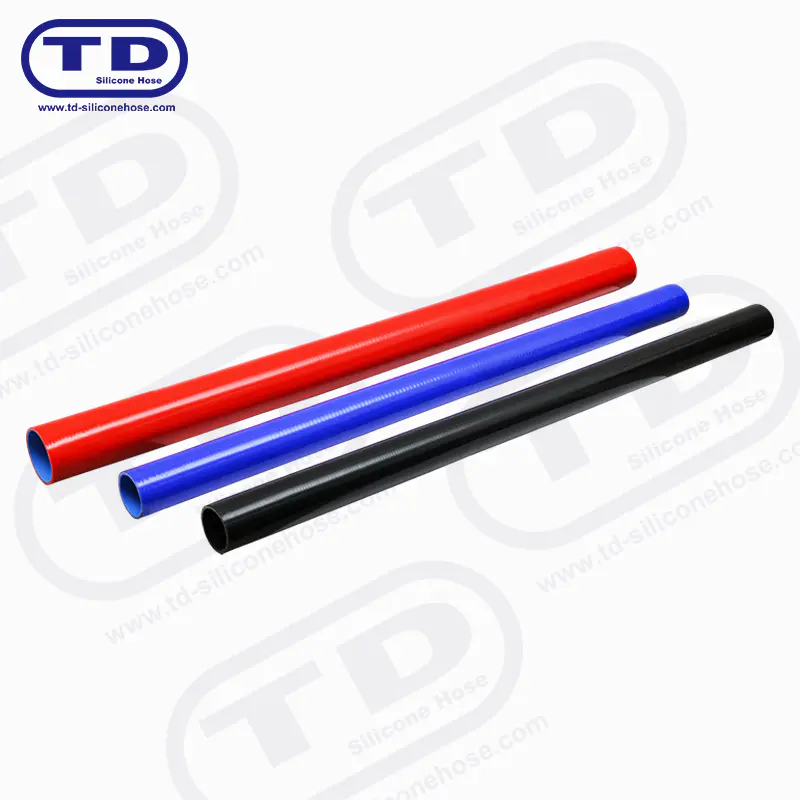
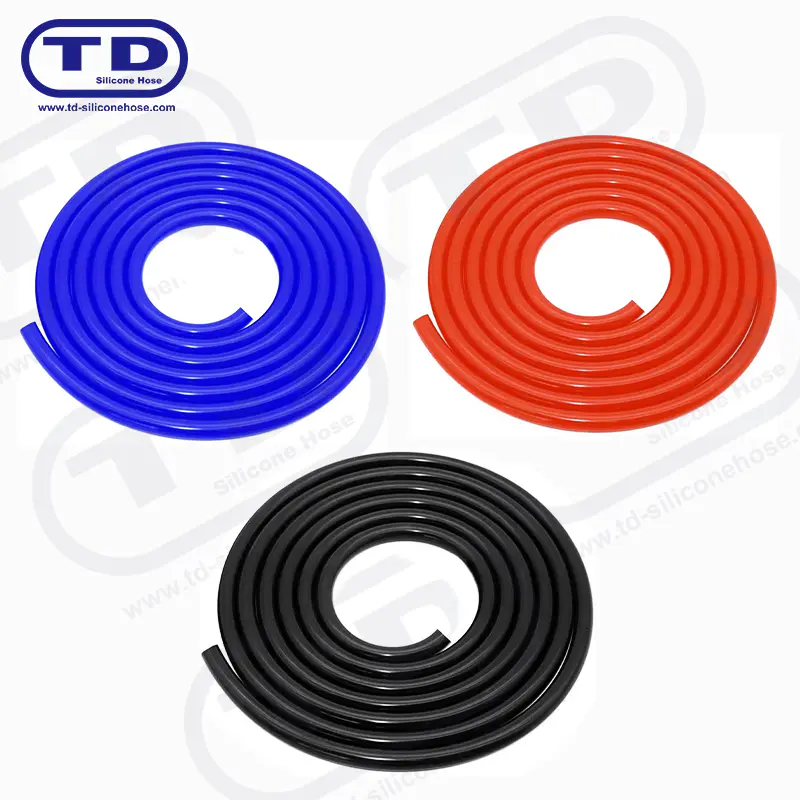
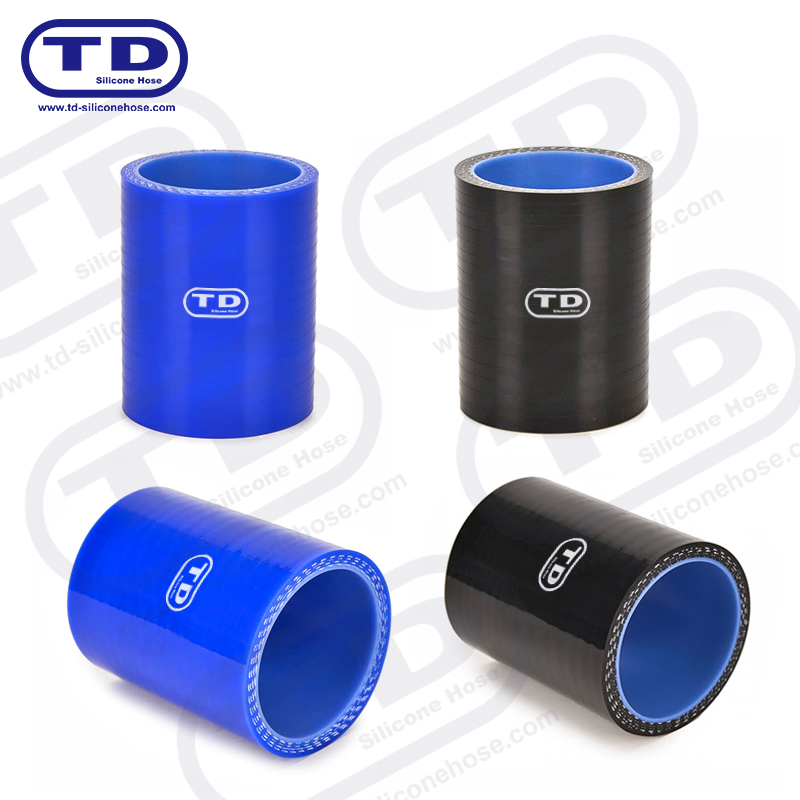
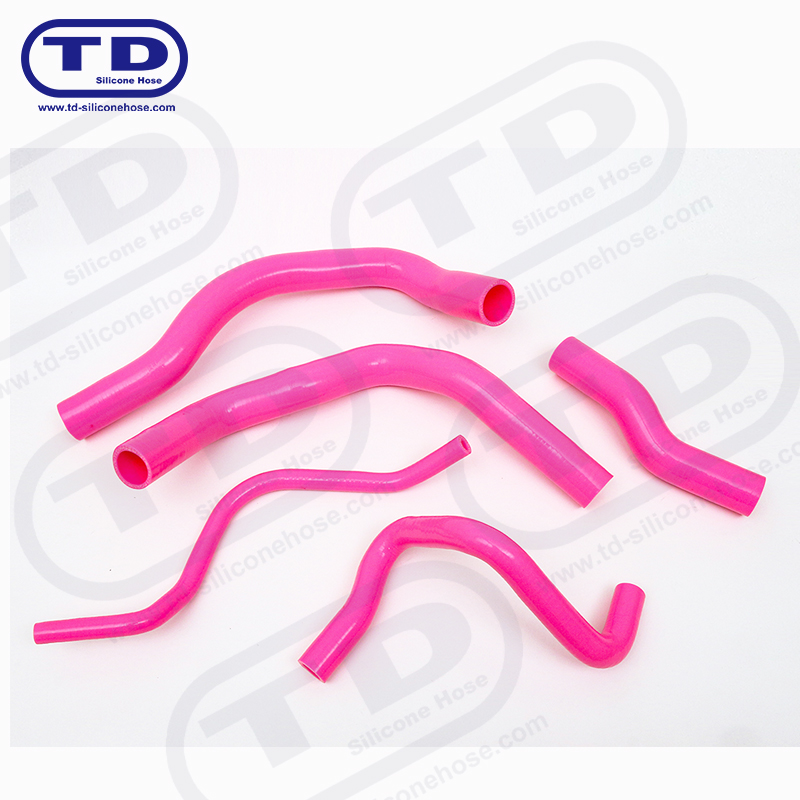 Reinforced Silicone Radiator Hoses for Reliable CoolingThis series offers durable silicone radiator hoses in multiple shapes and sizes, built to handle high temperatures and pressure. Ideal for replacing aging rubber hoses on many vehicle brands.View Product →
If the original hoses on your car are older than five years, show visible surface cracks, or feel hard when you squeeze them, upgrading to silicone is a straightforward way to restore reliable cabin heat and peace of mind.
How to Check Heater Core Hose Temperature Safely
Checking the actual temperature of your heater core hoses is simple and takes about a minute. Start with the engine fully warm and the heater set to maximum output. Use an infrared thermometer aimed at the hose surface near the heater core inlet and outlet. In normal conditions, you should see readings within the ranges listed in the table above. A difference of more than 20°F (11°C) between the two hoses suggests a flow restriction inside the core or a kinked hose.
You can also perform a simple squeeze test once the engine is cool. Firm, yet slightly pliable hoses are healthy. A hose that feels mushy on one spot has internal delamination, and one that feels like plastic has lost its flexibility due to heat damage. Both conditions call for replacement before they fail completely. If the hoses themselves are healthy but the engine still runs hot, trace the rest of the cooling system, including the radiator cap and electric fans.
When replacement is needed, choose hoses with the correct inner diameter and bend radius for your vehicle. A silicone hose kit designed for heater and radiator applications provides all the necessary lengths and bends in one package, eliminating the guesswork. For DIY owners, learning how to install automotive silicone hoses properly is just as important as choosing the right material, because an over-tightened clamp or misaligned connection can ruin an otherwise new system.
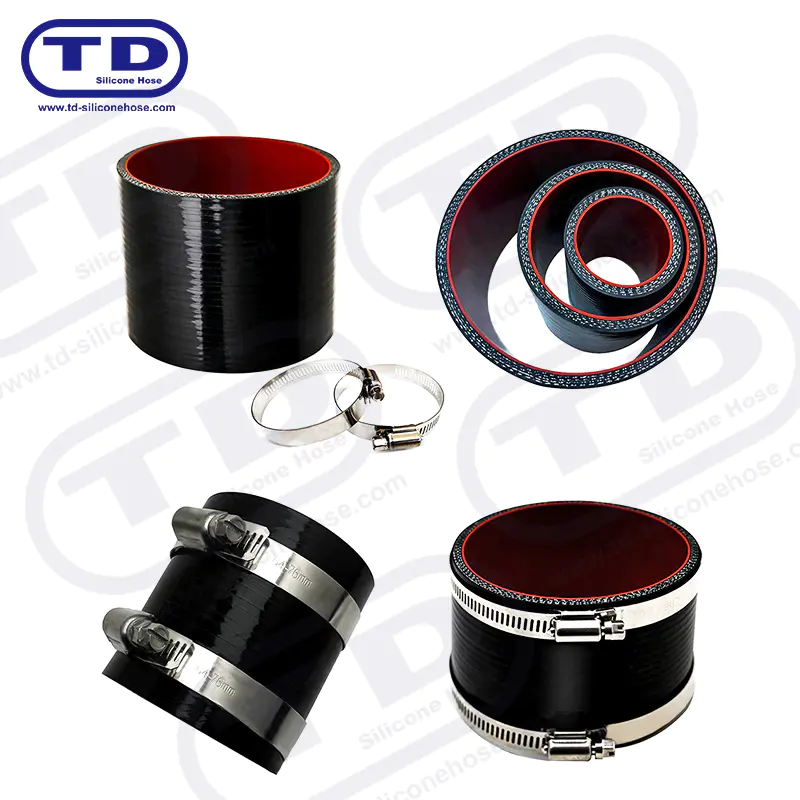
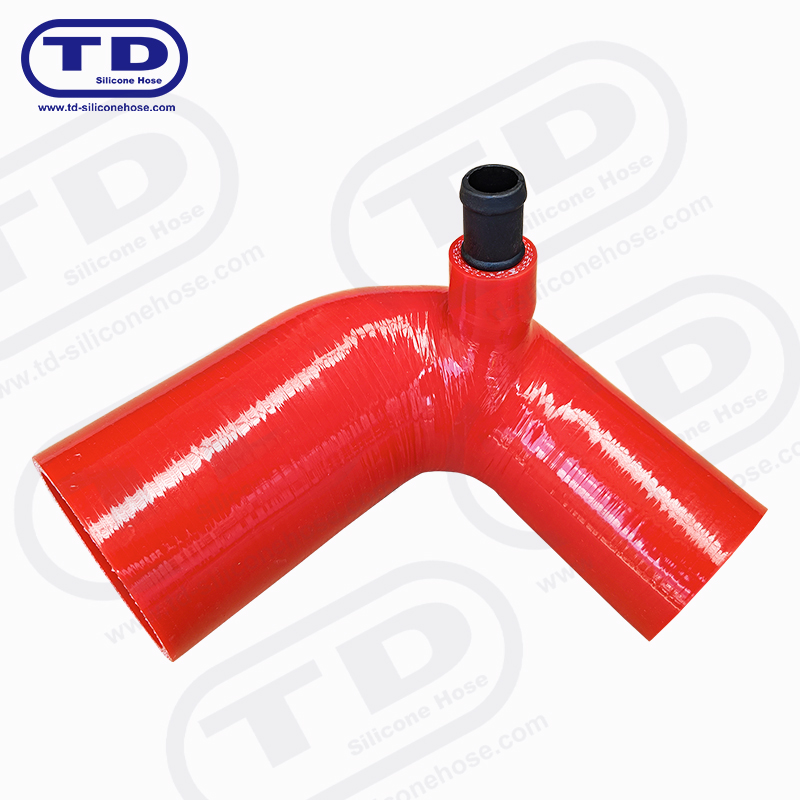 Complete Silicone Hose Kits for Heater and Radiator SystemsThis category provides integrated silicone hose kits with various fittings and clamps, simplifying replacement. They ensure correct fit and durability for cooling and heater circuits.View Product →
Knowing how hot heater core hoses should be comes down to one simple principle: they should follow the engine's normal operating temperature and stay within the 180°F to 230°F (82°C to 110°C) range after warm-up. If your hoses run much hotter than the coolant itself, feel inconsistent between inlet and outlet, or show visible signs of heat distress, do not wait for a roadside failure. Address the root cause, replace the hoses with quality silicone, and the heater system will reward you with many trouble-free seasons of comfortable driving.
Our Product //
Ningbo Tiandai Auto Parts Co., Ltd. All Rights Reserved. ALL RESERVED.
Wholesale Automotive Silicone Hose Manufacturers
