

 English
 中文简体
中文简体 русский
 Español
 عربى
عربى
Submit feedback
Universal Silicone Hose Gains Popularity in Automotive and Industrial Cooling Systems
Industry news-Content
- 1 Growing Use in Automotive Cooling Systems
- 2 Expanding Applications in Industrial Environments
- 3 Material Advantages That Support Long-Term Performance
- 4 Supporting Customization and Universal Fit
- 5 Meeting Safety and Quality Expectations
- 6 Cost Considerations Over the Product Lifecycle
- 7 Market Outlook and Future Development
In recent years, the demand for reliable and durable fluid transfer components has continued to grow across automotive and industrial sectors. Among these components, the Universal Silicone Hose has gradually become a preferred choice for engineers, manufacturers, and maintenance teams. Thanks to its stable performance, flexibility, and long service life, the Universal Silicone Hose is now widely used in cooling systems, air intake systems, and various fluid transport applications.
As equipment becomes more advanced and operating conditions become more demanding, traditional rubber hoses are no longer able to meet all requirements. This shift has created new opportunities for silicone-based solutions that offer improved resistance to heat, pressure, and environmental stress. Today, the Universal Silicone Hose plays an increasingly important role in ensuring system safety and operational efficiency.
Growing Use in Automotive Cooling Systems
Automotive engines generate significant heat during daily operation. A reliable cooling system is necessary to maintain proper temperature and protect engine components. Hoses used in these systems must withstand high temperatures, pressure fluctuations, and exposure to coolant fluids over long periods.
The Universal Silicone Hose has proven to be well suited for these conditions. Compared with conventional rubber hoses, silicone hoses maintain their flexibility even when exposed to elevated temperatures. They are less likely to crack, harden, or degrade over time. This helps reduce the risk of leakage and unexpected downtime.
Many vehicle manufacturers and aftermarket suppliers are now integrating Universal Silicone Hose products into radiator connections, heater lines, turbocharger systems, and intercooler piping. The consistent performance of silicone materials supports stable coolant flow and helps maintain engine efficiency.
In addition, the smooth inner surface of a Universal Silicone Hose can improve fluid movement, reducing resistance and supporting better heat exchange. For drivers and fleet operators, this can contribute to lower maintenance frequency and more reliable performance.
Expanding Applications in Industrial Environments
Beyond automotive use, the Universal Silicone Hose is also becoming common in industrial cooling and processing systems. Factories, workshops, and production facilities often operate equipment that generates heat or transfers fluids under pressure. These systems require hoses that can perform steadily during continuous operation.
Industrial environments may also involve exposure to oils, chemicals, moisture, or varying weather conditions. Traditional hoses can deteriorate when subjected to these factors. Silicone materials, however, offer stronger resistance to aging and environmental stress.
As a result, many industrial users choose Universal Silicone Hose products for cooling lines, air ducts, ventilation systems, and liquid transfer applications. Their flexibility allows easier installation in tight or complex layouts, which is especially useful in modern machinery where space is limited.
Maintenance teams also appreciate the longer service life of silicone hoses. Fewer replacements mean lower labor costs and less production interruption. Over time, this can support more efficient facility management.
Material Advantages That Support Long-Term Performance
The growing popularity of the Universal Silicone Hose is closely related to the properties of silicone rubber itself. This material is known for its stability across a wide temperature range. It can perform in both hot and cold environments without losing flexibility.
Key benefits include:
-
Good heat resistance
-
Reliable flexibility
-
Resistance to cracking and aging
-
Stable performance under pressure
-
Low maintenance needs
These features help extend the working life of the hose and improve overall system reliability. For businesses that depend on consistent operations, this reliability is an important factor when selecting components.
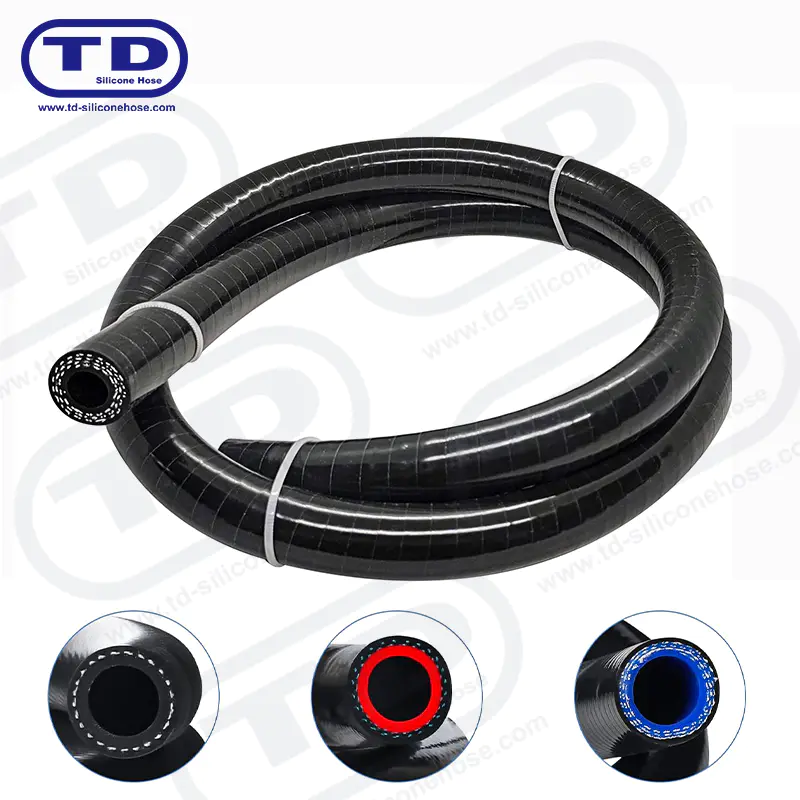
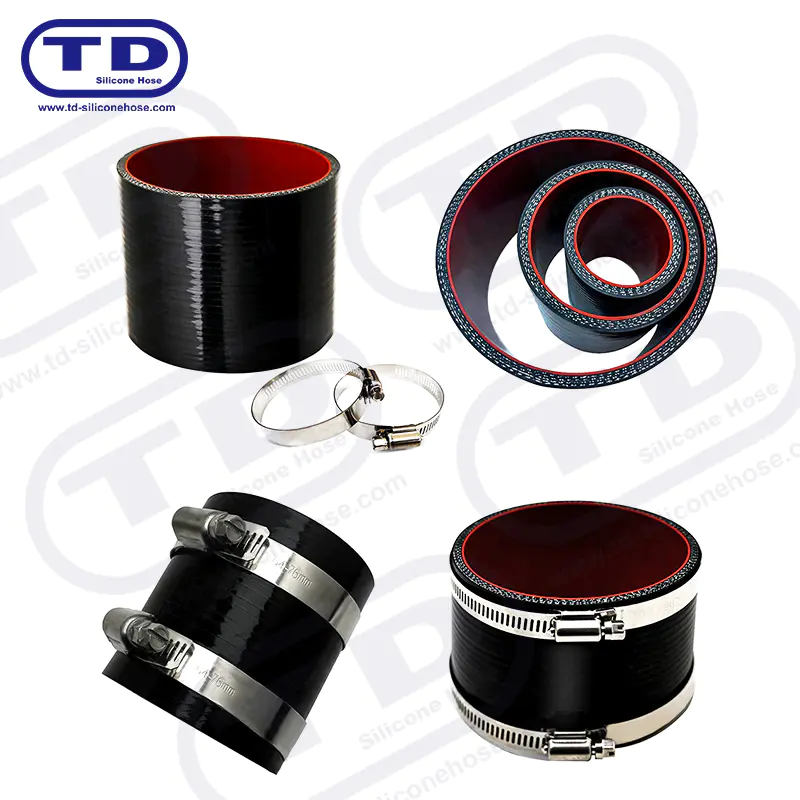
Another advantage is that many Universal Silicone Hose products are reinforced with polyester or fabric layers. These reinforcements increase strength while maintaining flexibility. This combination allows the hose to handle demanding applications without becoming stiff or difficult to install.
Supporting Customization and Universal Fit
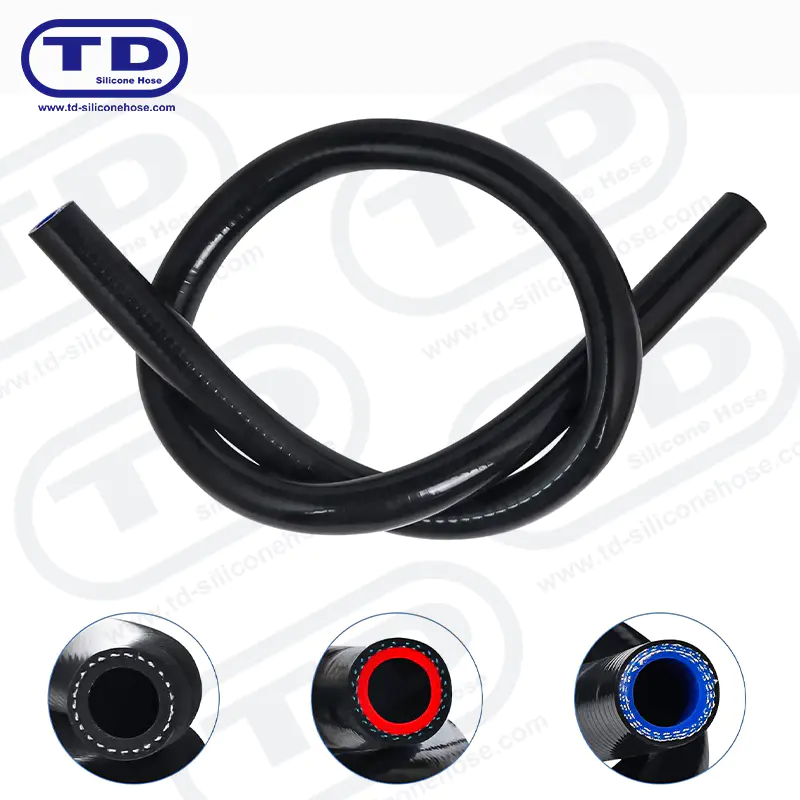
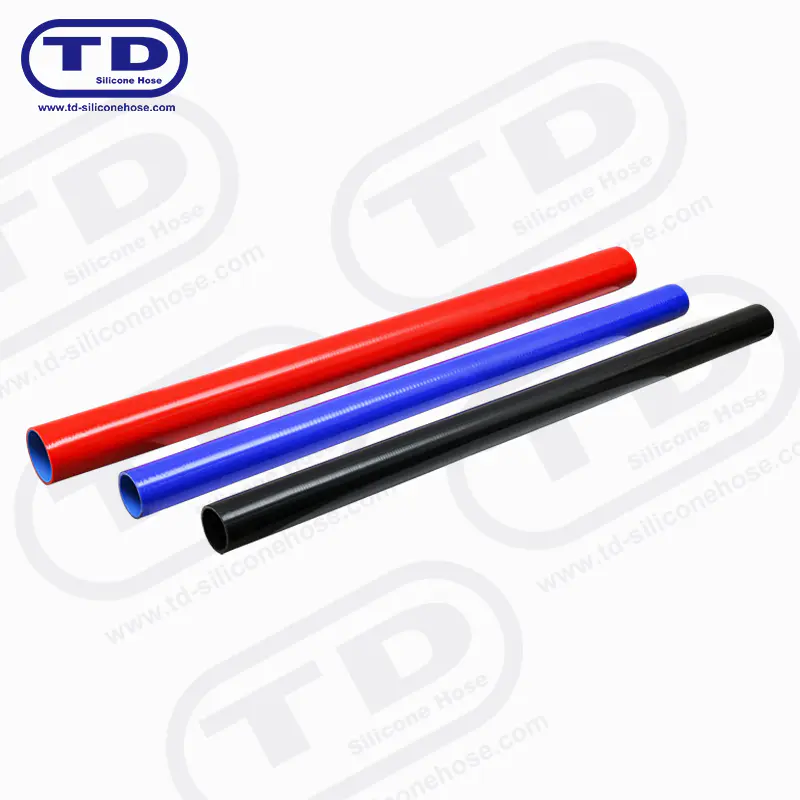
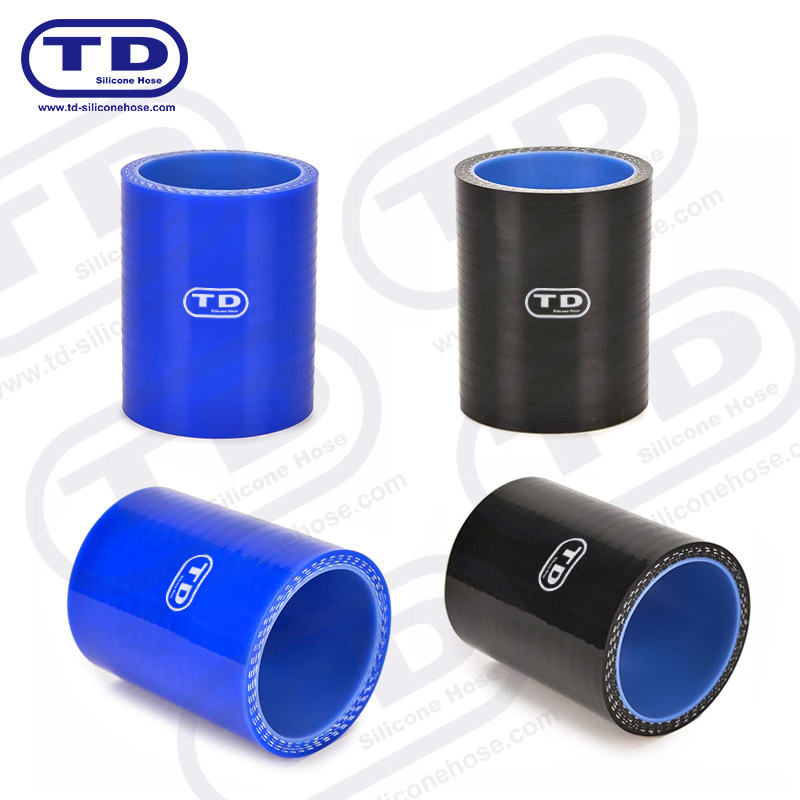
One reason the Universal Silicone Hose has become popular across different industries is its versatility. Manufacturers offer a wide range of sizes, shapes, and connection options, including straight hoses, elbows, reducers, and custom-formed pieces.
This variety makes it easier for engineers to find a hose that fits specific system requirements. Instead of designing around limited hose choices, they can select a Universal Silicone Hose that matches their needs more closely.
For distributors and wholesalers, universal compatibility also simplifies inventory management. Stocking flexible, multi-purpose hose types helps serve customers in automotive, marine, agricultural, and industrial markets with fewer product lines.
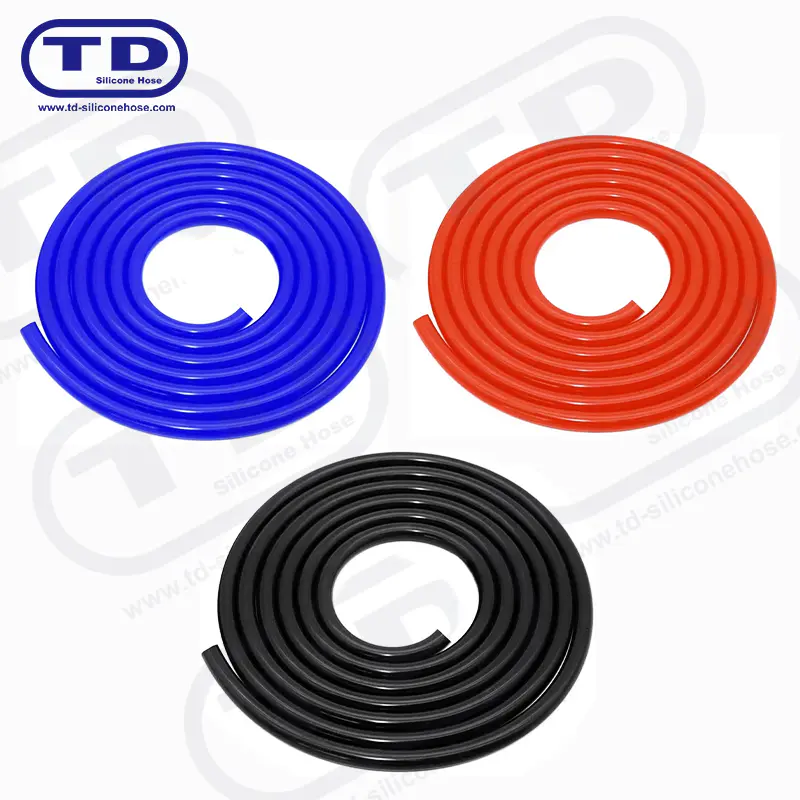
Customization options such as different colors, lengths, and wall thicknesses further support branding and functional requirements. For example, color-coded hoses can help identify fluid types or improve system organization.
Meeting Safety and Quality Expectations
Safety remains a priority in both vehicle and industrial applications. A damaged hose can lead to leaks, overheating, or equipment failure. Choosing dependable components reduces these risks.
The Universal Silicone Hose is often manufactured under strict quality control processes to ensure consistent wall thickness, strength, and sealing performance. Many products are tested for pressure resistance, temperature tolerance, and durability before reaching the market.
In addition, silicone materials do not easily release odors or harmful substances during normal use. This makes them suitable for environments where air quality and cleanliness are important.
As regulations and standards continue to evolve, reliable hose solutions help companies maintain compliance and protect their operations.
Cost Considerations Over the Product Lifecycle
At first glance, silicone hoses may appear more expensive than standard rubber alternatives. However, many buyers find that the total cost over the product lifecycle is lower.
Because a Universal Silicone Hose typically lasts longer and requires fewer replacements, maintenance expenses can be reduced. Equipment downtime caused by hose failure can also be minimized. When these factors are considered together, the investment often provides good value.
For fleet operators, industrial plants, and equipment manufacturers, improved durability translates into more predictable operating costs. This financial stability is one of the reasons silicone hoses continue to gain acceptance in the market.
Market Outlook and Future Development
The market for Universal Silicone Hose products is expected to continue expanding as industries seek dependable and efficient fluid transfer solutions. Growing vehicle production, modernization of industrial facilities, and increased attention to system reliability are all contributing factors.
Manufacturers are also working to refine materials and production techniques. Ongoing improvements aim to enhance strength, flexibility, and environmental performance while maintaining cost efficiency. These developments will likely create new opportunities for silicone hose applications in emerging technologies.
As businesses place greater emphasis on durability and long-term value, the role of the Universal Silicone Hose in cooling and fluid systems will remain significant.
Our Product //
Ningbo Tiandai Auto Parts Co., Ltd. All Rights Reserved. ALL RESERVED.
Wholesale Automotive Silicone Hose Manufacturers
