

 English
 中文简体
中文简体 русский
 Español
 عربى
عربى
Submit feedback
Universal Vehicle Silicone Hose: Complete Buyer's Guide
Industry news-Content
- 1 What Is a Universal Vehicle Silicone Hose?
- 2 Pure Silicone vs. Rubber: Why the Material Difference Matters
- 3 Key Specifications to Understand Before Buying
- 4 Which Vehicles Benefit Most from Universal Automotive Silicone Hoses
- 5 How to Identify a Genuine Pure Silicone Hose
- 6 Installation Guide for Universal Silicone Hoses
- 7 Universal Silicone Hose Color Options and What They Mean
- 8 Cost Breakdown: What to Expect When Upgrading
- 9 Common Mistakes to Avoid When Using Universal Silicone Hoses
A universal vehicle silicone hose is the most durable, heat-resistant, and versatile upgrade you can make to your vehicle's cooling, intake, or turbo system. Unlike OEM rubber hoses that degrade within 3–5 years, a quality auto silicone hose maintains structural integrity for over 10 years under continuous thermal stress. Whether you drive a turbocharged performance car, a heavy-duty truck, or a daily commuter, switching to a universal automotive pure silicone hose delivers measurable reliability and performance gains.
What Is a Universal Vehicle Silicone Hose?
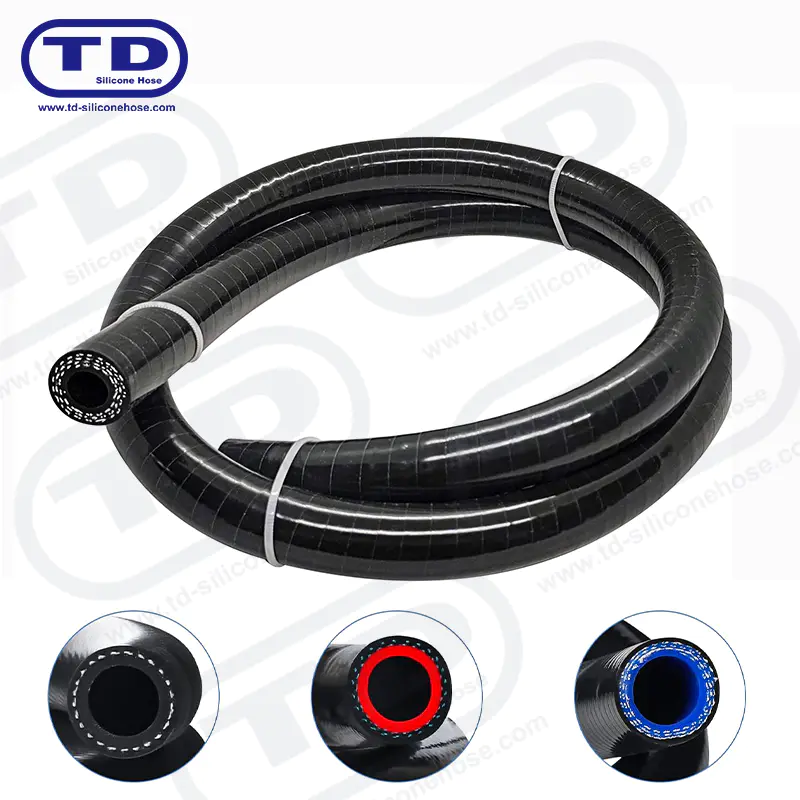
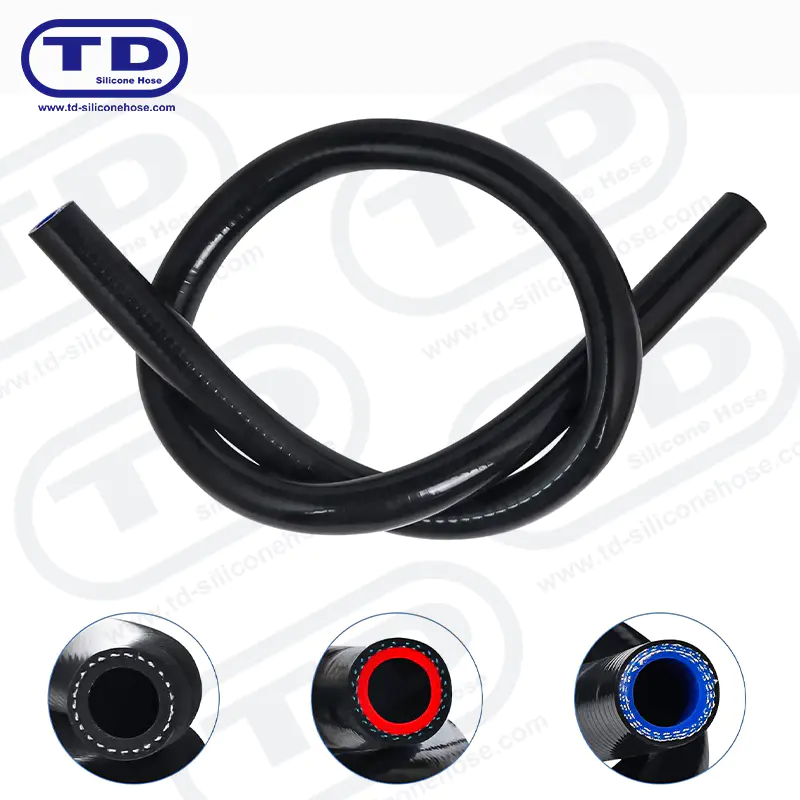
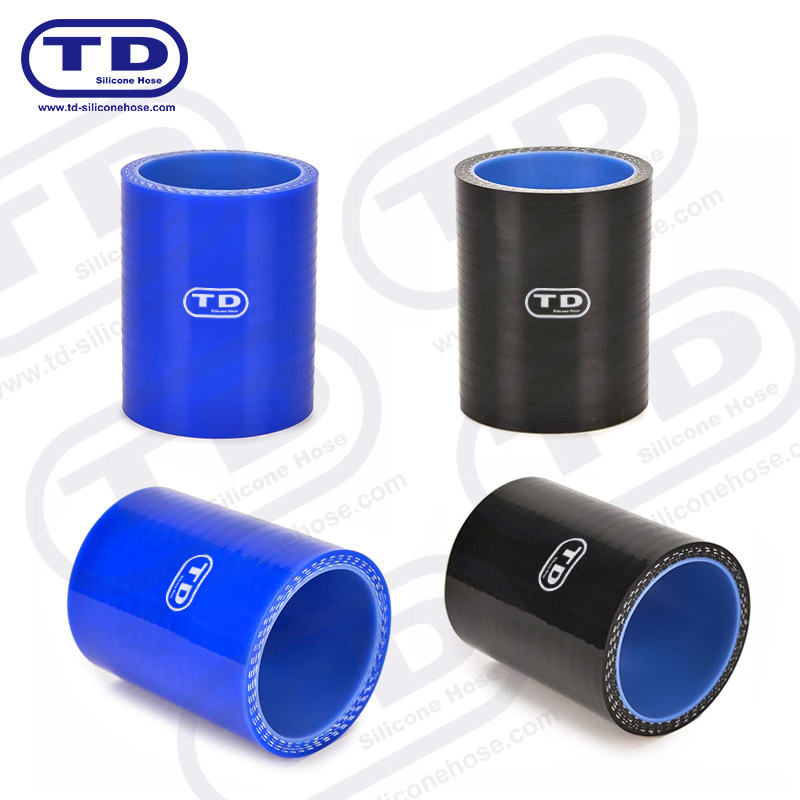
A universal vehicle silicone hose is a multi-layer reinforced hose made from 100% pure silicone polymer, designed to fit a wide range of vehicle makes and models without being application-specific. The term "universal" refers to its standardized diameter and length options that can be trimmed or adapted to suit different engine bays.
These hoses are typically constructed with 3 to 6 layers of silicone rubber interleaved with polyester or aramid fiber reinforcement braiding. This structure allows them to handle both internal pressure and external heat without collapsing, cracking, or swelling — the three primary failure modes of conventional rubber hoses.
Universal auto silicone hoses are used across a variety of systems including:
- Radiator and coolant lines
- Intercooler and turbocharger inlet/outlet pipes
- Air intake systems
- Heater hose connections
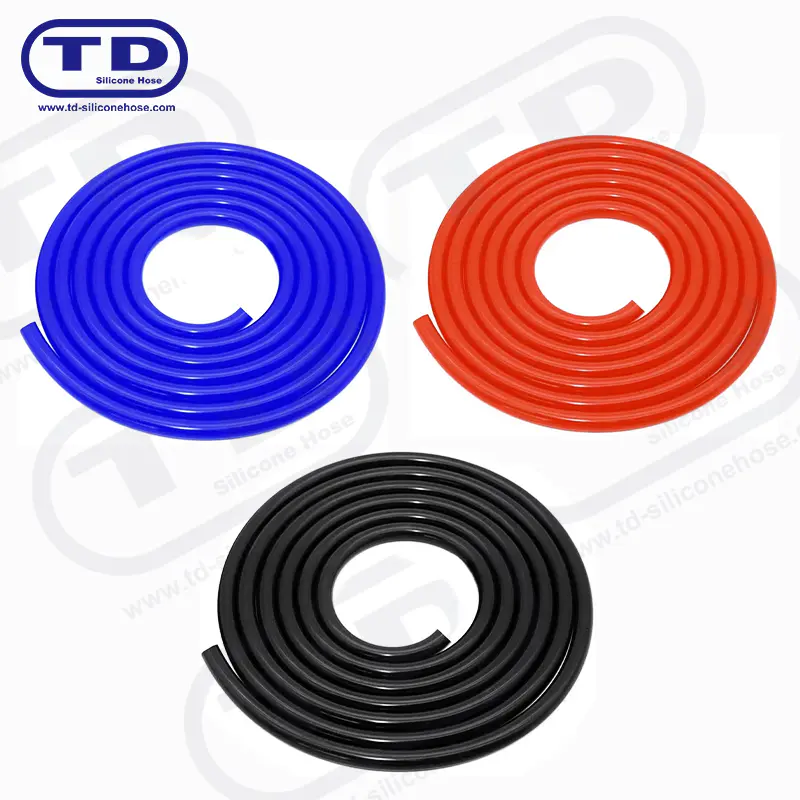
- Vacuum and breather lines
Pure Silicone vs. Rubber: Why the Material Difference Matters
The distinction between a universal automotive pure silicone hose and a standard rubber or EPDM hose is not cosmetic — it is chemical and structural. Here is a direct comparison:
| Property | Pure Silicone Hose | Standard Rubber Hose | EPDM Hose |
|---|---|---|---|
| Temperature Range | -65°C to +220°C | -40°C to +120°C | -50°C to +150°C |
| Burst Pressure | Up to 100+ PSI | 30–50 PSI | 40–70 PSI |
| Expected Lifespan | 10–15+ years | 3–5 years | 5–8 years |
| UV / Ozone Resistance | Excellent | Poor | Good |
| Flexibility at Low Temp | Remains flexible | Hardens / cracks | Moderate stiffness |
| Coolant Compatibility | All types | Limited | Most types |
The data shows that a pure silicone hose outperforms rubber alternatives across every critical metric. This is especially significant in turbocharged engines where underhood temperatures regularly exceed 150°C — beyond the safe operating range of most standard rubber hoses.
Key Specifications to Understand Before Buying
Shopping for a universal auto silicone hose requires understanding several technical specifications that directly affect fit and function.
Inner Diameter (ID)
This is the most critical measurement. Universal silicone hoses are available in ID sizes ranging from 8mm to 102mm (3/8" to 4"). Always measure the OD (outer diameter) of the pipe or fitting the hose will connect to — the hose ID should match this measurement precisely to ensure a leak-free seal under clamp pressure.
Wall Thickness
Standard wall thickness for automotive silicone hoses is 5mm to 6mm. Thicker walls offer higher burst pressure resistance but reduce flexibility. For most cooling and intake applications, 5mm is sufficient. Turbo boost applications benefit from 6mm+ walls.
Ply Count and Reinforcement
A 3-ply or 4-ply polyester-reinforced hose is the industry standard for most vehicle applications. Higher-performance applications (e.g., high-boost turbo systems above 20 PSI) should use 5-ply or aramid (Kevlar) reinforced variants, which can sustain burst pressures exceeding 150 PSI.
Hose Shape and Configuration
Universal silicone hoses come in multiple configurations to suit different routing needs:
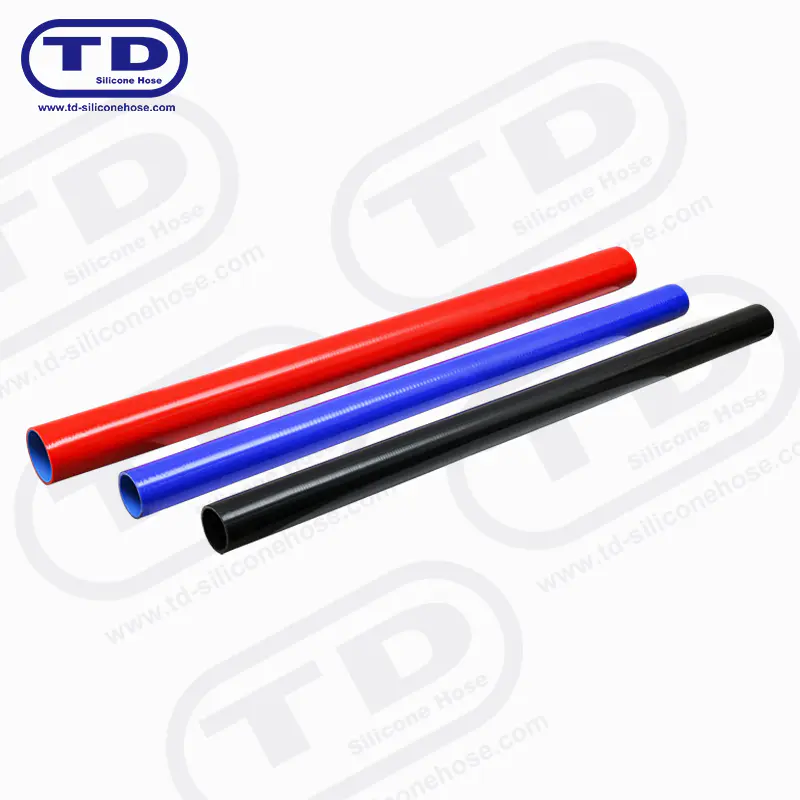
- Straight hose: Standard length sections, typically 1 meter, cut to size
- 45° elbow: For gentle directional changes in tight engine bays
- 90° elbow: The most common shape for radiator and intercooler connections
- 135° and 180° U-bends: For routing around obstructions or reversing flow direction
- Reducer hoses: Connect fittings of two different diameters; available in stepped or tapered styles
Which Vehicles Benefit Most from Universal Automotive Silicone Hoses
While any vehicle can benefit from upgrading to silicone hoses, certain applications see the greatest performance and reliability gains:
Turbocharged and Supercharged Vehicles
Forced induction systems generate sustained heat and pressure spikes that rubber hoses cannot reliably withstand. A universal automotive pure silicone hose rated to 220°C and 100+ PSI is essential for safe, consistent boost delivery. Even a small boost leak caused by a cracked rubber hose can reduce power output by 10–20% and trigger engine management fault codes.
Track and Performance Cars
Extended high-RPM driving pushes coolant temperatures higher and for longer durations than street driving. OEM hoses on vehicles used for track days should be replaced with silicone hoses preemptively — a coolant hose failure on track typically results in immediate engine shutdown and potential overheating damage.
High-Mileage Daily Drivers
For vehicles with over 100,000 miles, OEM rubber hoses are statistically entering their failure window. Proactive replacement with universal silicone hoses eliminates the risk of roadside coolant failures. The cost of a silicone hose set ($40–$120) is negligible compared to towing and repair fees following a preventable failure.
Off-Road and Commercial Vehicles
Trucks, SUVs, and fleet vehicles operating in extreme environments — dust, heat, vibration — benefit from silicone's superior resistance to ozone, UV, and abrasion. Commercial operators report significantly reduced maintenance intervals after switching to full silicone hose systems.
How to Identify a Genuine Pure Silicone Hose
The market is flooded with low-quality hoses labeled "silicone" that are actually silicone-coated rubber cores — a significantly inferior product. Here is how to verify authenticity:
- Burn test: Pure silicone produces a white ash residue when briefly exposed to flame and does not melt or drip. Rubber-core hoses char black and produce acrid smoke.
- Cut cross-section: A genuine multi-ply silicone hose reveals distinct alternating layers of silicone and fabric reinforcement when cut. A silicone-coated rubber hose will show a black rubber interior beneath a thin silicone outer layer.
- Flexibility test: Pure silicone remains highly flexible even at room temperature and springs back immediately. Rubber hoses feel stiffer and may retain a slight deformation after bending.
- Certifications: Look for hoses that reference compliance with SAE J20, ISO 4805, or similar automotive fluid handling standards. Reputable manufacturers publish test data for burst pressure, temperature ratings, and reinforcement specifications.
- Price threshold: A genuine 3-ply pure silicone hose in a 90° elbow configuration should cost at minimum $15–$30 USD. Products priced below $8 for similar configurations are almost certainly not pure silicone.
Installation Guide for Universal Silicone Hoses
Universal auto silicone hoses are designed for straightforward DIY installation. Follow these steps for a leak-free result:
Tools and Materials Required
- Sharp utility knife or hose cutter
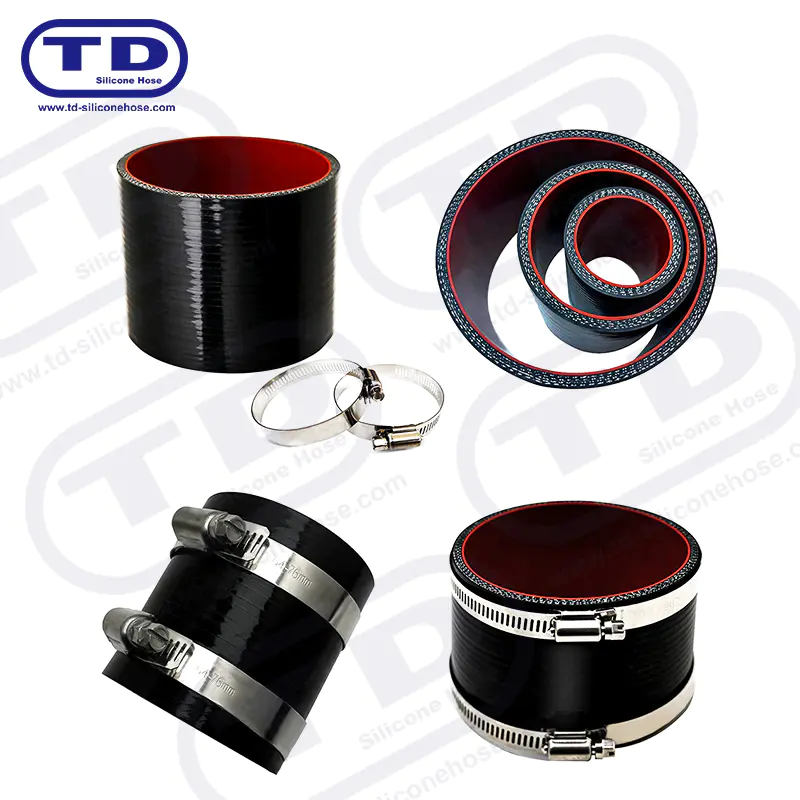
- Stainless steel worm-drive hose clamps (T-bolt clamps recommended for boost applications)
- Silicone-based lubricant or soapy water for fitting
- Calipers or measuring tape for accurate diameter confirmation
Step-by-Step Installation
- Drain the relevant system: For coolant hoses, drain the radiator. For intake/turbo hoses, ensure the engine is cool and all pressure is released.
- Remove the old hose: Loosen existing clamps and carefully twist-pull the old hose free. Clean the pipe ends to remove old sealant or corrosion.
- Cut the universal hose to length: Use a straight, clean cut perpendicular to the hose axis. A diagonal cut will prevent a proper seal under the clamp.
- Lubricate and fit: Apply a small amount of silicone lubricant to the pipe end and push the hose on with a slight twisting motion. Ensure the pipe end seats at least 25–30mm inside the hose.
- Position and tighten clamps: Place clamps 10–15mm from the hose end. Tighten to manufacturer spec — typically 3–5 Nm for worm clamps, 8–10 Nm for T-bolt clamps. Do not over-tighten, as this can cut into the silicone.
- Pressure test before full use: Refill the system, start the engine, and inspect all connections for leaks while bringing the system up to operating temperature.
Universal Silicone Hose Color Options and What They Mean
Auto silicone hoses are available in a wide range of colors. While color does not affect performance in a pure silicone hose, it can serve practical purposes:
| Color | Typical Use | Notes |
|---|---|---|
| Blue | Cold side intercooler / intake | Most popular color for performance builds |
| Red | Hot side / high-temp applications | Commonly used for turbocharged hot side pipes |
| Black | OEM replacement / stealth builds | Blends in with factory engine appearance |
| Yellow / Orange | Show cars / custom engine builds | High visibility for engine bay aesthetics |
| Green | Coolant systems | Traditionally associated with antifreeze systems |
Be cautious of extremely cheap colored hoses — some manufacturers achieve bright colors using low-grade pigments in silicone-rubber blends rather than pure silicone. Color consistency throughout the wall thickness (visible in a cross-section cut) is one indicator of pure silicone construction.
Cost Breakdown: What to Expect When Upgrading
The cost of upgrading to universal automotive pure silicone hoses varies by application and vehicle type. Here is a realistic cost guide:
- Single replacement hose (straight or elbow): $12–$45 depending on diameter and ply count
- Full radiator hose set (upper + lower): $40–$120 for most passenger vehicles
- Turbo inlet/outlet hose kit: $60–$200 for performance cars
- Complete engine bay hose overhaul: $150–$400 for full silicone replacement including minor vacuum lines
- Professional installation labor: $80–$200 depending on complexity and shop rates
Given that a single coolant hose failure can cause engine overheating damage costing $1,500–$8,000 to repair, the investment in a quality universal silicone hose set represents exceptional risk-adjusted value — particularly for vehicles approaching or exceeding 100,000 miles.
Common Mistakes to Avoid When Using Universal Silicone Hoses
Even high-quality auto silicone hoses can underperform or fail early if installed or used incorrectly. Avoid these common errors:
- Using incorrect clamp type: Spring clamps are not suitable for silicone hoses — the material's slight compressibility requires worm-drive or T-bolt clamps that maintain consistent clamping force.
- Under-seating the hose: Pushing the hose only 10mm onto a fitting instead of the recommended 25–30mm dramatically increases the risk of blowoff under boost or pressure spikes.
- Using petroleum-based lubricants: These degrade silicone over time. Always use silicone-based lube or plain soapy water during installation.
- Purchasing based on price alone: A universal hose listed at $4–$7 is almost certainly not pure silicone. The raw material cost of pure silicone alone exceeds this price point for any hose of useful size.
- Ignoring ID tolerance: A hose that is 2mm too large in ID will not seal reliably under pressure without additional clamping force, and may still leak at joints under thermal cycling.
Our Product //
Ningbo Tiandai Auto Parts Co., Ltd. All Rights Reserved. ALL RESERVED.
Wholesale Automotive Silicone Hose Manufacturers
