

 English
 中文简体
中文简体 русский
 Español
 عربى
عربى
Submit feedback
Why Silicone Elbow Reducer Hoses Are Essential for Industrial Applications
Industry news-In the world of industrial applications, the demand for high-performance components that can withstand extreme conditions and facilitate efficient operation is critical. One such component that plays a vital role in ensuring smooth operations across various industries is the silicone elbow reducer hose. While often overlooked, these hoses are indispensable in many industrial systems, offering a range of benefits that make them the preferred choice in fluid and air transportation.
From manufacturing plants to automotive systems, silicone elbow reducer hoses are used in a variety of industrial applications where efficiency, durability, and reliability are paramount.
What is a Silicone Elbow Reducer Hose?
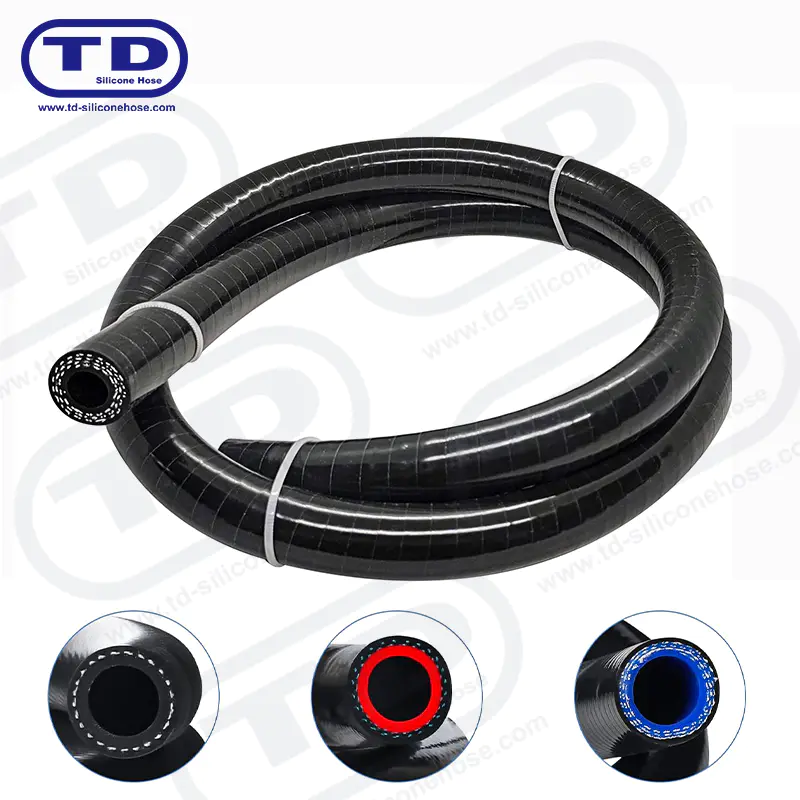
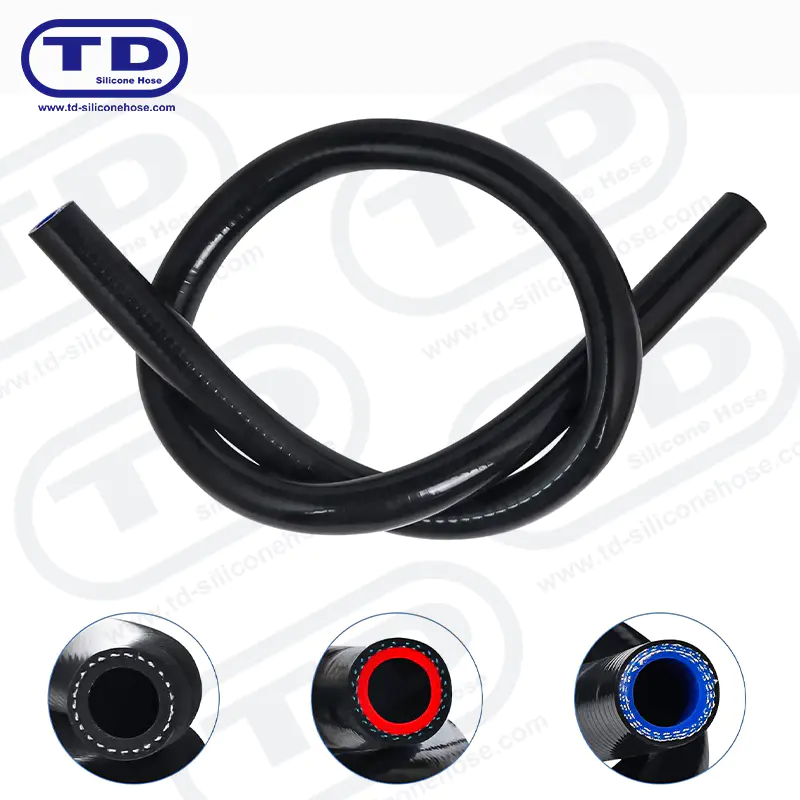
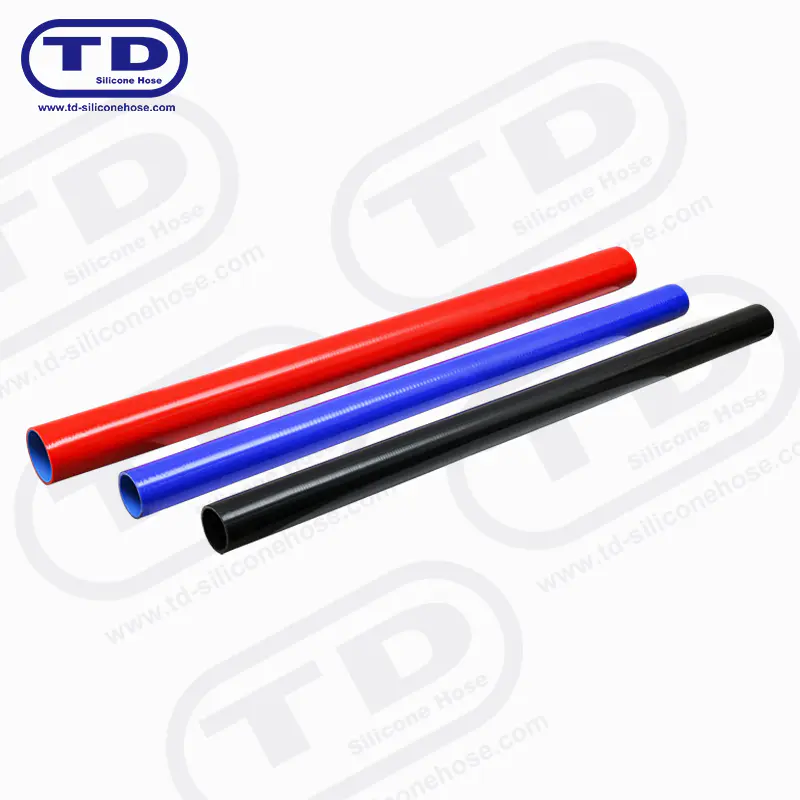
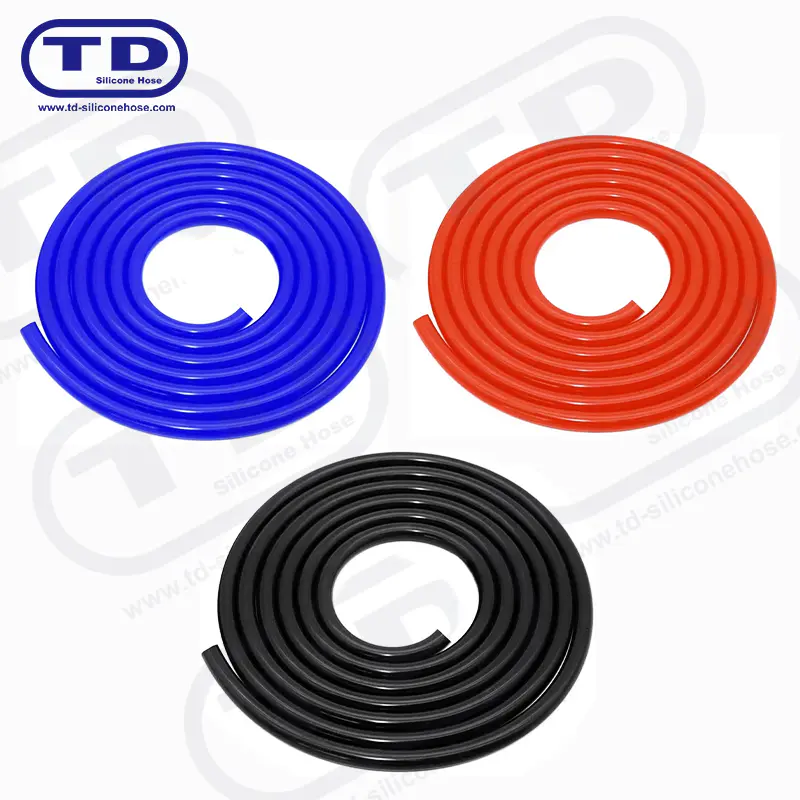
A silicone elbow reducer hose is a flexible, durable, and versatile hose that features a bend (elbow) and reduces from a larger diameter to a smaller one, making it ideal for connecting two pipes of different sizes. Typically made from high-quality silicone rubber, these hoses are designed to withstand high temperatures, resist harsh chemicals, and endure mechanical stress, making them perfect for industrial environments.
The "elbow" feature of the hose allows for easy redirection of fluid or air in systems where space is limited or where a straight hose would not be practical. The "reducer" aspect of the hose ensures smooth transitions between pipe diameters, reducing the risk of pressure loss or flow restrictions. Silicone, known for its exceptional thermal stability and flexibility, makes these hoses an excellent choice for demanding industrial applications.
Key Advantages of Silicone Elbow Reducer Hoses
Silicone elbow reducer hoses offer numerous advantages over other types of hoses, especially in industrial settings. Let’s take a closer look at why they are essential for so many industrial applications:
High Temperature Resistance
Industrial environments often involve extreme temperatures, whether in manufacturing processes, automotive systems, or power generation. Silicone rubber is known for its exceptional heat resistance, withstanding temperatures ranging from -50°C to 230°C (-58°F to 446°F), and in some cases even higher. This makes silicone elbow reducer hoses ideal for applications involving hot gases, steam, or fluids that would otherwise degrade or damage traditional rubber or plastic hoses.
Whether it's used in engines, exhaust systems, or HVAC systems, the high-temperature tolerance of silicone ensures that the hoses remain intact and maintain their performance, even in the harshest environments.
Chemical and Fluid Resistance
Industrial processes often involve exposure to various chemicals, oils, solvents, and other harsh substances that can degrade conventional hoses. Silicone rubber has excellent chemical resistance, making silicone elbow reducer hoses suitable for transporting a wide range of fluids without the risk of corrosion or deterioration.
These hoses are particularly beneficial in industries such as food and beverage production, pharmaceuticals, chemical processing, and automotive, where fluids or gases need to be safely conveyed without the risk of contamination or hose degradation. The resistance to oils, acids, alkalis, and solvents ensures the hoses can handle the diverse demands of industrial applications.
Flexibility and Ease of Installation
In industrial setups, the ability to adapt to varying spaces and configurations is essential. Silicone elbow reducer hoses are highly flexible, allowing them to fit into tight or awkward spaces where rigid pipes or traditional hoses may not be feasible. Their flexibility also makes them easier to install and maneuver during maintenance or system modifications.
The elbow design of these hoses enables them to navigate around obstacles and make sharp turns without compromising the flow of the fluid or air. This flexibility reduces the need for complex piping systems, thus lowering installation costs and time. Additionally, the flexibility of silicone hoses helps to absorb vibrations and reduce the likelihood of system failures caused by stress or movement.
Durability and Longevity
Industrial applications demand parts that are reliable and long-lasting. Silicone elbow reducer hoses are designed to be durable and withstand the rigors of continuous use in demanding environments. These hoses are resistant to cracking, abrasion, and wear, even after prolonged exposure to mechanical stress or environmental factors like UV radiation and ozone.
Compared to traditional rubber or plastic hoses, silicone rubber is less prone to degradation over time. This makes silicone elbow reducer hoses an excellent investment, reducing the frequency of replacements and minimizing downtime. Their long lifespan makes them an ideal solution for industries that rely on continuous operation, such as manufacturing, automotive, and power generation.
Low Pressure Drop and Smooth Flow
The design of silicone elbow reducer hoses ensures that there is minimal pressure drop when transitioning between pipe diameters. This is particularly important in applications where maintaining consistent flow and pressure is critical for the efficiency and safety of the system. By providing a smooth transition from a larger to a smaller diameter, silicone elbow reducer hoses help to reduce flow restrictions and prevent turbulence that could otherwise impair system performance.
The smooth interior surface of silicone hoses further aids in reducing the frictional resistance of the fluid or air passing through. This helps to maintain optimal flow rates and ensures that the system operates efficiently, preventing energy loss or pressure build-up that could lead to mechanical failure.
Versatility Across Applications
Silicone elbow reducer hoses are used in a variety of industrial applications, from automotive to manufacturing, and from HVAC systems to pharmaceuticals. Their versatility stems from their ability to handle a wide range of fluids, temperatures, and pressures.
Some common applications include:
-
Automotive and engine systems: For air intake, turbocharging, and exhaust systems.
-
Food and beverage production: For conveying fluids and ingredients in manufacturing processes.
-
Pharmaceuticals: For transferring sterile or sensitive fluids without contamination.
-
HVAC systems: For air and fluid transfer in heating, ventilation, and air conditioning applications.
-
Chemical processing: For safely transporting chemicals in industrial environments.
No matter the industry, silicone elbow reducer hoses can be tailored to meet specific needs, offering both reliability and flexibility.
Environmental Resistance
Silicone rubber is naturally resistant to environmental factors such as UV radiation, ozone, and weathering. This makes silicone elbow reducer hoses especially useful in outdoor or exposed applications where other materials might degrade due to prolonged exposure to sunlight, ozone, or fluctuating weather conditions.
The ability to maintain structural integrity and flexibility in the face of UV rays and environmental factors ensures that silicone elbow reducer hoses remain effective and safe to use in all types of industrial settings, even those outdoors or in harsh weather conditions.
Non-Toxic and Safe for Sensitive Applications
Silicone rubber is a non-toxic material, which makes silicone elbow reducer hoses a safe choice for industries that require stringent health and safety standards, such as the food and beverage and pharmaceutical industries. The non-reactive nature of silicone ensures that it will not leach harmful chemicals into the fluid or air it is transporting, making it ideal for systems that deal with sensitive materials.
Our Product //
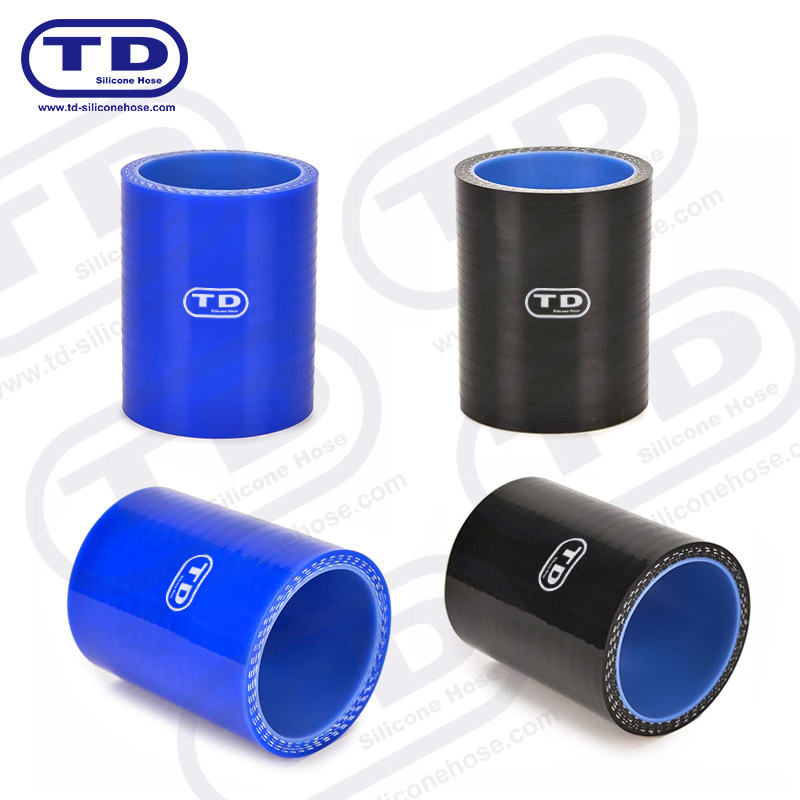
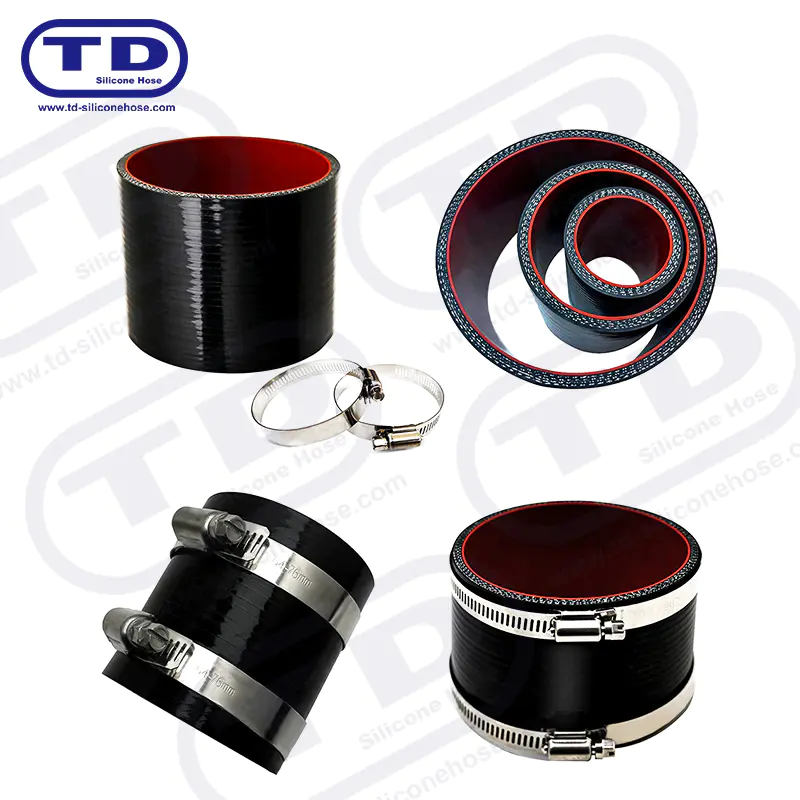
Ningbo Tiandai Auto Parts Co., Ltd. All Rights Reserved. ALL RESERVED.
Wholesale Automotive Silicone Hose Manufacturers
