

 English
 中文简体
中文简体 русский
 Español
 عربى
عربى
Submit feedback
Auto Silicone Hose vs. Rubber: Understanding the Performance Difference
Industry news-Content
- 1 What Is an Auto Silicone Hose
- 2 Silicone Hose vs Rubber Hose: Key Differences
- 3 Common Types of Auto Silicone Hoses
- 4 Understanding Ply Count and Wall Construction
- 5 How to Choose the Correct Hose Size and Shape
- 6 Installation Best Practices
- 7 Color Options and Vehicle Compatibility
- 8 Signs Your Hose Needs Replacement
What Is an Auto Silicone Hose
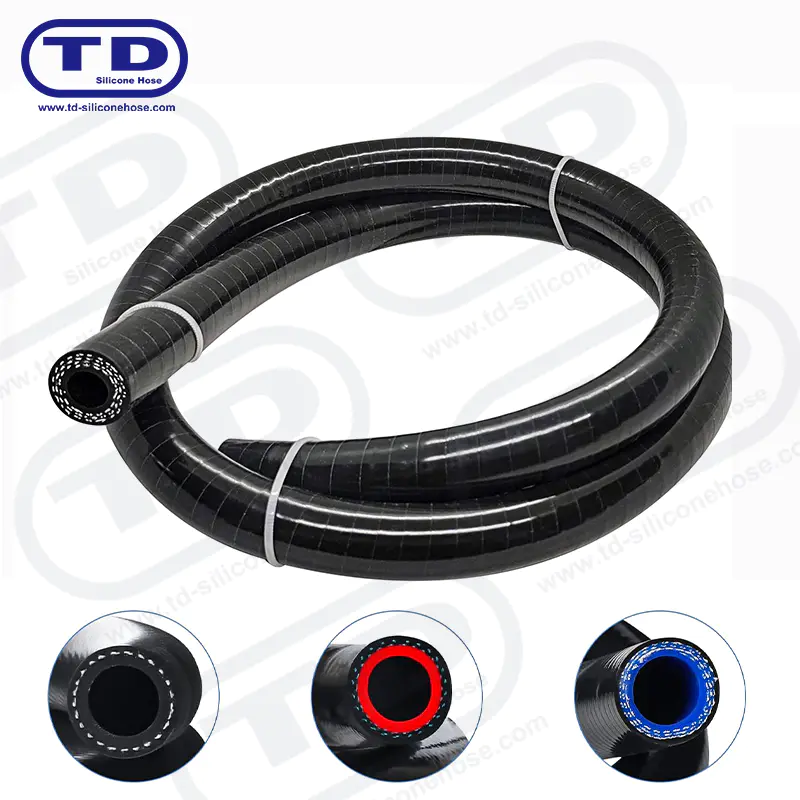
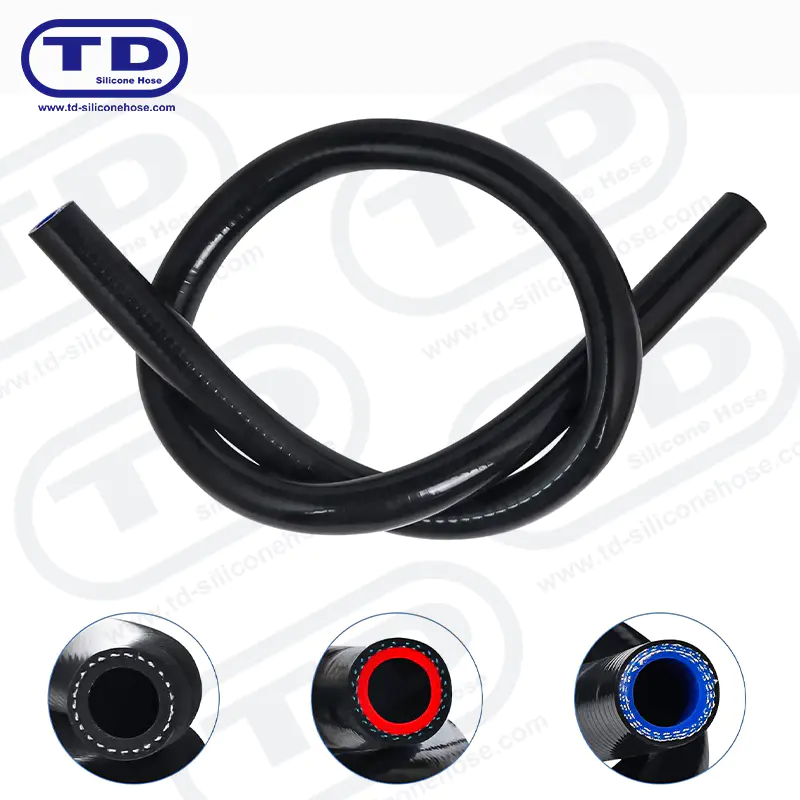
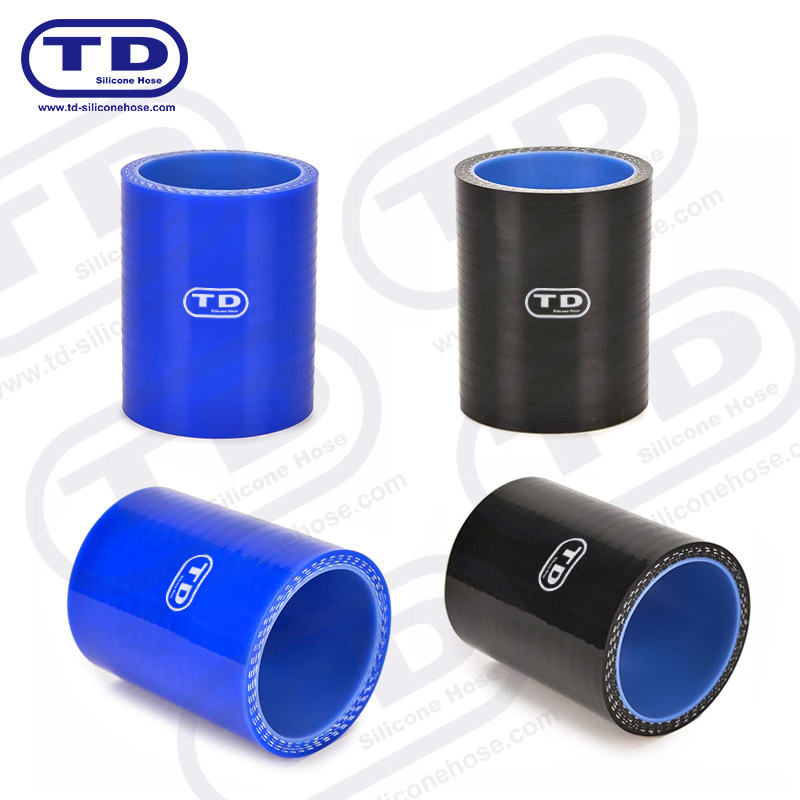
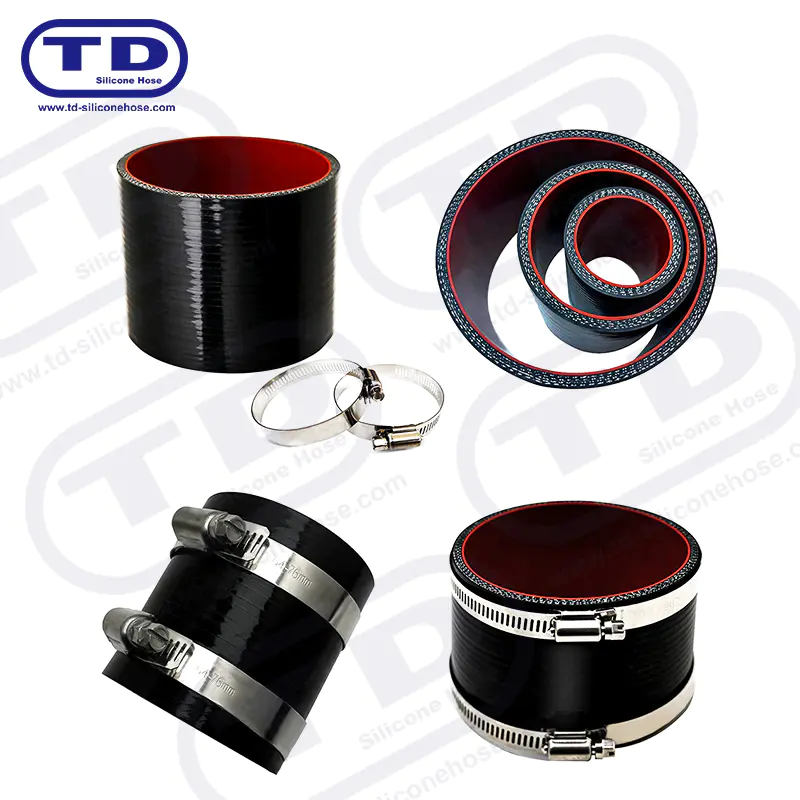
An auto silicone hose is a reinforced flexible tube made from silicone rubber, used to carry coolant, air, or boost pressure between engine components such as the radiator, intercooler, and turbocharger. Unlike standard rubber hoses, it is built with internal fabric reinforcement layers (called plies) sandwiched between silicone walls, which allows it to handle far higher temperatures and pressures without cracking or collapsing.
Silicone hoses typically withstand continuous temperatures of 350°F (177°C), compared to roughly 250°F (121°C) for standard EPDM rubber hoses, and they resist ozone, UV exposure, and engine oil far better over time. This makes them the standard upgrade choice for turbocharged, supercharged, and high-performance engine builds.
Silicone Hose vs Rubber Hose: Key Differences
The performance gap between silicone and rubber hoses comes down to material chemistry and construction. The table below summarizes the practical differences that matter most to vehicle owners.
| Property | Silicone Hose | Standard Rubber Hose |
|---|---|---|
| Max Continuous Temp. | 350°F (177°C) | 250°F (121°C) |
| Typical Service Life | 10–15 years | 4–7 years |
| UV / Ozone Resistance | Excellent | Moderate, degrades over time |
| Burst Pressure (typical) | 60–150+ PSI depending on ply count | 30–60 PSI |
| Price per Hose | $15–$80 | $5–$25 |
Common Types of Auto Silicone Hoses
Silicone hoses are manufactured in shapes designed to fit specific engine bay routing, not just straight runs. Choosing the correct shape avoids tight bends that restrict flow or stress the hose wall.
- Coolant hoses — connect the radiator, water pump, and engine block; rated for constant exposure to coolant and engine heat.
- Intercooler / boost hoses — route compressed air between the turbocharger and intercooler, built with thicker walls to resist boost pressure.
- Intake hoses — link the air filter to the throttle body, typically lighter-duty since they carry unpressurized intake air.
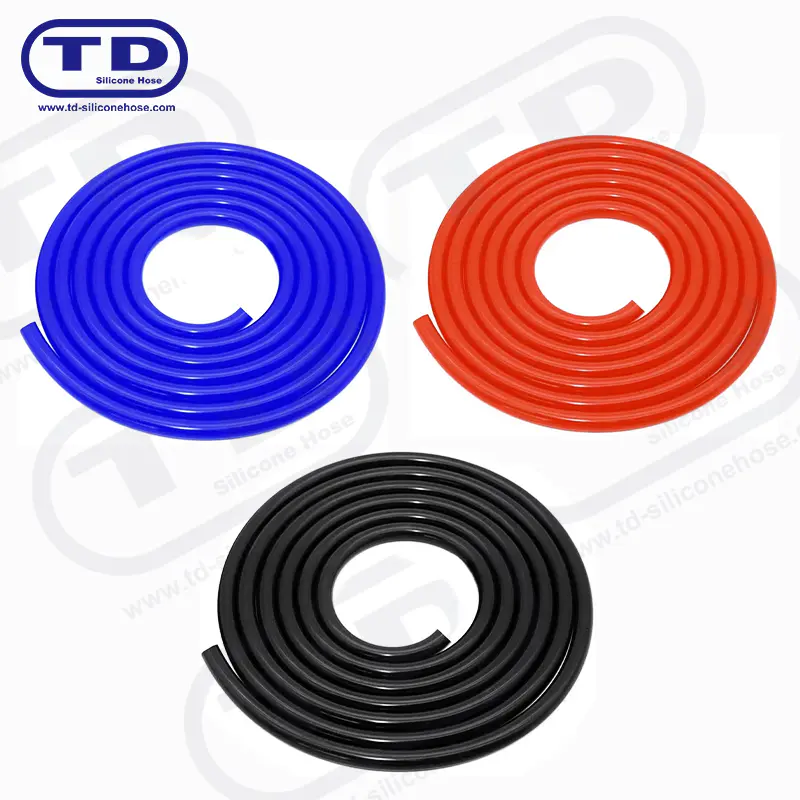
- Vacuum hoses — small-diameter silicone tubing used for vacuum-operated components such as boost controllers and PCV systems.
- Elbow and reducer hoses — pre-shaped 45° and 90° bends, or stepped reducers, that adapt between different pipe diameters without needing extra clamps.
Understanding Ply Count and Wall Construction
Ply count refers to the number of reinforcing polyester fabric layers embedded in the hose wall. More plies generally mean higher burst pressure but also added wall thickness and weight, so the right choice depends on the application rather than simply picking the highest number available.
2-Ply Construction
Standard for coolant and low-boost intake applications, typically handling up to 60 PSI. This is the most common construction for daily-driven vehicles.
3-Ply and 4-Ply Construction
Used in high-boost turbo applications where pressures can exceed 30 PSI of boost, these hoses resist swelling and provide added abrasion resistance against engine bay components, often supporting burst pressures above 100 PSI.
How to Choose the Correct Hose Size and Shape
Sizing mistakes are the most common installation error and can cause boost leaks or coolant restriction. Follow this sequence when selecting a replacement or upgrade hose:
- Measure the inside diameter of the pipe or fitting the hose will connect to, not the outside diameter of the old hose.
- Match the hose shape to the routing path — straight, 45°, 90°, or 180° — to avoid kinking or over-stretching the hose during installation.
- Check the working pressure rating against your engine's maximum boost or coolant system pressure, adding a safety margin of at least 20%.
- Confirm overall length needed to reach both connection points with enough overlap (typically 1–1.5 inches) for the hose clamps to seal properly.
- Select matching clamps — T-bolt clamps are recommended for boost hoses, while standard worm-gear clamps are sufficient for coolant lines under 15 PSI.
Installation Best Practices
- Allow the engine to cool completely before removing any coolant hose to avoid burns and pressurized coolant spray.
- Lubricate the hose ends lightly with a small amount of soapy water or silicone lubricant to ease installation over metal pipe fittings without tearing the hose wall.
- Position clamps at least 1/4 inch from the hose edge to ensure full contact with the reinforced section of the hose, not just the unsupported lip.
- Torque clamps evenly — overtightening can cut into the silicone wall, while undertightening risks boost or coolant leaks under pressure.
- Re-check clamp tightness after 50–100 miles, since new hoses can settle slightly as they seat against the fitting.
Color Options and Vehicle Compatibility
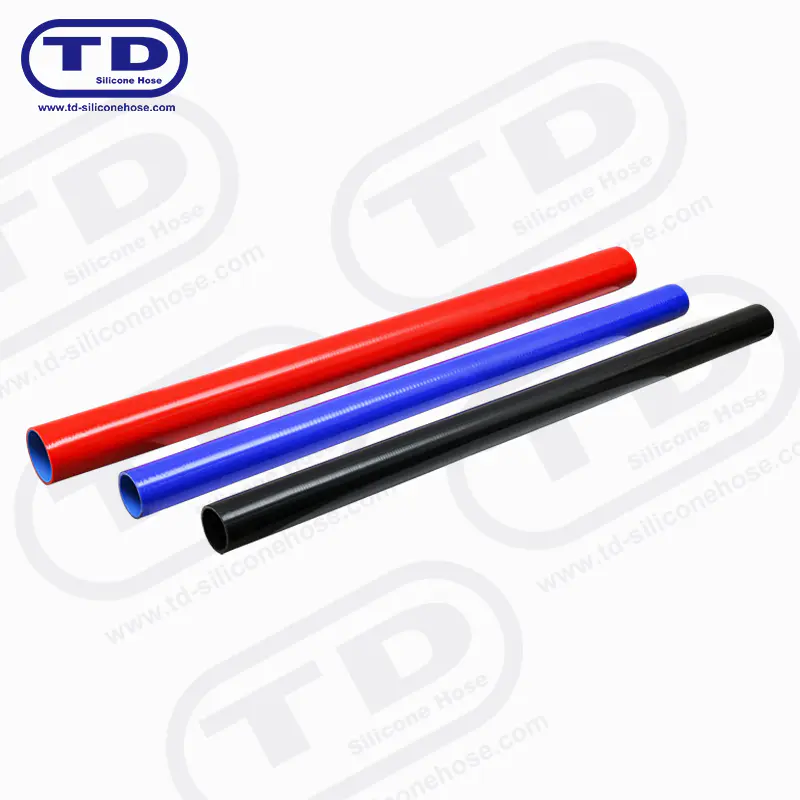
Beyond function, silicone hoses are widely used in performance builds for their colored finish options, including black, blue, red, and silver, which let owners match engine bay aesthetics. Color does not affect performance or temperature rating — the pigments used are heat-stable and do not alter the silicone compound's structural properties.
Most aftermarket silicone hose kits are designed for specific make-and-model applications (direct-fit kits) or sold as universal lengths that require trimming to fit. Direct-fit kits are recommended for first-time installers since they eliminate guesswork on bend angles and length.
Signs Your Hose Needs Replacement
Even silicone hoses eventually wear out, though far more slowly than rubber. Watch for these warning signs:
- Visible cracking or surface checking, especially near clamp points where stress concentrates.
- Soft or mushy spots when squeezed, which can indicate internal ply separation.
- Visible bulging under boost or coolant pressure, a sign the reinforcement layer has weakened.
- Coolant residue or boost leaks around clamp areas even after retightening.
Replacing a hose at the first sign of these symptoms is far cheaper than dealing with a failure on the road — a blown boost hose can cause sudden power loss, while a burst coolant hose can lead to engine overheating within minutes.
Our Product //
Ningbo Tiandai Auto Parts Co., Ltd. All Rights Reserved. ALL RESERVED.
Wholesale Automotive Silicone Hose Manufacturers
