

 English
 中文简体
中文简体 русский
 Español
 عربى
عربى
Submit feedback
Do Silicone Hoses Make a Difference? Full Auto Guide
Industry news-Content
- 1 What Is a Silicone Hose and How Does It Differ From Rubber?
- 2 Do Silicone Hoses Make a Difference in Performance?
- 3 Silicone Hose vs Rubber Hose: Head-to-Head Comparison
- 4 Where Auto Silicone Hoses Are Used in a Vehicle
- 5 How to Choose the Right Auto Silicone Hose
- 6 Signs Your Current Hoses Need Replacing With Silicone
- 7 Installation Tips for Auto Silicone Hoses
- 8 Are Silicone Hoses Worth the Cost?
Yes, silicone hoses do make a real difference — especially in performance, modified, and high-heat automotive applications. Auto silicone hoses outlast standard rubber hoses by 3–5 times, handle temperatures from -65°F to 350°F (-54°C to 177°C), and maintain their shape and flow efficiency far longer under pressure. For everyday commuter cars with stock engines, the difference is more about longevity and reliability than outright power gains. For turbocharged, supercharged, or track-driven vehicles, upgrading to silicone hoses is one of the most practical investments you can make.
What Is a Silicone Hose and How Does It Differ From Rubber?
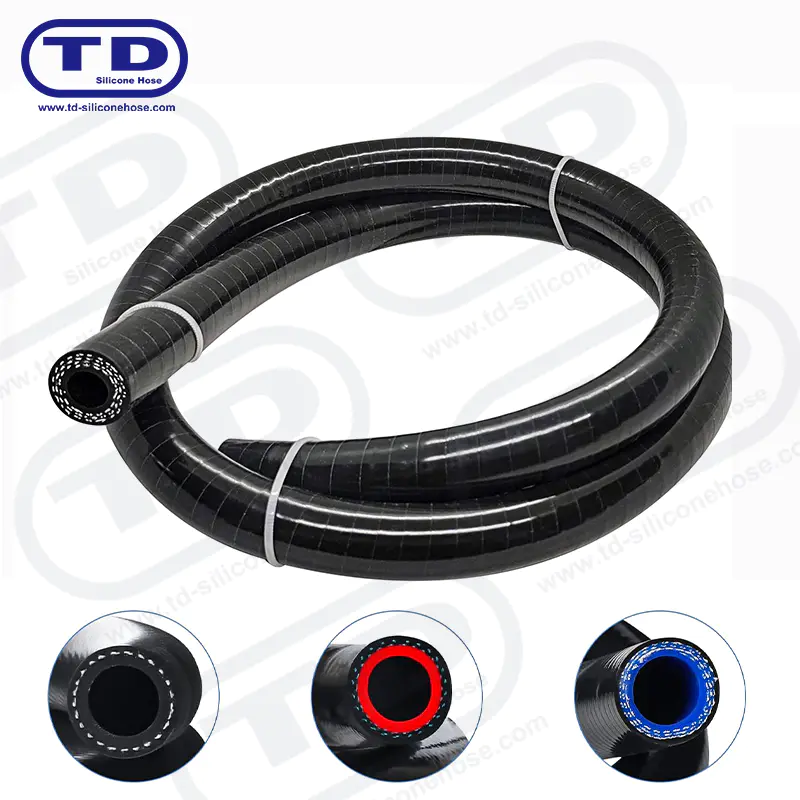
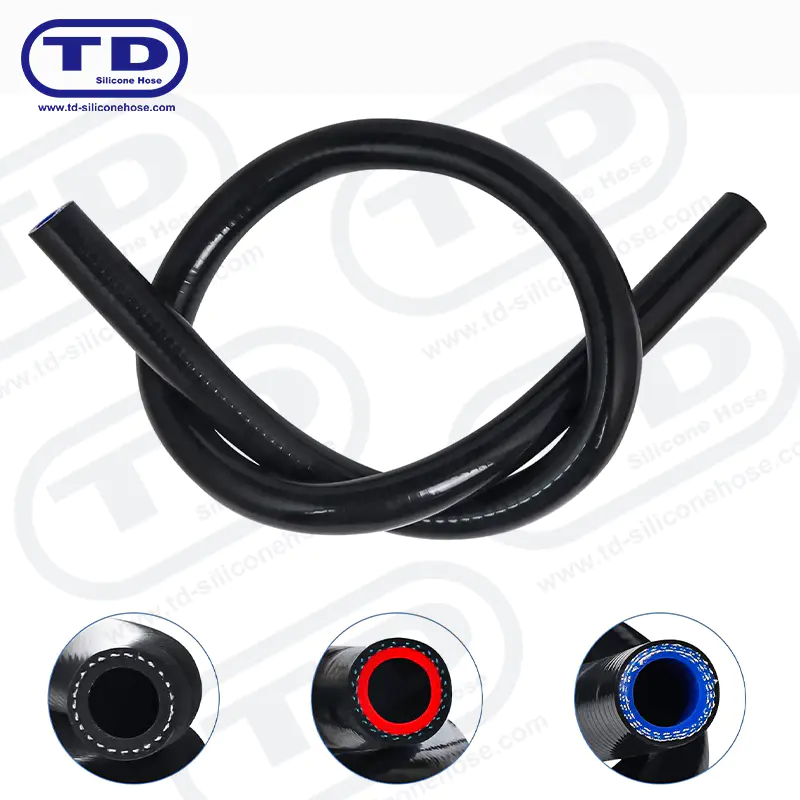
A silicone hose is a reinforced flexible tube made from polydimethylsiloxane (silicone polymer), typically layered with polyester or aramid fiber braiding for pressure resistance. Standard OEM auto hoses are made from EPDM rubber (ethylene propylene diene monomer) or neoprene — materials that are cost-effective but degrade faster under extreme conditions.
The key structural difference is in the material's molecular stability. Silicone's Si-O backbone bond is significantly stronger than the C-C backbone in rubber, which is why silicone resists heat, ozone, UV radiation, and chemical exposure far better over time.
- Standard rubber hoses: Typically rated to 257°F (125°C) continuous, prone to cracking, swelling, and hardening after 4–7 years of use.
- Auto silicone hoses: Rated to 350°F (177°C) continuous, with peak burst resistance at much higher pressures, and a service life of 10–15+ years in normal conditions.
- Reinforcement layers: Quality silicone hoses use 3–4 ply polyester or aramid braid, giving them burst pressure ratings of 100–250 PSI depending on diameter.
Do Silicone Hoses Make a Difference in Performance?
The performance impact of auto silicone hoses depends heavily on your vehicle type and use case. Here is an honest breakdown:
Turbocharged and Supercharged Engines
This is where silicone hoses deliver the most measurable difference. Boost hoses connecting the turbocharger, intercooler, and intake manifold are under constant pressure cycling. Rubber boost hoses can balloon by 2–5mm under high boost pressure, effectively delaying boost response and reducing peak boost consistency. Silicone hoses, being dimensionally stable, maintain their internal diameter under pressure, delivering more consistent boost and sharper throttle response.
On turbocharged cars running 15–20 PSI of boost, switching from degraded OEM rubber to quality silicone boost hoses has been documented to restore 5–10% boost consistency and improve spool-up noticeably.
Naturally Aspirated Engines
For stock N/A engines, silicone hoses will not add horsepower or acceleration on their own. The real benefit is preventive reliability: replacing aging coolant hoses with silicone equivalents eliminates the risk of a burst hose, overheating event, and the cascading damage that follows (warped head gaskets, cracked heads). On vehicles older than 7 years, this alone makes the upgrade worthwhile.
Track and High-Performance Applications
Under track conditions, engine bay temperatures regularly exceed 250°F (121°C), a range where standard rubber hoses begin to soften and deform. Silicone hoses remain fully stable at these temperatures, which is why motorsport regulations and aftermarket racing builds almost universally specify silicone coolant and intake hoses.
Silicone Hose vs Rubber Hose: Head-to-Head Comparison
The table below compares auto silicone hoses against standard EPDM rubber hoses across the most important performance and durability metrics.
| Metric | Silicone Hose | EPDM Rubber Hose |
|---|---|---|
| Continuous Temp Rating | Up to 350°F (177°C) | Up to 257°F (125°C) |
| Cold Flexibility (Low Temp) | Remains flexible to -65°F (-54°C) | Stiffens below -40°F (-40°C) |
| Typical Service Life | 10–15+ years | 4–7 years |
| Pressure Stability (Under Boost) | Minimal expansion | 2–5mm ballooning possible |
| UV / Ozone Resistance | Excellent | Moderate — degrades over time |
| Coolant / Chemical Compatibility | Good (not for fuel or oil) | Good for coolant, moderate others |
| Cost (per hose, approx.) | $15–$80+ | $5–$25 |
| Availability (OEM fitment) | Aftermarket, some OEM | Universal OEM standard |
Where Auto Silicone Hoses Are Used in a Vehicle
Silicone hoses are not a one-size-fits-all upgrade. They excel in specific locations while being unsuitable for fuel lines and engine oil circuits, where fluorosilicone or PTFE-lined hoses are required instead. Here are the main application areas:
- Coolant hoses (radiator, heater, bypass): The most common upgrade. Silicone resists glycol-based coolants well and handles the thermal cycling of the cooling system far better than rubber over time.
- Turbo and intercooler boost hoses: Critical on forced induction vehicles. Silicone maintains bore diameter under boost, improving charge air delivery consistency.
- Intake air hoses: Connecting the air filter box to the throttle body. Silicone resists heat soak and cracking in this high-temperature zone.
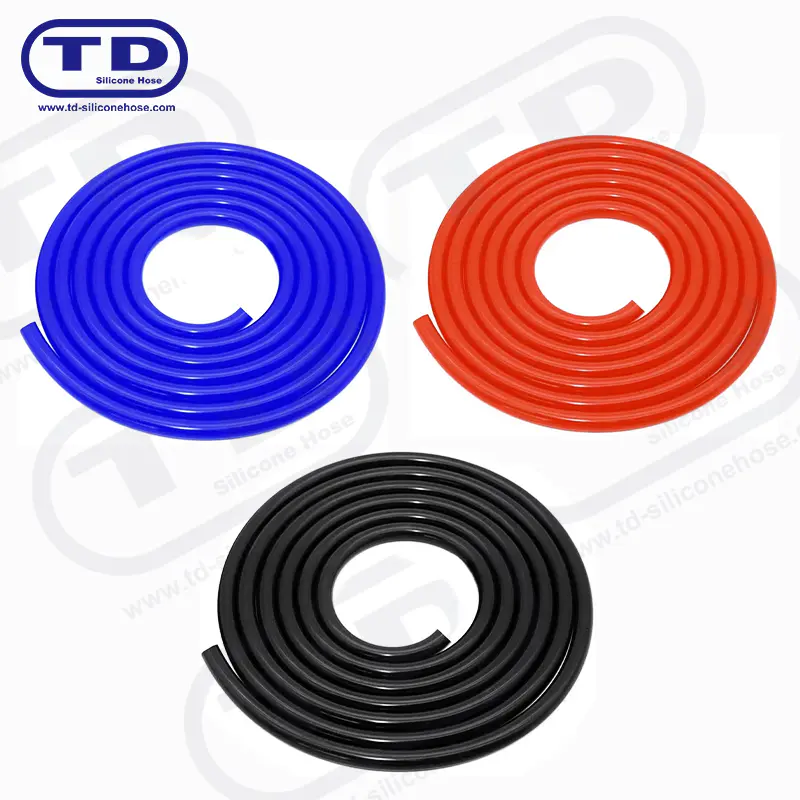
- Vacuum hoses: Small-diameter silicone vacuum lines resist hardening and cracking that cause vacuum leaks — a common cause of rough idle and poor fuel economy on older vehicles.
- Breather and PCV hoses: Silicone handles oil vapor and blow-by gases without softening or swelling over time.
Do not use standard silicone hoses for fuel lines. Gasoline, diesel, and ethanol blends will cause standard silicone to swell and degrade. Use specifically rated fluorosilicone or PTFE-lined hoses for fuel applications.
How to Choose the Right Auto Silicone Hose
Not all silicone hoses are created equal. Cheap unbranded hoses sold online may use only 2-ply construction with thin walls, failing faster than the rubber hoses they replace. Use these criteria when selecting:
Ply Count and Wall Thickness
For boost and coolant applications, select a minimum of 3-ply construction. High-boost applications (20+ PSI) benefit from 4-ply hoses. Wall thickness of 5–6mm is standard for most automotive hoses; go thicker for high-pressure turbo applications.
Reinforcement Type
Polyester braid is adequate for coolant and intake hoses. For boost hoses on performance builds, aramid (Kevlar-equivalent) fiber reinforcement offers significantly higher burst pressure resistance and is preferred on competition vehicles.
Hose Shape and Fitment
Silicone hoses come in straight, 45°, 90°, 135°, and 180° elbow configurations, as well as reducer and T-piece designs. Using a molded elbow rather than a straight hose bent around a corner prevents kinking and maintains full flow area — a detail that matters on coolant and boost circuits.
Color Options and Aesthetics
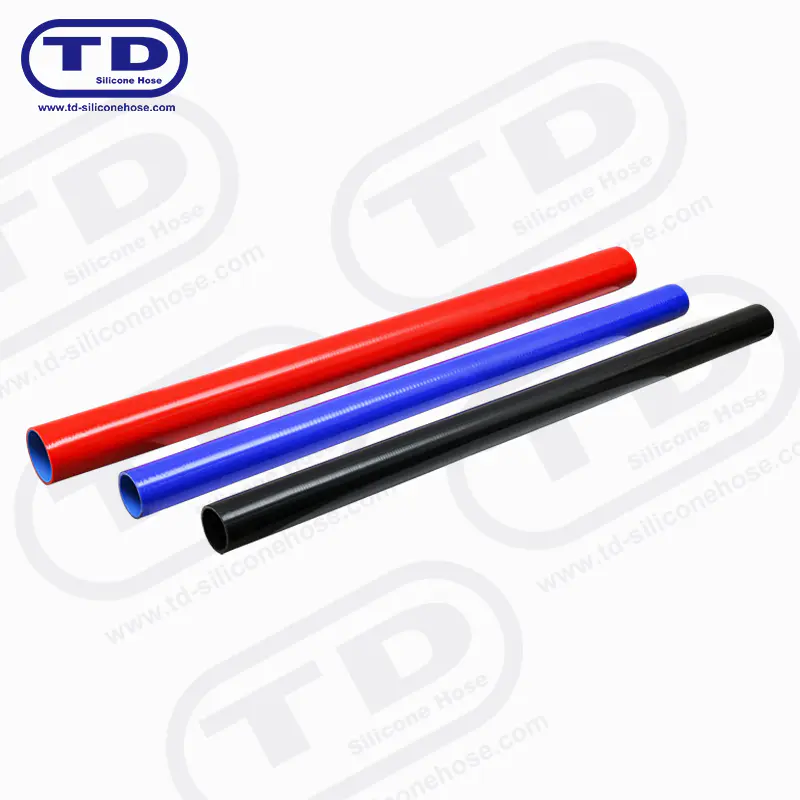
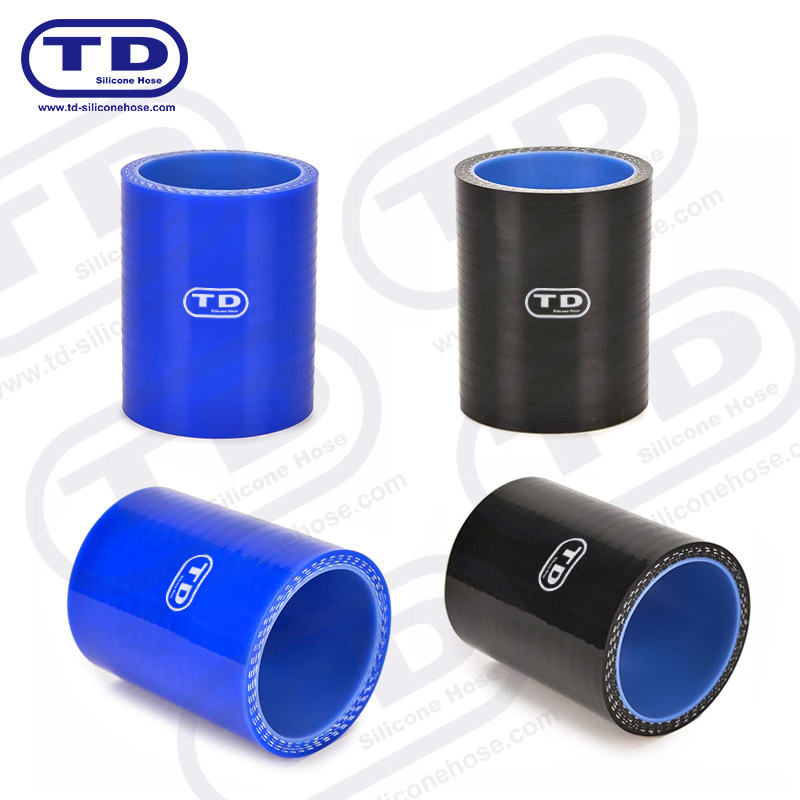
Auto silicone hoses are available in black, red, blue, yellow, and other colors. Black silicone hoses are typically more UV-stable due to carbon black pigment, making them the better choice for exposed engine bay locations. Colored hoses are popular for show builds and engine bay aesthetics.
Signs Your Current Hoses Need Replacing With Silicone
Inspecting your existing rubber hoses regularly can prevent catastrophic failures. Look for these warning signs:
- Surface cracking or crazing: Fine cracks on the outer rubber surface indicate ozone and UV degradation. The hose is close to failure.
- Hardness and stiffness: A healthy rubber hose should feel slightly pliable. If squeezing it feels like squeezing hard plastic, the rubber has vulcanized beyond safe use.
- Soft spots or bulging: Localized softness or a visible bulge near a clamp indicates internal delamination — imminent failure risk.
- Coolant residue or staining: White or rust-colored deposits around hose ends indicate seeping. This will worsen quickly under heat cycling.
- Age over 7 years: Regardless of visual condition, rubber coolant hoses on vehicles older than 7 years are statistically at elevated risk of failure and are worth proactively replacing.
Installation Tips for Auto Silicone Hoses
Installing silicone hoses correctly ensures a leak-free seal and maximizes service life. Follow these guidelines:
- Clean the connection ports thoroughly. Remove all old rubber residue and corrosion from metal nipples and pipes before fitting the silicone hose. Debris under the hose causes micro-leaks.
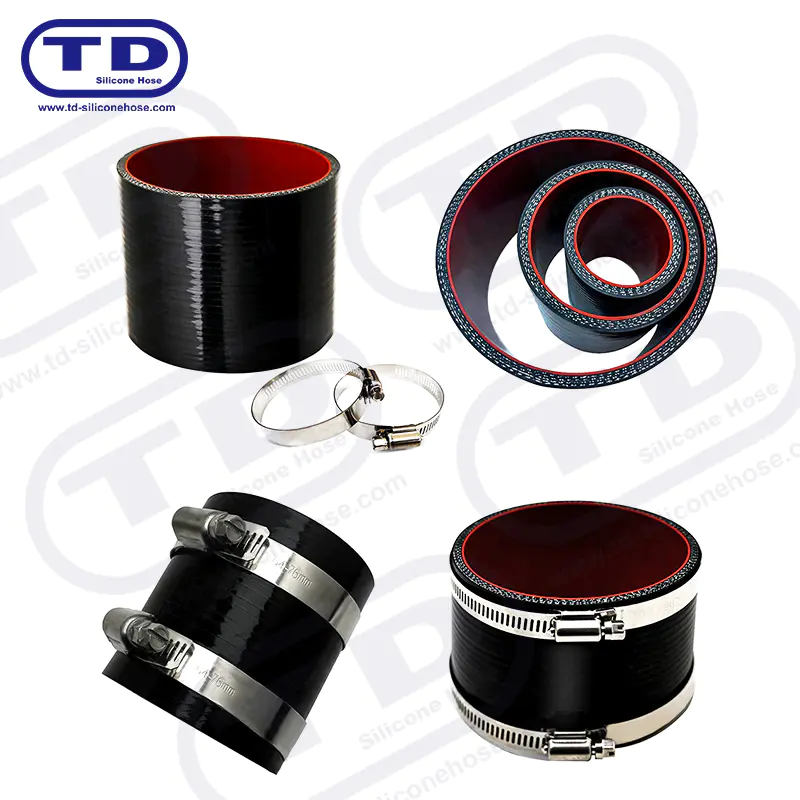
- Use stainless steel clamps. Standard zinc-plated clamps corrode and lose clamping force. Silicone hoses pair best with T-bolt clamps or stainless worm-drive clamps for a consistent seal.
- Do not over-tighten. Silicone compresses more than rubber. Over-tightening clamps can cut into the hose wall or cause clamp-induced cracking over time. Torque worm clamps to approximately 35–45 in-lb on standard coolant hoses.
- Use a small amount of coolant as lubricant. This makes sliding the hose over the port easier and helps it seat properly without tearing the inner layer.
- Check for clearance issues. Silicone hoses are often thicker-walled than OEM rubber. Verify the hose does not contact belts, fans, or hot exhaust components before running the engine.
- Re-check clamp tension after the first heat cycle. Silicone compresses slightly during the initial heating. Re-torque clamps after the first run and cool-down cycle to ensure a lasting seal.
Are Silicone Hoses Worth the Cost?
Silicone hoses cost 2–4 times more than equivalent rubber hoses upfront, but the cost-per-year calculation often favors silicone over a 10–15 year ownership period. Consider a concrete example:
- A full set of EPDM rubber coolant hoses for a common inline-4 engine costs approximately $40–$80 and needs replacement every 5–7 years.
- An equivalent silicone coolant hose kit costs $120–$200 but lasts 10–15+ years without degradation under normal use.
- Over a 15-year vehicle ownership period, two sets of rubber hoses plus labor can exceed the one-time cost of a silicone kit — and that excludes the cost of a single hose-failure overheating event, which can result in $1,500–$4,000+ in head gasket or engine damage.
For performance and modified vehicles, the value proposition is even stronger. The consistency and reliability of silicone hoses under boost and heat stress directly supports the investment made in other performance components. A burst rubber boost hose can damage an intercooler, turbocharger, or intake manifold — components costing many times more than the hose itself.
Our Product //
Ningbo Tiandai Auto Parts Co., Ltd. All Rights Reserved. ALL RESERVED.
Wholesale Automotive Silicone Hose Manufacturers
