

 English
 中文简体
 русский
 Español
 عربى

Submit feedback
How Much Does It Cost to Replace a Coolant Hose? A Realistic Price Guide
Industry news-Content
- 1 What a Coolant Hose Replacement Usually Costs
- 2 What Actually Goes Into the Bill
- 3 Why Labor Often Costs More Than the Hose Itself
- 4 Doing It Yourself: What It Really Takes
- 5 Signs the Hose Needs Replacing Now
- 6 How to Keep the Cost Down Without Cutting Corners
- 7 Choosing Parts That Last Longer Than the Original
A coolant hose looks like a modest piece of rubber, and on a parts shelf it often costs less than a tank of fuel. Yet the quote you get for replacing one can land anywhere from a little over a hundred dollars to well past four hundred. That gap is not a mystery and it is rarely a rip-off — it usually comes down to where the hose sits, how much of the engine bay has to come apart to reach it, and whether the job is done with a basic molded hose or something built to last considerably longer.
Below is a realistic breakdown of what a coolant hose replacement costs, what pushes the number up, and where you can reasonably save money without gambling with your engine.
What a Coolant Hose Replacement Usually Costs
For a typical passenger car or light truck, most drivers pay somewhere between $150 and $450 for a single hose replacement at an independent shop. The hose itself is rarely the expensive part — labor is. The table below shows how the figure moves with the complexity of the job.
| Job | Parts | Labor (hours) | Typical total |
|---|---|---|---|
| Upper or lower radiator hose, inline 4-cylinder | $20–$60 | 1–1.5 | $130–$250 |
| Molded hose on a transverse V6 or V8 | $30–$90 | 1.5–3 | $200–$450 |
| Heater core hose at the firewall | $25–$80 | 1.5–3 | $180–$400 |
| Complete coolant hose kit, all hoses at once | $120–$350 | 3–5 | $450–$900 |
| Clamps and fittings refreshed with the hose | $15–$70 | included | $20–$90 extra |
If your quote falls inside these bands, it is normal. If it sits well above them, ask what extra work is included. A thermostat, a water pump, or a plastic quick-connect fitting that crumbles on removal can legitimately add $100 to $300 to the bill, and those are jobs worth doing while the system is already drained.
What Actually Goes Into the Bill
- The hose itself — $15 to $90 for a single molded radiator or heater hose, more for a shaped or reinforced hose.
- Coolant — $20 to $60 depending on capacity, concentrate versus pre-mixed, and the spec your engine requires.
- Clamps and fittings — $5 to $40. Old spring clamps are often replaced rather than reused.
- Labor — the largest line on most invoices, and the one that varies most between vehicles.
- Pressure test and bleeding — usually folded into labor, but essential; trapped air causes overheating.
- Old coolant disposal — a small fee in some regions.
On a simple front-engine layout, the whole job can be done in under an hour. On a tightly packed engine bay, the same hose may sit under an intake tube, a battery tray, or an engine cover that has to come off first.
Why Labor Often Costs More Than the Hose Itself
Access is everything. A radiator hose at the front of the engine is straightforward. A heater hose that disappears behind the cylinder head, or a lower hose that runs behind the alternator, can turn a fifteen-minute swap into a two-hour job. Transverse engines in front-wheel-drive cars are the usual culprits, because the hose routing wraps around components that were never designed to be moved twice.
Corrosion adds time as well. Coolant that has been left too long can seize a hose onto its outlet, and prying it free without damaging the radiator neck or the aluminium housing takes patience. Plastic connector ends become brittle with heat cycles and often break during removal, which means a replacement part and another trip to the counter. None of that is avoidable, and it is exactly what you are paying a technician to handle.
Doing It Yourself: What It Really Takes
If you are comfortable with basic work, a coolant hose replacement is one of the more approachable jobs on a car — drain, loosen the clamps, cut or twist the old hose free, clean the outlet, fit the new hose, refill, and bleed. The parts bill typically lands between $40 and $120, so the saving is real.
You will want a drain pan, a clamp tool or a suitable socket, a scraper for cleaning the outlet, fresh coolant mixed to the manufacturer's specification, and a funnel. The part most first-timers underestimate is bleeding: air pockets in the cooling system cause temperature swings and, in bad cases, head gasket damage. Follow the bleed procedure for your specific engine rather than idling it with the cap off and hoping. Having the right shaped hose also matters enormously — a hose that kinks on installation will fail again within months.
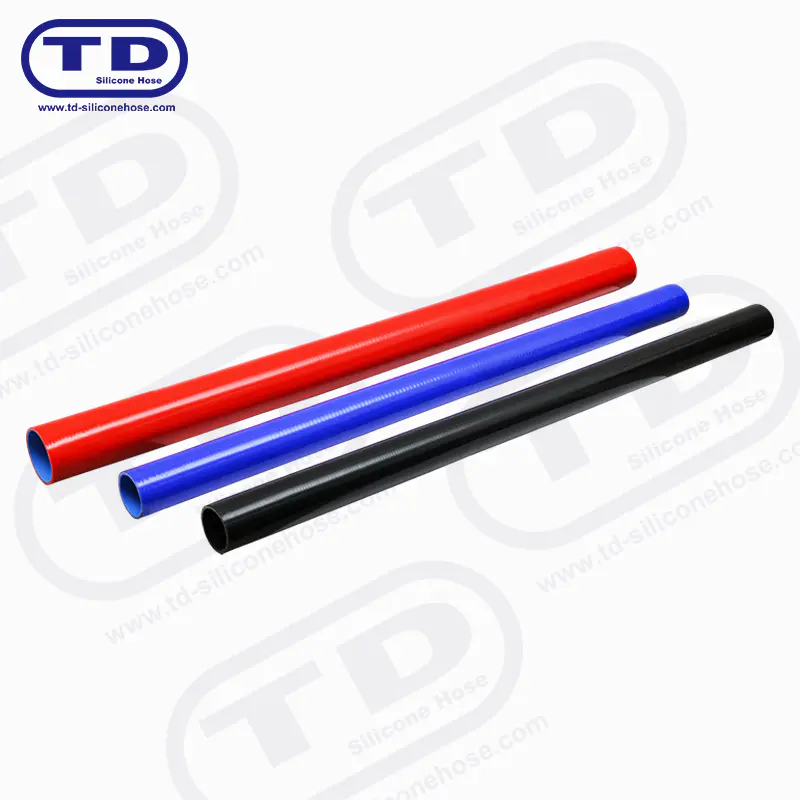
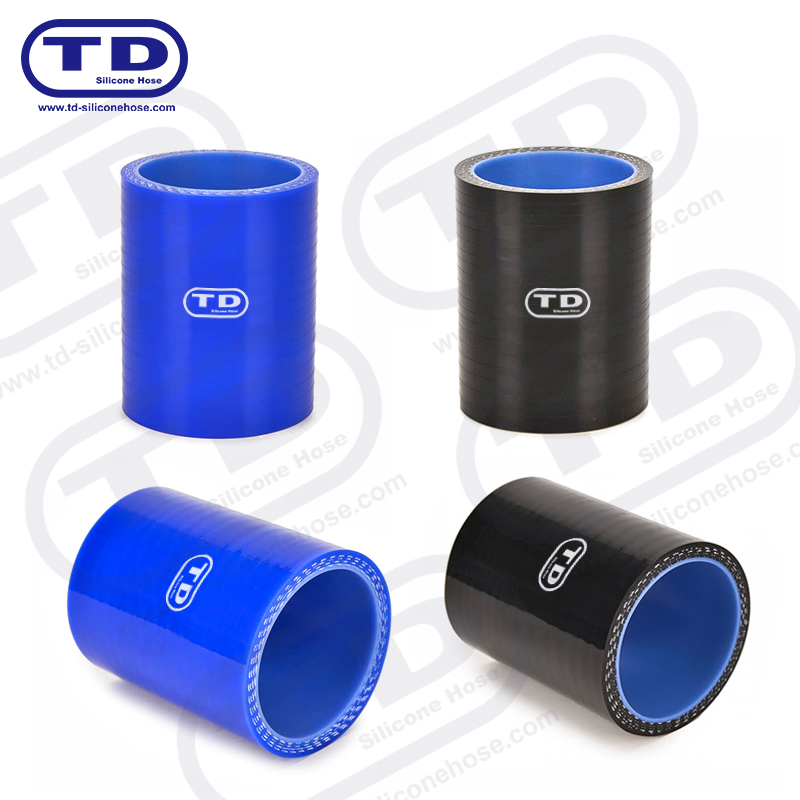
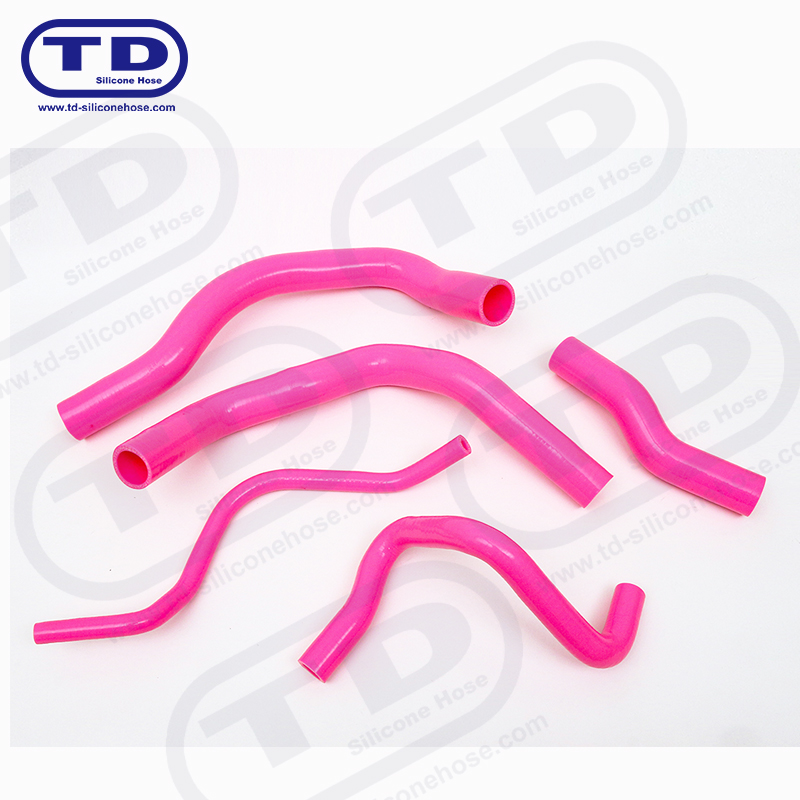 Reinforced Silicone Radiator Hose for Automotive Cooling SystemsPurpose-made reinforced silicone hose is shaped to follow original cooling routes, helping avoid kinks during replacement and supporting high under-hood temperatures.View Product →
If you prefer a direct replacement for a worn original, a purpose-made radiator hose removes the guesswork and fits the routing your engine was designed around.
Signs the Hose Needs Replacing Now
- Bulging or a soft, spongy feel when squeezed
- Visible cracks, especially near the clamp ends
- Coolant residue or white crusty deposits around the fitting
- A persistent sweet smell after the engine is warm
- A hose that collapses flat when the engine is cold
- Slow coolant loss with no obvious puddle
Any of these means the hose is on its way out. A coolant hose rarely fails gradually — it usually splits under pressure, and that happens at the least convenient moment, often far from home.
How to Keep the Cost Down Without Cutting Corners
The cheapest way to spend more money here is to replace one hose at a time. Coolant hoses age together, so if one has gone soft, its neighbours are typically close behind. Doing the whole set in one visit means paying labor once instead of three times, and it is why a complete kit often works out cheaper than two separate single-hose jobs.
- Replace all coolant hoses in one go, while the system is already drained.
- Replace clamps with the hose — reusing stretched spring clamps causes leaks.
- Use the coolant specification listed in your owner's manual; the wrong chemistry shortens hose life.
- Fix small leaks early, before they turn into an overheat and a much bigger repair.
- Choose a hose material that matches how hard you use the vehicle — silicone and rubber hoses age differently, and the right choice pays for itself over the life of the car.
Choosing Parts That Last Longer Than the Original
If you plan to keep the vehicle, or you drive it hard, the price difference between a basic replacement hose and a quality silicone hose is small compared with the labor you have already paid. Silicone tolerates higher under-hood temperatures, resists hardening and cracking better than conventional rubber, and holds its shape through repeated heat cycles. For a truck, a tow vehicle, a track car or anything with a turbo nearby, that margin matters.
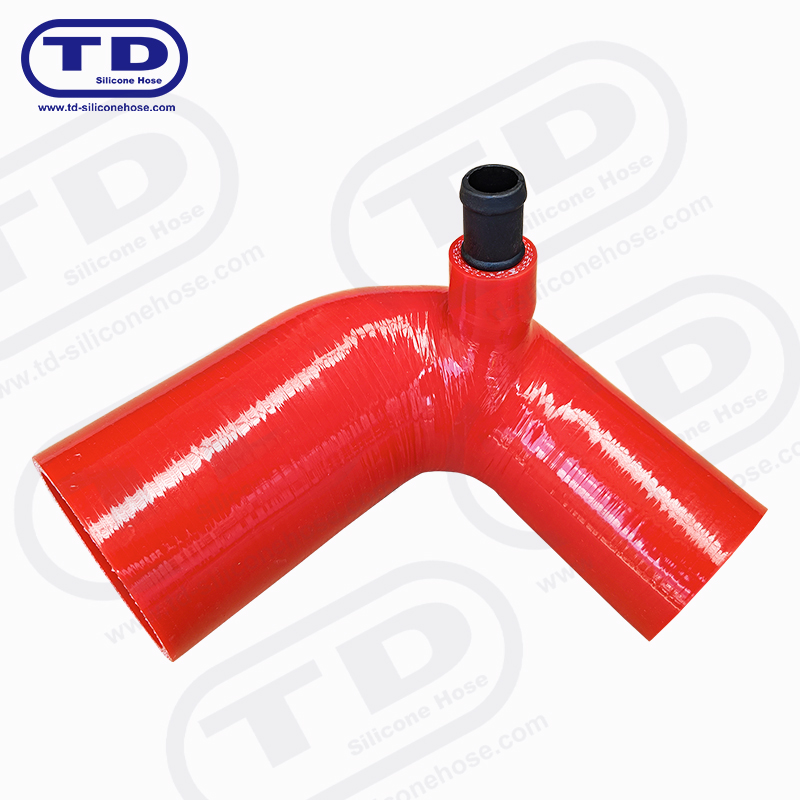 Complete Silicone Hose Kits for Cooling and Charge-Air SystemsApplication-matched kits bundle radiator, heater, bypass or turbo hoses and hardware, making it practical to refresh the whole system with heat-resistant silicone in one job.View Product →
A full kit covers the radiator, heater and bypass hoses together, which is usually the most economical way to refresh the entire system in a single afternoon.
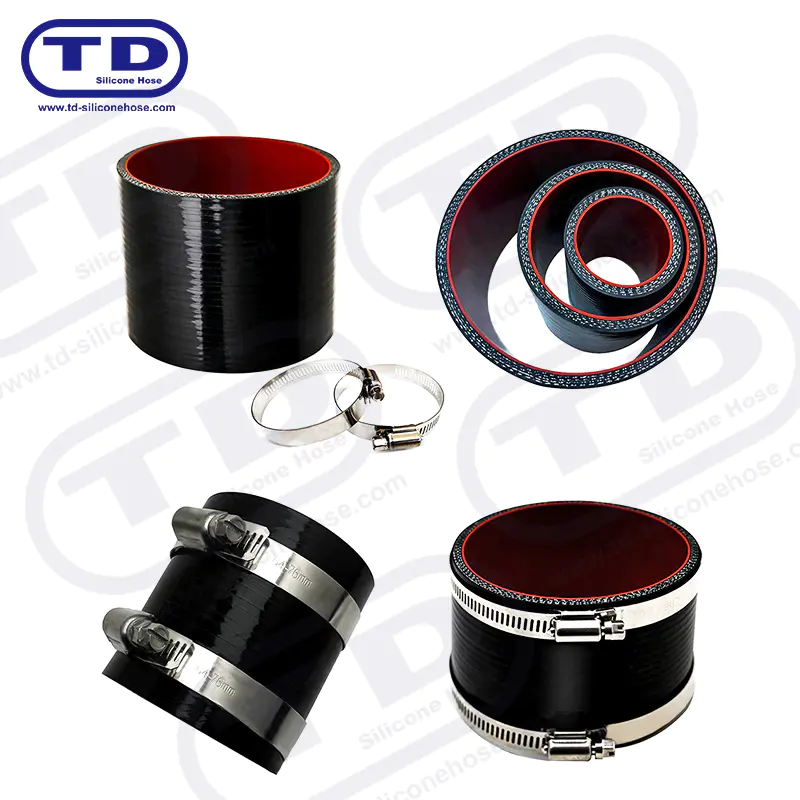
 T-Bolt Hose Clamps for Silicone Cooling and Charge-Air ConnectionsStainless T-bolt clamps provide adjustable, 360° tightening for turbo, intercooler and radiator hose joints, helping maintain even clamping force and reduce vibration-related loosening.View Product →
Pairing the new hose with proper T-bolt clamps gives an even, controlled clamping force instead of the uneven bite of an old spring clamp — a small detail that prevents a surprising number of repeat leaks.
So, how much does it cost to replace a coolant hose? Budget $150 to $450 for a shop job on most vehicles, expect closer to $600 to $900 if you replace every hose at once, and roughly $40 to $120 in parts if you handle it yourself. The number that really matters, though, is the cost of ignoring a bulging hose until it splits on a hot day — that invoice almost always ends with four digits.
Our Product //
Ningbo Tiandai Auto Parts Co., Ltd. All Rights Reserved. ALL RESERVED.
Wholesale Automotive Silicone Hose Manufacturers
