

 English
 中文简体
 русский
 Español
 عربى

Submit feedback
how many hoses are on a radiator: Applications, Selection Criteria, and Practical Guidance
Industry news-Content
- 1 The short answer: most radiators have two main hoses
- 2 When the count becomes three, four, or more
- 3 How to identify every hose on your radiator
- 4 Does a modified or performance car have more hoses?
- 5 Choosing replacement hoses, clamps, and a sensible count
- 6 Installation and maintenance tips
- 7 Quick answers to common radiator hose questions
Radiator hoses are easy to ignore until one starts weeping coolant onto a driveway. Then the questions arrive quickly: how many hoses are on a radiator, which ones actually matter, and should they all be replaced? If you have opened a hood and seen a maze of molded rubber and silicone, you are not alone. The useful answer is usually two, but the honest answer depends on how you count.
The short answer: most radiators have two main hoses
On a conventional passenger car or light truck, the radiator has two primary coolant connections. One hose carries hot coolant from the engine to the radiator. The other returns cooled coolant from the radiator back to the engine. Depending on the vehicle layout, these are commonly called the upper radiator hose and the lower radiator hose.
Those two are the hoses most people mean when they ask how many hoses are on a radiator. They are also the two that a radiator hose kit normally replaces. The upper hose often sees the hottest coolant leaving the engine, while the lower hose usually works on the suction side of the water pump and may have a spring, reinforcement, or molded shape to keep it from collapsing.
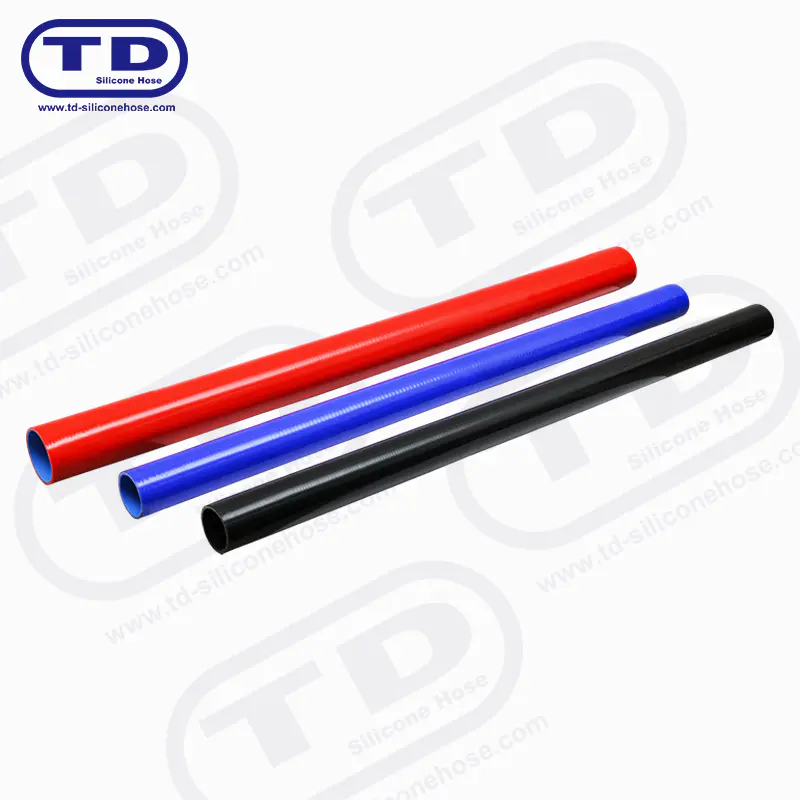
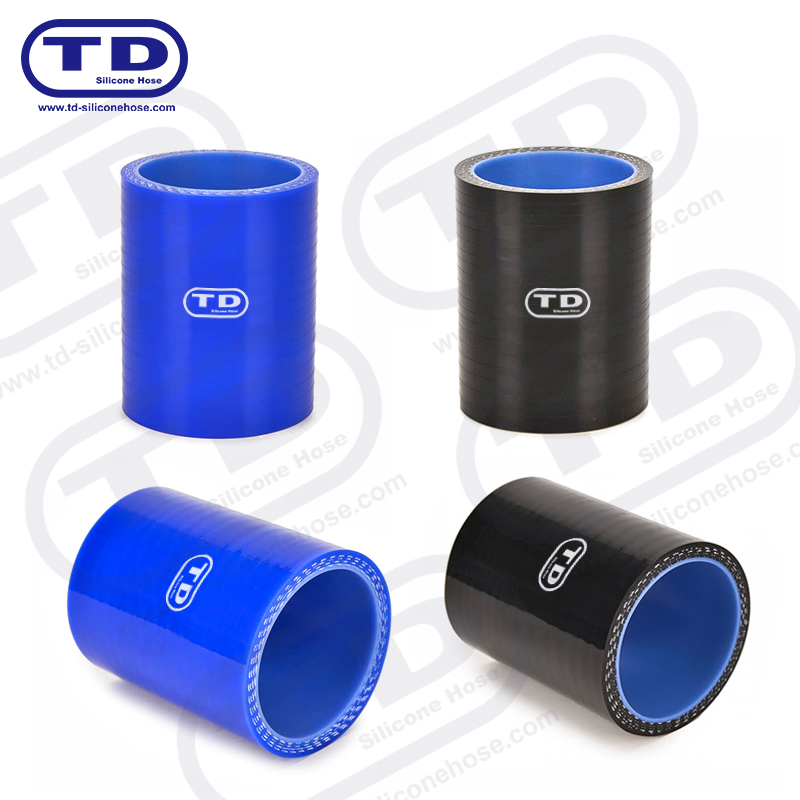
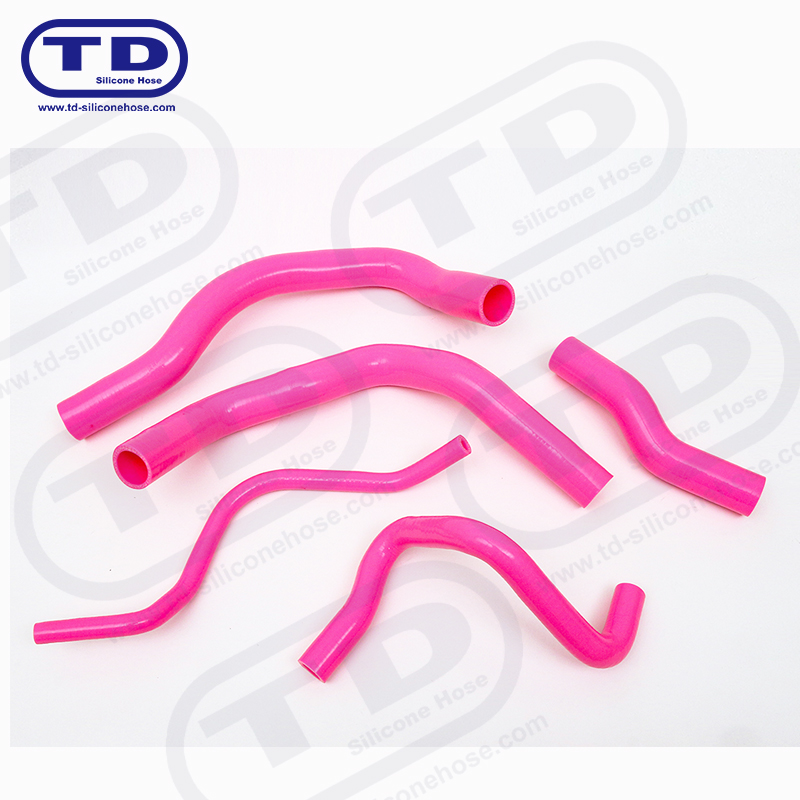 Reinforced Silicone Radiator Hose for Cooling and Charge-Air CircuitsHigh-temperature silicone hose with 2–6 ply reinforcement, molded elbows and matched radiator kits for replacement and modified cooling systems.View Product →
| Hose location | Typical function | What to inspect |
|---|---|---|
| Upper radiator hose | Moves hot coolant from the engine toward the radiator | Soft spots, cracks, collapsed shape, dried coolant residue |
| Lower radiator hose | Returns cooled coolant from the radiator to the engine | Swelling, chafing, clamp corrosion, hidden pinholes |
| Small branch or vent hose | Connects a reservoir, bleed circuit, or surge tank on some vehicles | Loose clamps, brittle plastic fittings, crusty coolant stains |
When the count becomes three, four, or more
The confusion starts when owners count every flexible line near the radiator. A radiator may have a small connection for a coolant reservoir, a bleed line, or a branch molded into the lower hose. Some engines use a surge tank or degas bottle with an extra hose. Others have auxiliary radiators, heater circuit hoses routed nearby, or coolant lines for a throttle body, turbocharger, EGR cooler, or oil cooler.
If you count only the main hoses that carry engine coolant through the radiator core, most vehicles still have two. If you count every hose attached to the radiator assembly, including reservoir vent lines and transmission fluid cooler lines, the number can be four or more. Transmission cooler lines are especially easy to misidentify: they may pass through a tank in the radiator, but they carry automatic transmission fluid, not engine coolant, and they are not radiator hoses in the usual service sense.
A practical way to think about it is this: two main radiator hoses for the cooling loop, plus any small branches or auxiliary coolant hoses your specific radiator and engine layout uses. The parts diagram for your vehicle is more reliable than a general rule.
How to identify every hose on your radiator
Work with the engine cold and the cooling system unpressurized. Clean the area around the radiator so you can see stains and clamp marks, then trace each hose by hand rather than guessing from color alone.
- Find the radiator inlet and outlet. These are the two large connections that feed the main cooling loop.
- Trace the upper hose toward the engine and note whether it has a small branch or bleed fitting.
- Trace the lower hose to the water pump or engine inlet and check for a spring, reinforcement, or molded branch.
- Look for smaller hoses connected to the radiator, reservoir, or surge tank. Label them separately from the two main hoses.
- Identify metal lines and rubber lines that carry transmission fluid or air. Do not include them in your radiator hose count.
- Take a photo before removal. Molded hoses can look similar once they are off the vehicle.
If you are replacing tired rubber hoses, a vehicle-specific silicone hose kit can simplify the job by matching the original molded shapes and reducing the chance of a poor fit. Measure the inside diameter, check the number of branches, and confirm the clamp positions before ordering.
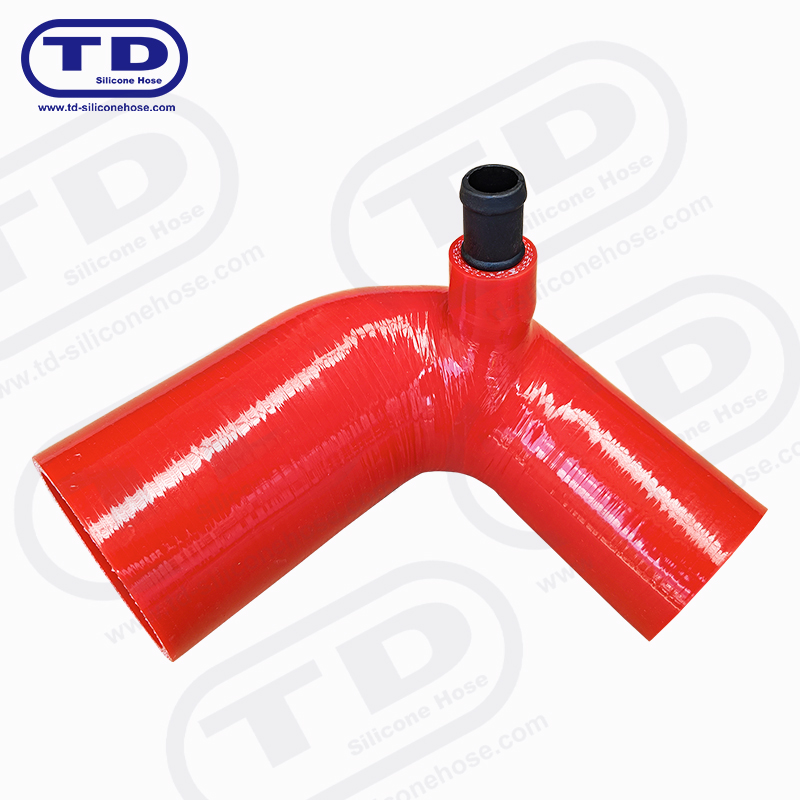 Application-Matched Silicone Hose Kits for Cooling and Charge-Air SystemsVehicle-specific sets include radiator, heater, boost, intake and vacuum hoses, helping match original molded shapes and reduce fit issues.View Product →
Does a modified or performance car have more hoses?
It can. A race car or modified street car may use a swirl pot, header tank, bleed line, auxiliary radiator, or separate coolant circuit for a turbocharger. Even then, the main radiator usually has two primary coolant hoses. The extra hoses serve air removal, expansion volume, or a secondary cooling path. On a custom build, count by function rather than by appearance: main radiator feed, main radiator return, and any clearly separate vent, reservoir, or auxiliary circuit.
Choosing replacement hoses, clamps, and a sensible count
When ordering replacement parts, match the hose to the vehicle and its cooling system, not just to a diameter. Molded hoses reduce stress at the ends, reinforced hoses resist pressure and heat, and the right clamp spreads sealing load without cutting into the hose. The inner lining of a silicone radiator hose also matters because coolant chemistry and contamination can shorten service life.
For older vehicles, replacing both main radiator hoses at the same time is often practical because they have seen the same heat cycles. Small branch hoses should be replaced if they are cracked, hard, or stuck to their fittings. Use the correct clamp style for the hose and fitting, and avoid overtightening a clamp to stop a leak; that can distort the hose and create a new problem.
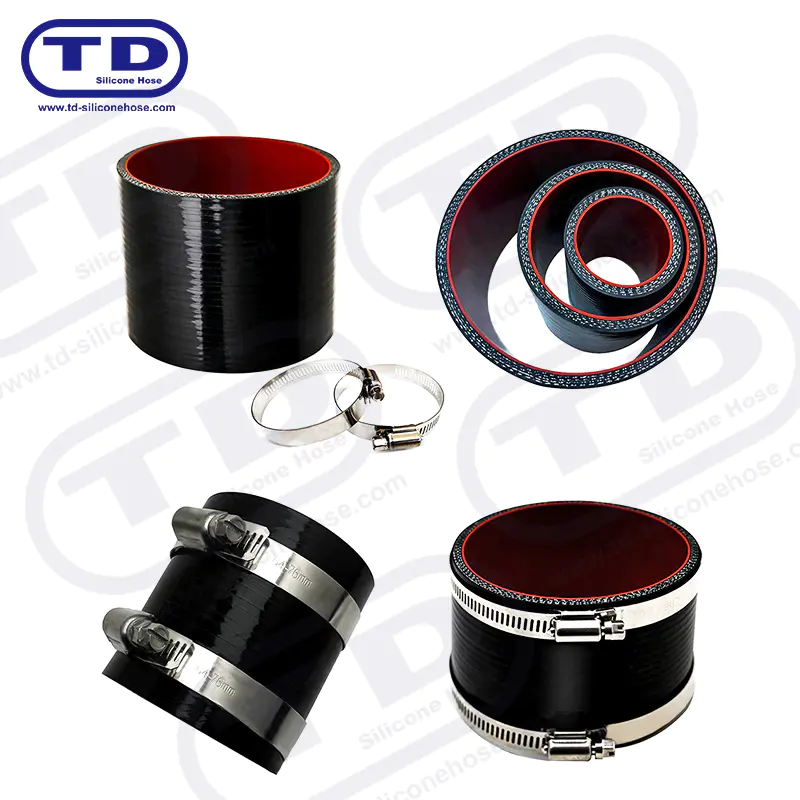
 Heavy-Duty T-Bolt Clamps for Silicone Hose ConnectionsStainless steel T-bolt and spring-reinforced clamps provide even 360° compression for turbo, intercooler, radiator and high-vibration silicone hose joints.View Product →
Installation and maintenance tips
A correct hose count is only useful if the installation is right. Drain the coolant safely, clean the fittings, and remove old residue without scratching the sealing surfaces. Fit the new hose without twisting it, confirm that it clears nearby pulleys and brackets, and tighten the clamps to a sensible specification. Refill with the recommended coolant, bleed the system properly, and run the engine to temperature while watching for leaks.
- Check hose ends and clamps again after the first heat cycle.
- Keep coolant away from painted surfaces and electrical connectors.
- Replace hoses that are soft, swollen, cracked, or leaking at the crimp or clamp area.
- Do not substitute a straight universal hose for a sharply molded hose unless the routing allows it.
Quick answers to common radiator hose questions
Do all cars have exactly two radiator hoses?
No. Most do have two main coolant hoses, but a reservoir branch, bleed line, or auxiliary circuit can add more. Count the two main hoses separately from small vent and reservoir hoses.
What is the third hose on a radiator?
It is often a reservoir or surge tank connection, a bleed line, or a branch molded into a lower hose assembly. On some vehicles, what looks like a third coolant hose may be a transmission fluid cooler line carrying ATF.
Should I replace both radiator hoses at once?
On an older vehicle with original hoses, replacing both main hoses together is usually sensible. If one hose is nearly new and the other is aged, inspect both and replace only what is needed.
So, how many hoses are on a radiator? For most vehicles, the clear answer is two main radiator hoses, with possible small branches or auxiliary coolant lines depending on the layout. Counting by function keeps the job simple: identify the upper and lower coolant paths, label any extra vent or reservoir hoses, and ignore lines that carry transmission fluid or air. From there, inspect the whole cooling system, fit the right replacement hoses and clamps, and check your work after the engine has warmed up.
Our Product //
Ningbo Tiandai Auto Parts Co., Ltd. All Rights Reserved. ALL RESERVED.
Wholesale Automotive Silicone Hose Manufacturers
