

 English
 中文简体
 русский
 Español
 عربى

Submit feedback
How to Mold Radiator Hose: A Practical Guide to Custom-Fit Silicone Hoses
Industry news-Content
Radiator hoses are the silent workhorses of your engine's cooling system. They carry hot coolant between the engine, radiator, and heater core, while withstanding high temperatures and constant vibration. When you open the hood of an older car or a modified build, the stock hose often doesn't line up with your new radiator, thermostat housing, or aftermarket accessories. That is where the idea of molding a radiator hose comes in.
We are a silicone hose manufacturer based in Ningbo, and we spend our days working with tubing, bends, and fittings. In this guide, we want to share the practical methods you can use to shape a radiator hose for a custom fit, plus a few of the pitfalls we have seen over the years.
What Does It Mean to Mold a Radiator Hose?
Molding a radiator hose doesn't mean melting plastic and injecting it into a cavity—at least not for most home mechanics. In the automotive world, "molding a hose" usually means shaping a flexible hose so it follows a specific route in the engine bay. There are three basic approaches: bend an existing hose, join straight and angled hose sections with fittings, or fabricate a completely custom hose using a mold. Each has its place, depending on the material, the complexity of the route, and your patience.
Understanding the difference is important because silicone and traditional rubber behave differently when you apply heat and force. The method that works on a rubber heater hose may not work on a silicone radiator hose.
Choose the Right Hose Material
Before you start bending or cutting, choose the right hose material. Most stock radiator hoses are made of EPDM rubber, while aftermarket performance hoses are usually silicone. Both have their strengths, and the best choice depends on your environment and budget.
| Property | Rubber (EPDM) | Silicone |
|---|---|---|
| Heat resistance | Up to about 250°F (121°C) | Up to about 350°F (177°C) |
| Flexibility | Molds easily with heat | Very flexible, but tends to kink |
| Durability | Degrades over time | Excellent resistance to coolant and heat |
| Forming difficulty | Moderate | Requires careful support |
From a manufacturing standpoint, silicone offers excellent heat resistance and a broader temperature range. It also holds up well against coolant and minor exposure to oil. That is why many modified and racing cars use silicone radiator hoses. However, silicone is more expensive, and it is not as forgiving as rubber when you bend it sharply. If you plan to mold your own hose, think about how much heat your engine produces and whether you want total flexibility or a firm, molded fit.
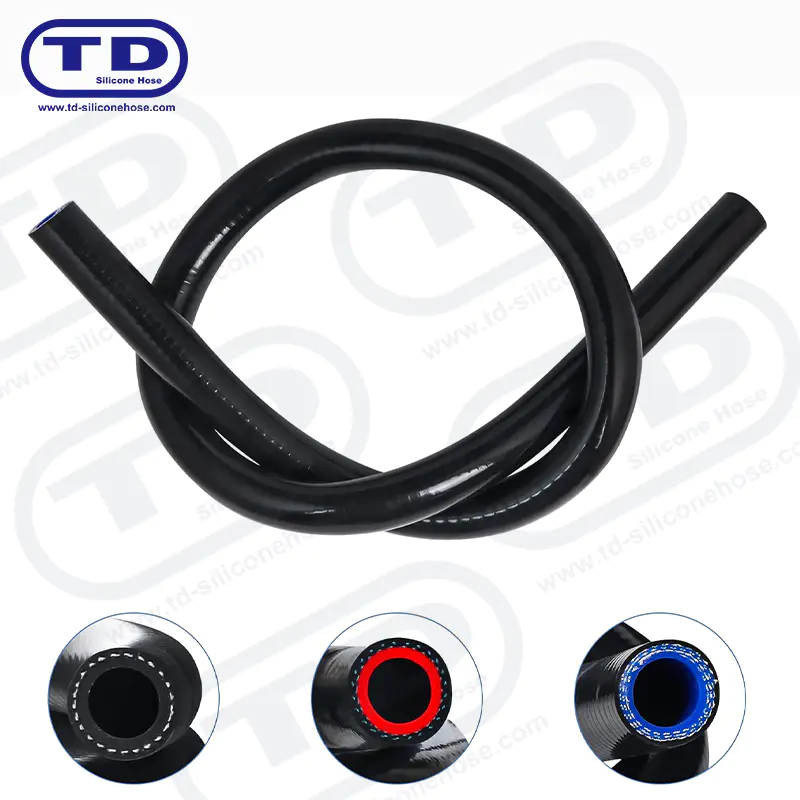
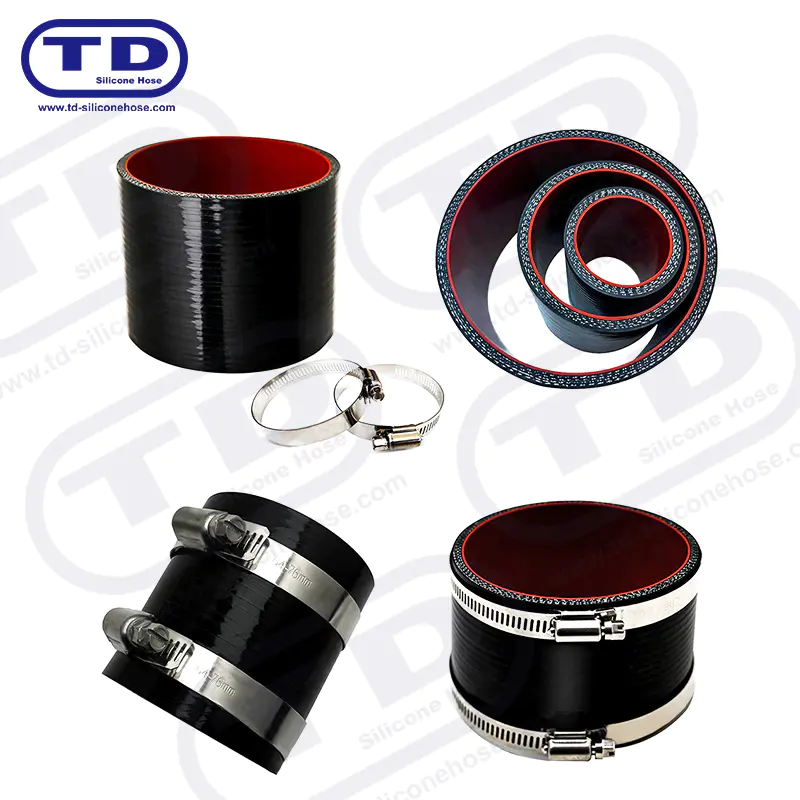
Our car silicone radiator hose line is designed for these exact situations. It uses multi-ply silicone for strength and a smooth inner surface for efficient coolant flow.
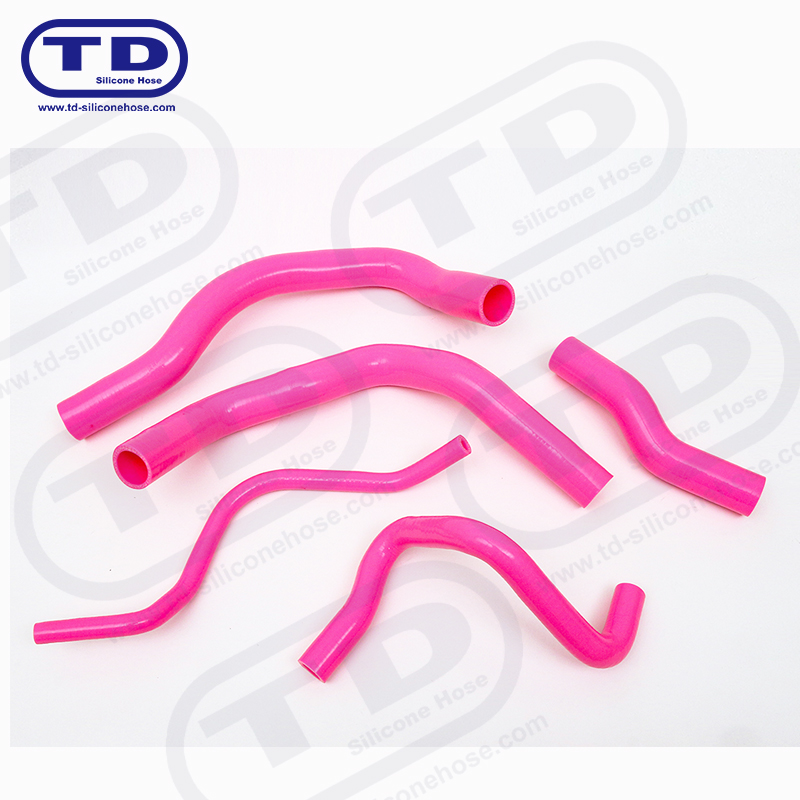 Reinforced Silicone Radiator Hose Kit for Turbo Intercooler SystemsThis multi-ply silicone hose provides the strength and smooth coolant flow you need while measuring and fitting precisely over metal necks.View Product →
Prepare the Hose for Forming
Once you have the raw hose, accurate measurements are your best friend. The number one mistake we see is cutting a hose too short because someone eyeballed the distance between two metal necks. Measure the centerline distance and account for the amount of hose that will slip over the fitting—usually 30 to 50 mm on each side. Choose a hose with an inner diameter that matches the outer diameter of the fitting; too small will not slip on, too large will leak. Clean the ends and use a little soapy water or silicone lubricant to slide the hose into place.
For a detailed breakdown of how to measure and fit silicone hoses properly, see our guide on how to measure and fit silicone hoses correctly.
Four Ways to Shape a Radiator Hose
1. Heat, Bend, and Cool
The classic method for rubber hoses is to soften them with heat, bend them to the desired radius, and let them cool in place. Use a heat gun or soak the hose in boiling water. Insert a flexible spring or a piece of coiled wire inside the hose before heating to keep the inside diameter open. Bend slowly, hold the hose in position, and cool it with a damp cloth. This works well for mild curves, but it is not ideal for tight 90-degree bends on silicone, because silicone tends to want to return to its original shape.
2. Combine Straight Hose and Elbows
If you need a sharp angle, the cleanest DIY approach is to use straight hose sections with an elbow connector or metal fittings. For example, you can run a straight silicone hose from the thermostat housing to an aluminum fitting, then attach another straight section at a 45- or 90-degree angle. This creates a custom path without trying to bend the hose into a pretzel.
Aluminum fittings are ideal for this because they are lightweight, corrosion resistant, and create a smooth internal transition. They also allow you to disconnect the hose easily later.
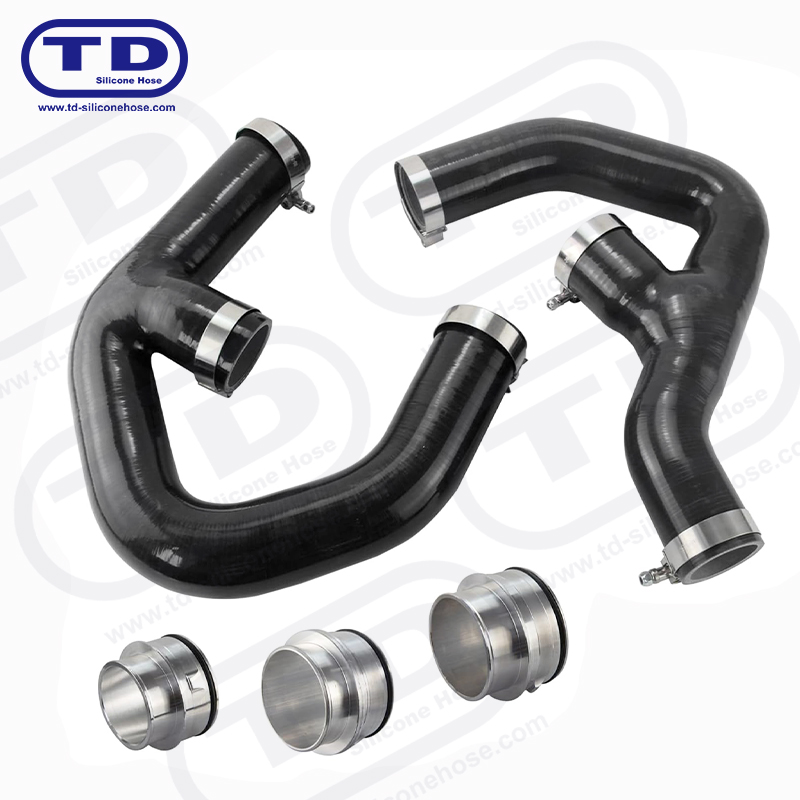 Lightweight Aluminum Fittings for Silicone Hose ConnectionsCorrosion-resistant aluminum fittings ensure a smooth internal transition and easy disconnection, ideal for pairing with elbow hoses in custom routes.View Product →
3. Use a Preformed Elbow Hose
Sometimes nothing beats a ready-made 45-, 90-, or 180-degree elbow hose. Most silicone radiator hoses are sold in standard shapes and sizes. You can combine an elbow hose with small straight sections and hump hoses to fit almost any route. This is the route we recommend for most home mechanics who want a reliable result without the trial-and-error of bending.
4. Build a Wood Buck and Mold Silicone
The most advanced method is to make a custom mold, often called a buck, out of wood or plastic. Determine the exact path, shape the buck to match the hose path, and then lay up uncured silicone sheet or use a silicone tube over the buck. In industrial manufacturing, this is close to how some reinforced silicone hoses are formed. At home, this is difficult and requires curing at high temperature, which is why most people turn to a professional hose manufacturer for truly custom shapes.
If you need a custom silicone hose and do not have a workshop full of molds, choose a high-quality straight silicone tube and fit it with aluminum elbow joints. It will look tidy and hold up well.
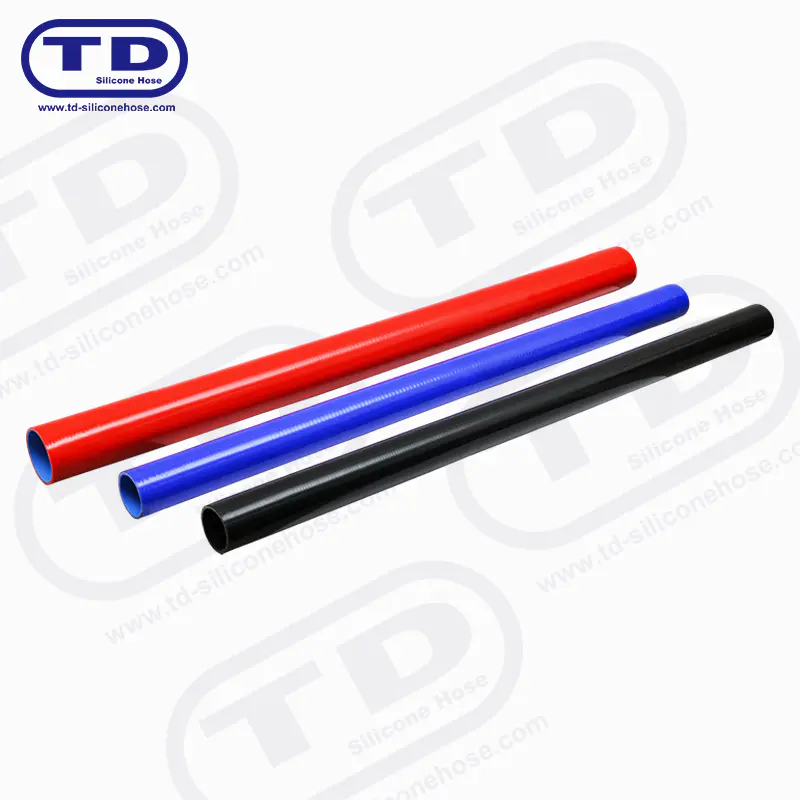
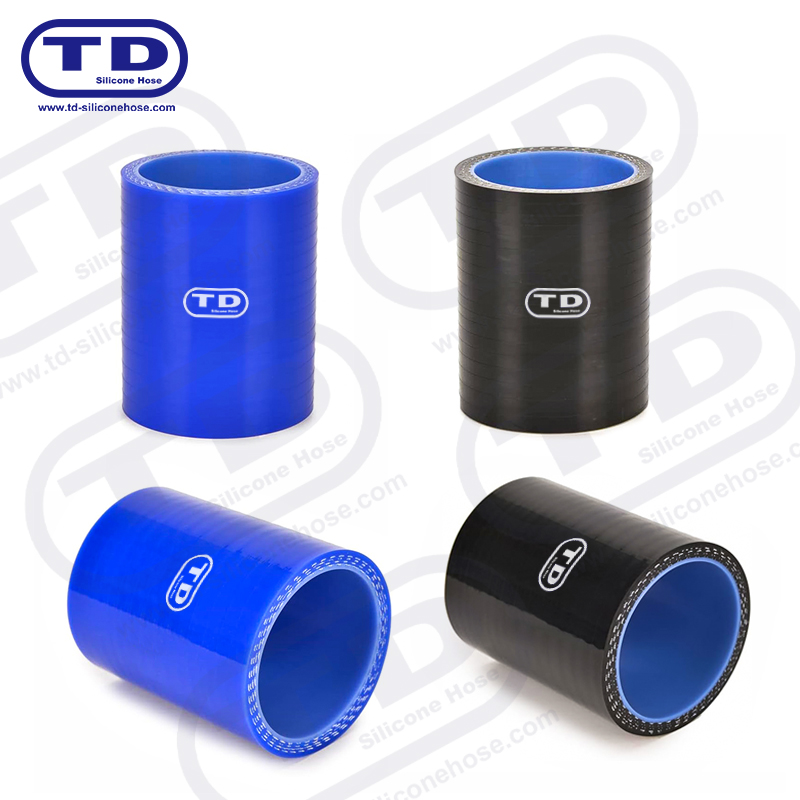 Customizable Straight Silicone Hoses for Flexible RoutingVersatile straight silicone tubes with multiple reinforcement layers allow you to build tidy, durable custom layouts when combined with elbow joints.View Product →
Install and Secure the Molded Hose
After you have shaped your hose, test fit it several times before clamping anything. Slide the hose over the metal neck, leaving equal coverage on both sides. Use a smooth motion; do not twist the hose.
- Use a hose clamp that matches the hose diameter and the fitting profile.
- Position the clamp behind the bead or raised part of the fitting.
- Tighten the clamp just enough to seal, then re-check after the engine reaches operating temperature.
Watch for kinks. If you see the inside wall collapse or the hose flat-spot, your bend radius is too tight. Go back to the elbow-fitting method.
When to Choose a Pre-Made Silicone Radiator Hose
Sometimes the smartest move is to reach for a pre-formed silicone radiator hose. If the original hose follows a complex S-curve or has multiple outlets, a purpose-built hose for your vehicle will save hours of fiddling and reduce the risk of leaks. At our factory, we produce silicone radiator hoses in standard and custom shapes for cars, trucks, buses, and motorcycles. For many projects, the best answer is a straight silicone hose plus preformed elbows and aluminum connectors. This gives you almost unlimited routing options while keeping the finished engine bay clean.
Final Thoughts
Molding a radiator hose is a useful skill, but it is about preparation, material choice, and knowing when to stop. Use accurate measurements, respect the bend radius, and choose a hose that matches your temperature and pressure needs. If a route becomes too complicated, do not hesitate to combine straight and elbow silicone hoses with quality fittings. That approach is used by many professional builders, and it will give you a durable, leak-free cooling system.
Our Product //
Ningbo Tiandai Auto Parts Co., Ltd. All Rights Reserved. ALL RESERVED.
Wholesale Automotive Silicone Hose Manufacturers
