

 English
 中文简体
中文简体 русский
 Español
 عربى
عربى
Submit feedback
How to Select the Right Silicone Reducer Coupler Hose for Your Vehicle or Equipment
Industry news-Content
When it comes to enhancing the performance, reliability, and durability of your vehicle or industrial equipment, the right choice of components is crucial. One such often-overlooked but highly significant part is the silicone reducer coupler hose. Whether you're upgrading the intake system of a high-performance vehicle or managing fluid transfer in an industrial setup, selecting the correct silicone reducer coupler hose can make a noticeable difference.
What is a Silicone Reducer Coupler Hose?
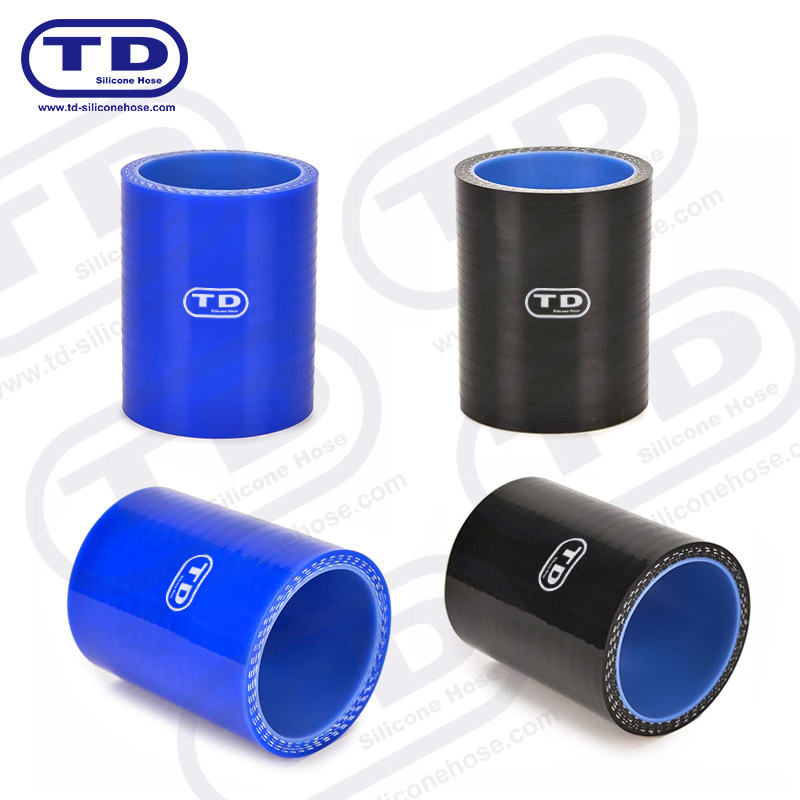
A silicone reducer coupler hose is a type of flexible hose that connects two pipes or tubes of different diameters. Made from high-quality silicone rubber, these hoses are often used in automotive, industrial, and HVAC systems to facilitate the transition between different pipe sizes while ensuring a secure, leak-free connection.
Silicone rubber, known for its flexibility, heat resistance, and durability, is particularly useful in environments that involve high temperatures, pressure, and frequent vibration. Silicone reducer coupler hoses are commonly used in applications such as engine intake systems, cooling systems, turbochargers, and exhaust systems. Their primary role is to reduce or increase the diameter of a pipe or tube while maintaining a tight, secure fit and ensuring efficient airflow or fluid transfer.
Key Factors to Consider When Selecting the Right Silicone Reducer Coupler Hose
When choosing the best silicone reducer coupler hose for your vehicle or equipment, several important factors need to be considered. These factors will ensure you select the right hose that meets your performance and operational requirements.
Material Quality and Temperature Resistance
The quality of silicone used in the hose plays a significant role in determining its durability and performance. Silicone rubber is favored for its excellent resistance to heat, chemicals, and ozone, which is essential for high-temperature and high-stress environments.
- Temperature Range: Silicone hoses can generally withstand a temperature range of -50°F to 500°F (-46°C to 260°C), making them suitable for most automotive and industrial applications. When choosing a hose, it's essential to ensure that the silicone material is designed to handle the maximum operating temperature of your equipment or vehicle.
- Chemical Resistance: If your system involves exposure to specific chemicals, oils, or fluids, it’s important to check whether the silicone rubber is compatible with those substances. High-quality silicone hoses are resistant to a wide range of automotive and industrial fluids, including coolant, oil, and fuel.
Size and Dimensions
The primary function of a silicone reducer coupler hose is to connect pipes or tubes of different sizes. Therefore, accurate sizing is critical to ensure proper fitment and performance. Silicone reducer coupler hoses are available in various diameters and lengths, so understanding the required dimensions is essential.
- Inner Diameter (ID): The inner diameter of the hose should match the sizes of the pipes or tubes you are connecting. Measure the pipe diameters accurately to avoid selecting a hose that’s too tight or too loose. A proper fit ensures minimal airflow resistance, optimal fluid transfer, and a secure connection.
- Outer Diameter (OD): The outer diameter of the hose is important for determining how it fits within clamps, connectors, or fittings. Ensure that the outer diameter of the silicone reducer coupler hose matches the required specifications for your setup.
- Length: The length of the hose should be long enough to reach both components it’s connecting without excessive strain or kinking. Take into account the layout of the piping system to ensure that the hose length is appropriate for the space.
Pressure and Performance Requirements
The pressure ratings of the hose are another important consideration, particularly for high-performance or industrial applications. Silicone hoses are available in different pressure ratings, and it is essential to choose one that can handle the system’s operating pressure.
- Working Pressure: Determine the maximum operating pressure of your vehicle’s intake system or equipment. Silicone reducer coupler hoses are typically designed to handle pressures from low to moderate ranges, but in high-performance vehicles or industrial systems, you may need a hose rated for higher pressures.
- Burst Pressure: In addition to working pressure, the burst pressure (the pressure at which the hose may fail) should also be considered. Choose a hose with a burst pressure rating that is higher than your system’s maximum operating pressure to ensure safety and reliability.
Flexibility and Bend Radius
Flexibility is one of the standout features of silicone reducer coupler hoses. Their ability to bend without compromising the connection or performance makes them ideal for use in tight spaces or complex piping systems. However, it’s essential to choose a hose with the correct bend radius for your setup.
- Bend Radius: The bend radius is the minimum curve the hose can make without kinking or losing its ability to transfer air or fluid efficiently. A smaller bend radius is essential for tight spaces or areas with intricate routing, but be cautious not to bend the hose too sharply, as this can create stress points and reduce longevity.
Clamps and Fittings Compatibility
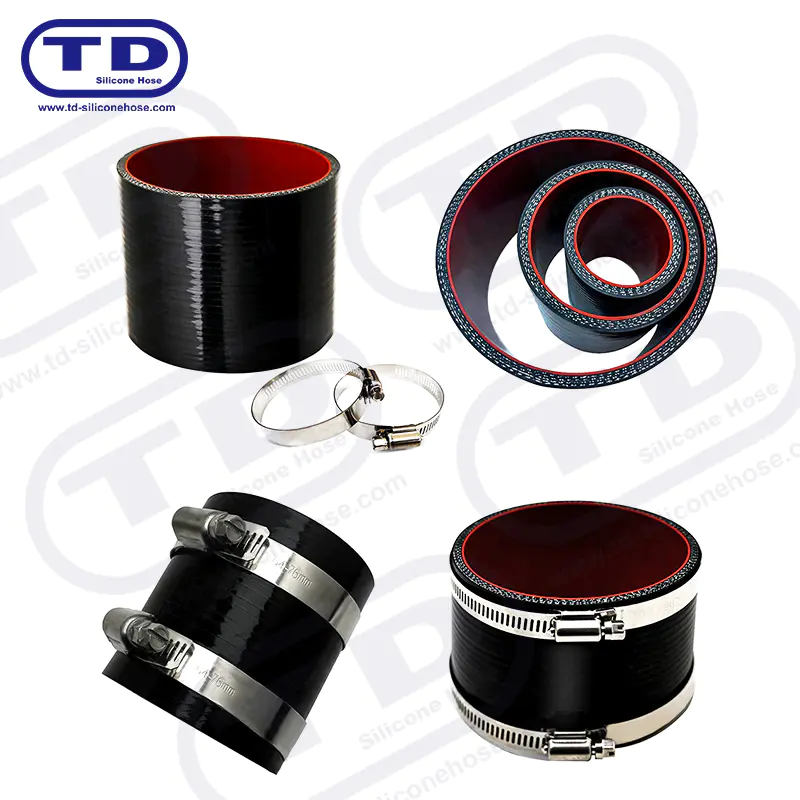
A silicone reducer coupler hose is typically held in place by clamps or fittings that secure the hose to the pipes or tubes. It’s important to ensure that the hose you select is compatible with the clamps or fittings you plan to use.
- Clamp Size: Choose clamps that are sized appropriately for the hose and pipe diameters. Using the wrong clamp size can result in leaks or poor sealing.
- Fittings: If you are using specialized fittings, ensure that the hose’s size and material are compatible with the fittings. Some silicone hoses are designed to fit with specific types of fittings, so check that the hose will work with your existing components.
Reinforced Hoses for Heavy-Duty Applications
For certain applications, especially those involving high-pressure or high-stress environments, reinforced silicone hoses may be required. These hoses feature a braided reinforcement layer, typically made of materials like polyester, fiberglass, or steel, which helps improve their strength and durability.
- Applications: Reinforced silicone reducer coupler hoses are often used in high-performance automotive systems, such as turbocharged engines, as well as industrial setups where high-pressure or heavy-duty performance is required. These reinforced hoses are less likely to collapse under pressure or wear out under intense conditions.
Cost vs. Quality Considerations
While it can be tempting to opt for the cheapest option when choosing a silicone reducer coupler hose, the long-term performance and durability of the hose are much more important factors. High-quality silicone hoses are designed to last longer, resist wear and tear, and maintain consistent performance even under harsh conditions.
- Investing in Quality: Investing in a high-quality silicone reducer coupler hose will save you money over time by reducing the frequency of replacements and minimizing the risk of leaks or failures in your system. Consider well-established brands that offer proven performance, as their hoses are likely to provide better longevity and reliability.
Common Applications of Silicone Reducer Coupler Hoses
Silicone reducer coupler hoses are commonly used in various applications across multiple industries. Some of the most prevalent uses include:
- Automotive: Silicone reducer coupler hoses are commonly found in the intake and cooling systems of cars, trucks, and performance vehicles. They are used to connect different diameter pipes, such as between the turbocharger and intake manifold, or between the radiator and engine coolant pipes.
- Racing and Performance: High-performance racing vehicles and motorsport teams often rely on silicone reducer coupler hoses to improve airflow and performance. These hoses can withstand high temperatures and pressures, making them ideal for high-performance applications.
- Industrial Equipment: In industrial systems, silicone reducer coupler hoses are used for fluid and gas transfer between equipment with different sized connectors, such as compressors, pumps, and filtration systems.
- HVAC: Silicone hoses are used in HVAC systems for ventilation and air conditioning applications, connecting ducts and vents of varying sizes while maintaining efficient airflow.
Our Product //
Ningbo Tiandai Auto Parts Co., Ltd. All Rights Reserved. ALL RESERVED.
Wholesale Automotive Silicone Hose Manufacturers
