

 English
 中文简体
中文简体 русский
 Español
 عربى
عربى
Submit feedback
Reinforced Turbo Intercooler Intake Piping Improves Airflow and Reduces Lag
Industry news-Content
- 1 Understanding Turbo Intercooler Systems
- 2 How Reinforced Turbo Intercooler Intake Piping Improves Airflow
- 3 The Role of Silicone Intercooler Tubes
- 4 Advantages Over Standard Intake Piping
- 5 Applications in Automotive Performance
- 6 Market Trends Driving Adoption
- 7 Advantages for Manufacturers and Suppliers
In the world of performance vehicles and turbocharged engines, every component of the intake and intercooler system plays a critical role in engine efficiency, power delivery, and overall drivability. Among these components, Reinforced Turbo Intercooler Intake Piping and Silicone Intercooler Tubes have emerged as key upgrades for automotive enthusiasts, tuners, and OEM manufacturers seeking improved airflow, reduced turbo lag, and enhanced reliability under extreme conditions.
As a leading manufacturer and supplier of Reinforced Turbo Intercooler Intake Piping and Silicone Intercooler Tubes, we have observed growing demand from both aftermarket enthusiasts and high-performance vehicle manufacturers. These components are not only essential for boosting performance but also provide long-term durability and reliability for modern turbocharged engines.
Understanding Turbo Intercooler Systems
Before diving into the benefits of reinforced piping, it is important to understand the function of a turbo intercooler system. Turbocharged engines compress air to increase oxygen intake, which in turn boosts power output. However, compressed air becomes heated, reducing its density and efficiency.
An intercooler cools this compressed air before it enters the engine, improving combustion efficiency and power output. The piping that connects the turbocharger, intercooler, and intake manifold is equally important. Any restrictions, bends, or flexible weak points in this piping can negatively affect airflow, leading to turbo lag and reduced engine performance.
Reinforced Turbo Intercooler Intake Piping and Silicone Intercooler Tubes address these issues by providing durable, high-flow pathways for pressurized air, ensuring consistent turbo performance even under extreme conditions.
How Reinforced Turbo Intercooler Intake Piping Improves Airflow
Smooth, Optimized Internal Surface
Standard factory piping often uses thin metal or plastic with rough internal surfaces. These imperfections create turbulence, reducing airflow efficiency. In contrast, Reinforced Turbo Intercooler Intake Piping features a smooth, optimized internal surface that minimizes resistance and allows air to flow more freely from the turbocharger to the intake manifold.
- Reduced turbulence increases volumetric efficiency.
- Optimized airflow reduces pressure drops, ensuring more consistent boost levels.
- Enhanced engine response improves throttle feel and overall performance.
By improving airflow, reinforced piping helps turbocharged engines achieve their full potential with faster response and higher peak power.
Stronger Material and Construction
Reinforced Turbo Intercooler Intake Piping is typically made from high-strength metals, such as mandrel-bent aluminum, or multi-layer composites reinforced with carbon fiber or steel. These materials provide:
- Resistance to deformation under high boost pressures.
- Minimal flexing, which reduces energy loss and air leaks.
- Longer lifespan compared to stock piping or unreinforced aftermarket alternatives.
The combination of strength and rigidity ensures that the piping maintains optimal airflow even during high-performance driving or motorsport conditions.
Consistent Boost Pressure
Turbo lag—the delay between pressing the accelerator and feeling the turbo’s response—is often caused by restrictions or expansion in weak piping. Reinforced Turbo Intercooler Intake Piping maintains a consistent, rigid pathway, reducing lag and improving throttle response.
- The reinforced design prevents the piping from expanding under pressure, maintaining consistent airflow velocity.
- Reduced lag allows for quicker acceleration and more precise engine control.
- Tuners and performance drivers experience smoother power delivery, enhancing drivability.
Customizable and Precision-Fit Designs
Manufacturers produce Reinforced Turbo Intercooler Intake Piping to fit specific turbocharger setups and intercooler configurations. Precision-fit piping ensures:
- Proper alignment with all engine components.
- Minimal bends and smooth transitions that maintain airflow efficiency.
- Compatibility with performance modifications such as larger intercoolers or upgraded turbos.
Custom designs maximize airflow and reduce energy losses, offering a clear advantage over generic, off-the-shelf piping.
The Role of Silicone Intercooler Tubes
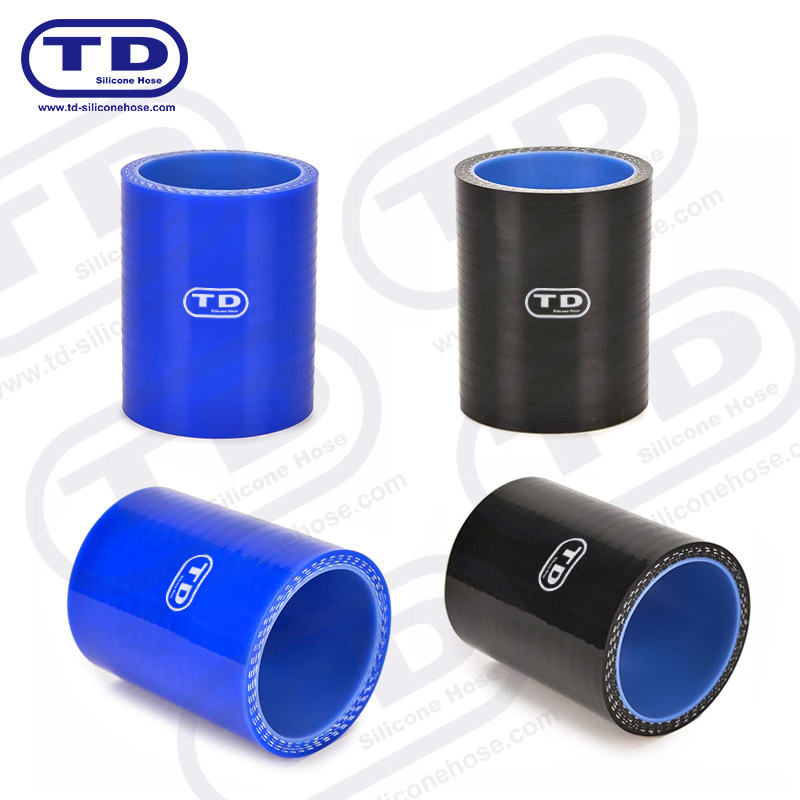
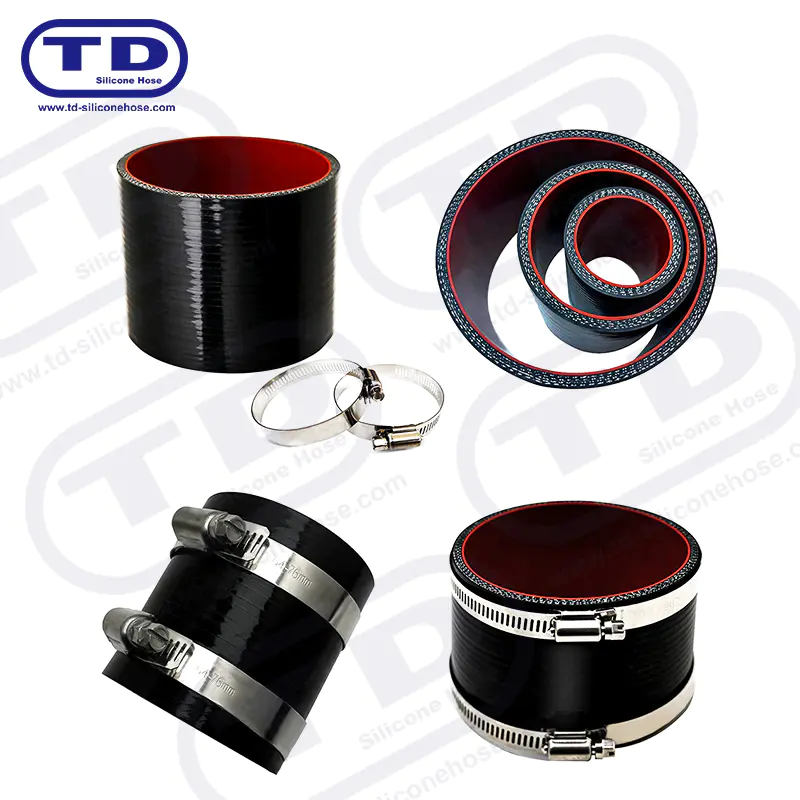
While reinforced piping provides rigid pathways, flexible connections are still necessary at joints and tight engine bay locations. This is where Silicone Intercooler Tubes complement reinforced piping:
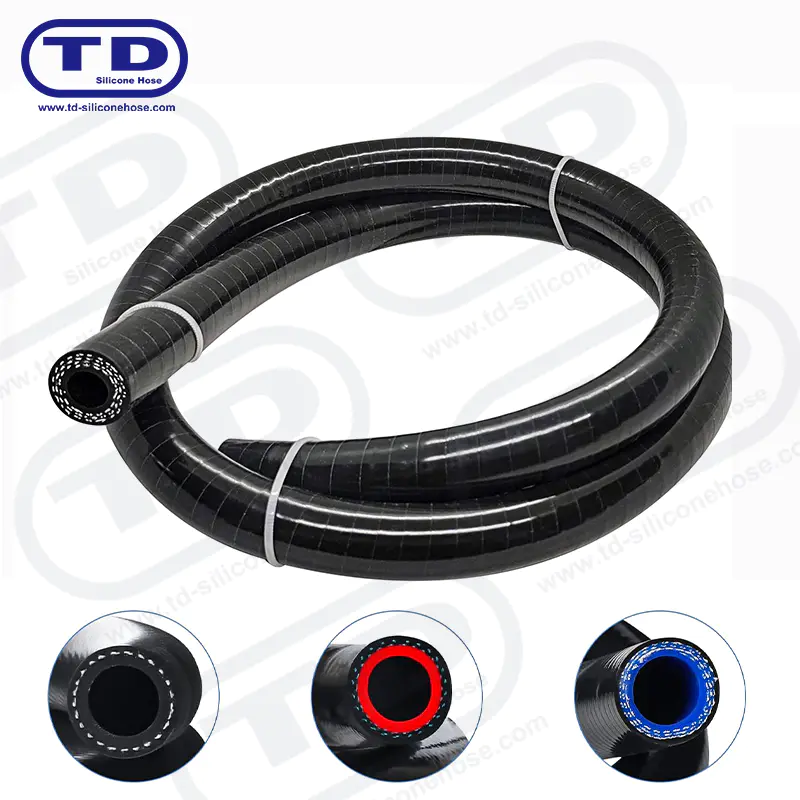
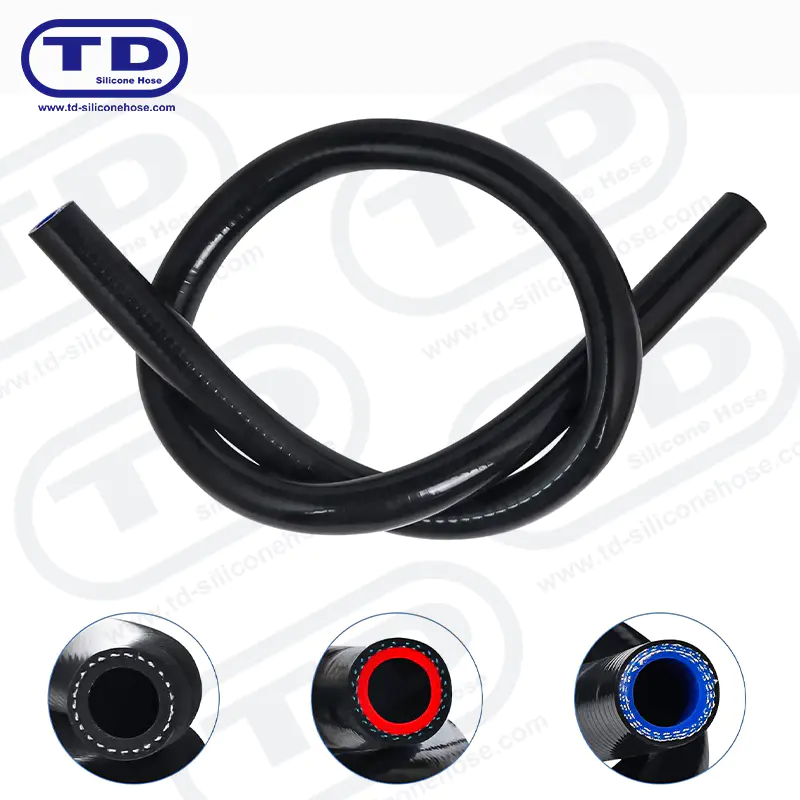
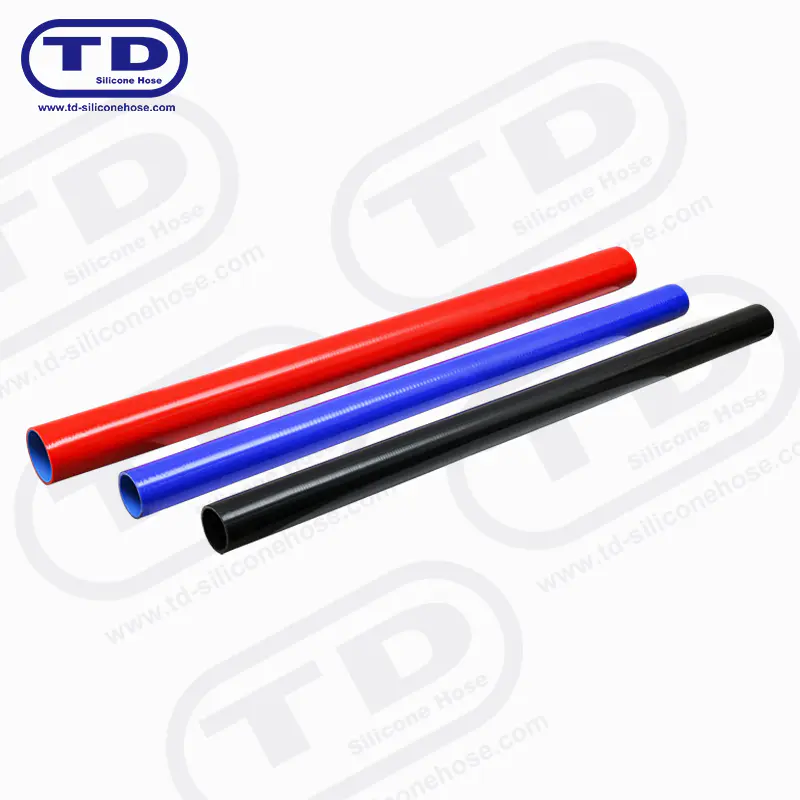
- Made from high-grade silicone, these tubes can withstand extreme temperatures and pressures.
- Flexible design accommodates engine vibrations and slight misalignments without compromising airflow.
- Resistant to oil, coolant, and chemical exposure commonly found in engine bays.
By combining Reinforced Turbo Intercooler Intake Piping with high-quality Silicone Intercooler Tubes, automotive enthusiasts achieve a balanced system that maximizes airflow, reduces turbo lag, and ensures long-term durability.
Advantages Over Standard Intake Piping
Compared to stock piping, reinforced and silicone intercooler solutions offer:
- Higher Pressure Tolerance – Handles increased boost from aftermarket turbo upgrades without deformation.
- Reduced Leakage – Reinforced construction and quality silicone reduce the risk of leaks that compromise engine performance.
- Enhanced Heat Resistance – Maintains efficiency even under high thermal loads from prolonged turbo use.
- Improved Engine Response – Faster throttle response and reduced turbo lag.
- Longer Lifespan – Durable materials reduce maintenance and replacement frequency.
These advantages make Reinforced Turbo Intercooler Intake Piping a critical investment for any performance vehicle or high-boost engine application.
Applications in Automotive Performance
Reinforced Turbo Intercooler Intake Piping and Silicone Intercooler Tubes are widely used in:
Street Performance Cars
Enthusiasts looking to upgrade their turbocharged vehicles often install reinforced piping to improve airflow and throttle response without compromising daily drivability.
Motorsport and Racing
Track vehicles experience extreme boost pressures and high RPMs. Reinforced piping ensures reliability and consistent airflow, essential for competitive racing applications.
Aftermarket Engine Builds
When tuning turbocharged engines with upgraded turbos, intercoolers, or intake systems, stock piping often becomes a bottleneck. Reinforced Turbo Intercooler Intake Piping allows the engine to achieve its full performance potential.
OEM and High-Performance Manufacturers
Some vehicle manufacturers integrate reinforced piping or high-quality silicone connections into their factory designs for high-performance trims, ensuring better airflow, reduced lag, and enhanced reliability.
Market Trends Driving Adoption
Several trends have increased demand for reinforced turbo piping and silicone tubes:
- Rise in Turbocharged Vehicles – Modern cars increasingly use turbochargers for efficiency and power.
- Aftermarket Tuning Culture – Enthusiasts demand reliable performance upgrades that improve airflow and response.
- Motorsport Technology Transfer – Racing innovations are being adopted in street and aftermarket applications.
- Durability and Reliability Focus – Drivers prioritize components that can withstand extreme conditions and maintain consistent performance.
- Customization Opportunities – Custom piping and silicone tubing allow for tailored performance upgrades, increasing adoption among enthusiasts and tuning shops.
These factors make reinforced turbo piping and silicone tubing indispensable in modern high-performance vehicles.
Advantages for Manufacturers and Suppliers
For manufacturers and suppliers, Reinforced Turbo Intercooler Intake Piping represents a high-value product line:
- High demand from tuners, performance shops, and OEMs.
- Opportunities for both wholesale and aftermarket sales.
- Potential for customization, including polished finishes, powder coatings, and logo branding.
- Lightweight, durable components reduce shipping costs and improve customer satisfaction.
Investing in high-quality materials and precision manufacturing ensures that suppliers maintain a competitive edge in the growing performance parts market.
Our Product //
Ningbo Tiandai Auto Parts Co., Ltd. All Rights Reserved. ALL RESERVED.
Wholesale Automotive Silicone Hose Manufacturers
