

 English
 中文简体
 русский
 Español
 عربى

Submit feedback
How Long Do Radiator Hoses Last on a Car? Lifespan & Replacement Signs
Industry news-Content
If you’ve ever asked yourself, “How long do radiator hoses last on a car?” you already know there’s no one-size-fits-all answer. Some original hoses stay in service for well over a decade, while others begin to fail after just a few years. As a silicone hose manufacturer with years of experience in cooling-system parts, we’ve seen hoses that look new after ten years and hoses that crumble after four. The difference usually comes down to materials, driving conditions, and how regularly the system is inspected.
What Is a Radiator Hose and Why Does It Matter?
Radiator hoses — also called coolant hoses — are flexible tubes that carry engine coolant between the radiator, engine block, and heater core. They have to stand up to extreme temperature swings, constant pressure cycling, vibration, and chemical exposure. When a radiator hose fails, the result is usually an overheating engine, a sudden coolant leak, and potentially serious engine damage.
Most vehicles have at least two radiator hoses: an upper one that carries hot coolant from the engine to the radiator, and a lower one that returns cooler coolant back to the engine. There may also be smaller heater hoses running into the cabin. All of them face similar stresses and deserve the same level of attention.
That’s why understanding the expected lifespan of these hoses is so important, and why a small crack on the surface can be an early warning you shouldn’t ignore.
So, How Long Do Radiator Hoses Last on a Car?
A reasonable rule of thumb is five to ten years for ordinary rubber hoses. Many factory-installed rubber coolant hoses have a planned service life in that range. However, hoses made from silicone or other high-performance materials can last considerably longer — often 15 years or more — especially if the cooling system is well maintained.
That wide range is normal because coolant hoses are not mechanical parts with a set replacement interval like a timing belt. They are wear items whose life depends on environmental stress, coolant condition, and the quality of the hose itself.
Mileage is less straightforward. Because coolant hoses degrade with age and heat exposure rather than just distance, some manufacturers recommend replacement at around 100,000 miles regardless of how the hoses look. But a hose that spends its life in a temperate climate with clean coolant and gentle driving may easily exceed that estimate.
| Hose Material | Typical Lifespan | Key Characteristics |
|---|---|---|
| Standard rubber (EPDM) | 5–10 years | Flexible, but vulnerable to ozone and heat |
| Reinforced rubber hose | 8–12 years | Extra layers improve resistance to pressure |
| Silicone hose (standard) | 10–15+ years | Handles higher heat, resists aging and cracking |
| Reinforced silicone hose | 15+ years | Best resistance to pressure, heat, and flexing |
These figures are only starting points. A hose that sits close to a turbocharger or in an area with high under-hood temperatures may age much faster than one at the front of the engine bay. For comparison, many radiator caps and thermostats are designed for similar service intervals, so if you’re replacing one, it’s often easiest to replace the other at the same time.
Factors That Affect Radiator Hose Lifespan
Several variables can shorten or extend radiator hose life. Here are the most important ones to watch.
- Material quality: Cheap hoses may use lower-grade rubber that hardens and cracks quickly. High-quality silicone compounds resist heat, ozone, and coolant additives much better.
- Coolant condition: old or contaminated coolant becomes acidic and can eat hoses from the inside out. Regular coolant flushes are essential.
- Operating temperature: consistent high heat, turbochargers, heavy loads, and stop-and-go traffic all stress hoses more.
- Pressure: an overpressurized cooling system (from a bad radiator cap or a head gasket issue) can eventually blister or burst a hose.
- Oil and fuel exposure: oil leaks dripping onto a hose can soften and swell the rubber until it fails.
- Vibration and movement: poorly supported hoses rub against other components or fatigue from engine movement.
- Climate: in cold climates, hoses flex less and can become brittle; in hot climates, heat and UV exposure take a bigger toll.
Driving style also matters. A vehicle that spends its life in city traffic with repeated heat cycles will stress hoses more than one that cruises on highways. Track use or towing adds even more load.
Why Material Choices Matter So Much
If you’re replacing a radiator hose, the material you choose often determines when you’ll have to do the job again. Standard rubber hoses are cheap and work fine for a few years. Silicone hoses offer better heat resistance and longer service life, which is why so many drivers and enthusiasts prefer them for modified cars, turbocharged engines, and race vehicles.
We consistently see silicone hoses outlive conventional rubber in demanding applications, but only if the system is properly maintained. No hose, regardless of material, survives forever if coolant is neglected or an engine regularly runs hot.
Signs Your Radiator Hoses Need Replacement
Rather than waiting for a specific number of years, it’s far smarter to inspect your radiator hoses regularly. Warm up the engine, but be careful while checking, and look for these warning signs.
- Visible cracks or cuts on the outer surface, especially near the ends or clamps.
- Bulges or blisters that feel like weak spots when you squeeze the hose.
- Hard or brittle texture — a healthy hose should feel springy, not rock-hard.
- Soft, spongy sections that indicate the inner liner is breaking down.
- Swollen ends that look as if the hose is about to burst.
- Coolant leaks or stains around the hose connections.
- Sweet coolant smell or a coolant level that drops for no apparent reason.
- Dashboard temperature climbing or the heater blowing less warm air than usual.
To get a feel for hose condition, squeeze the hose when the engine is cool. It should feel firm but slightly pliable. If it feels brittle, like a dried out pretzel, or so soft that you can compress it flat, that is a red flag.
Any of these signs mean the hose should be replaced soon, even if it hasn’t failed completely.
Replacement Tips and Choosing a Better Hose
If you do need to replace a radiator hose, there are a few simple practices that can make the new one last longer. Always replace the hose clamps at the same time — old clamps can lose tension and create a leak. Clean the metal fittings with a wire brush so the new hose seals evenly. And use a coolant that meets your vehicle’s specification.
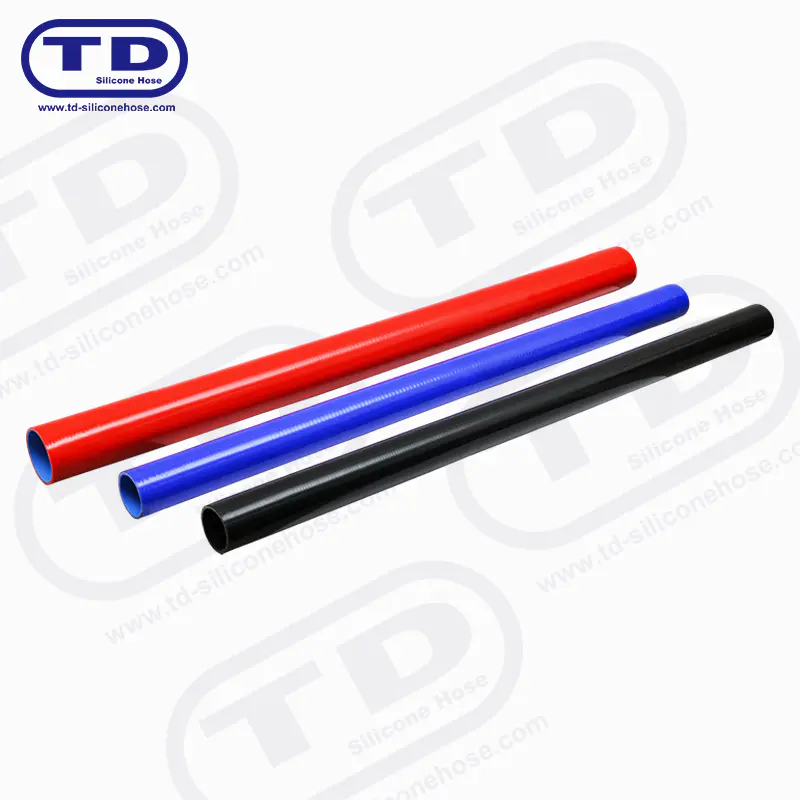
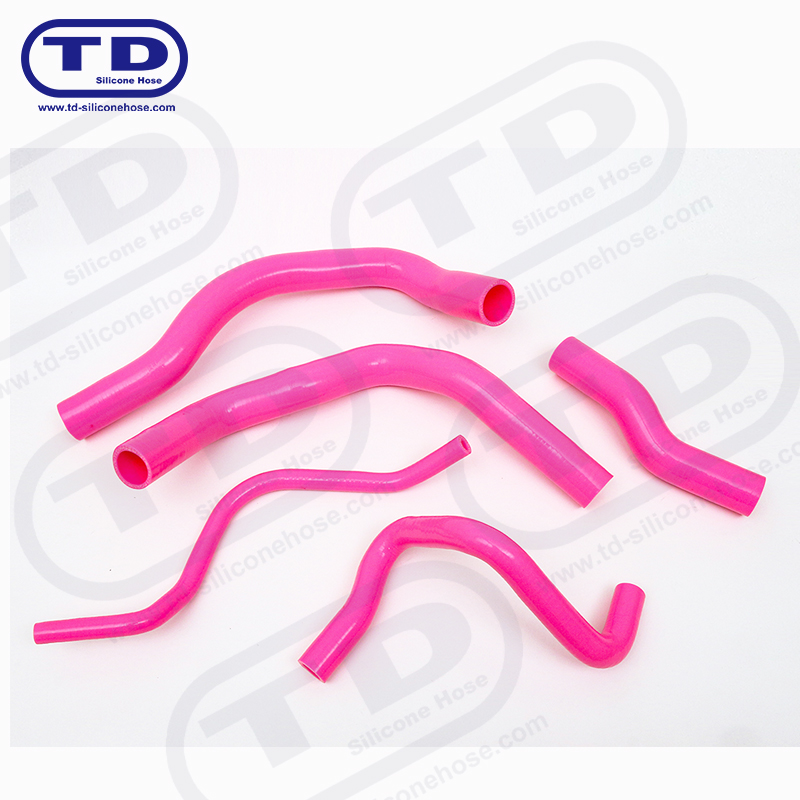 Silicone Radiator Hoses for Durable Cooling System RepairsReplace worn rubber hoses with silicone units that resist heat and hardening. This product page details sizes, reinforcements, and temperature ratings for reliable cooling.View Product →
Many owners choose silicone radiator hoses as a replacement because the material handles higher temperatures and resists age-related hardening far better than standard rubber. A properly made silicone hose can provide years of reliable service, especially when paired with good quality clamps.
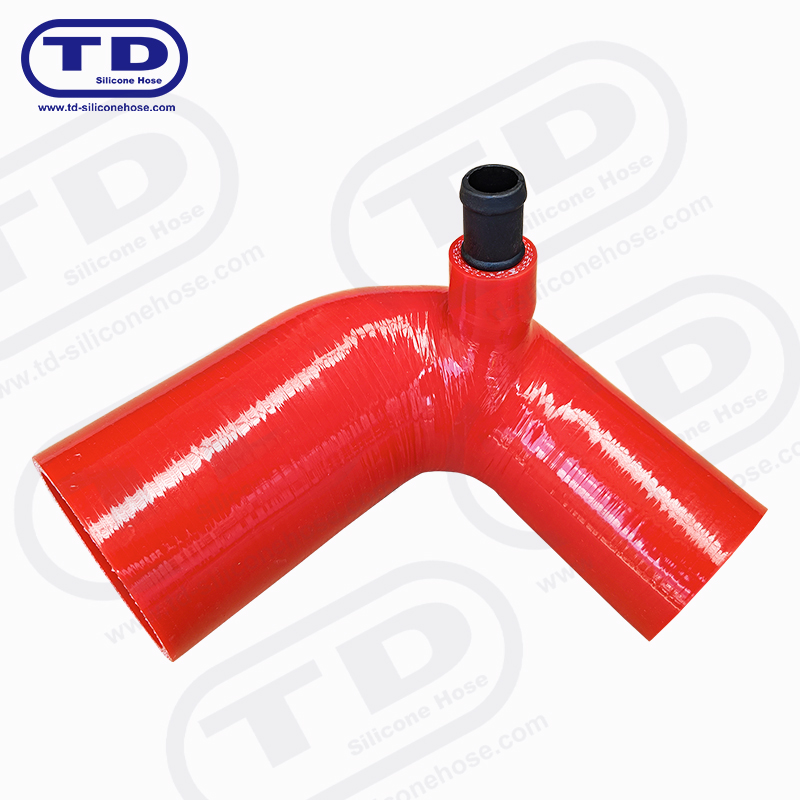 Complete Silicone Hose Kits for Upper and Lower Radiator LinesThis kit pairs both radiator hoses in one set, ensuring consistent material quality and a simpler full-system refresh during your cooling system maintenance.View Product →
For a complete refresh, a kit that includes both upper and lower radiator hoses can save time and ensure both ends of the system get the same high-quality material. Whichever route you choose, follow the manufacturer’s instructions for torque and positioning.
After installing a new hose, start the engine and let it reach operating temperature with the radiator cap off (if the bleed procedure allows). Watch for bubbles and top off the coolant. Leaks will usually show up as drips at the clamps.
If you’d like to see how a dedicated manufacturer approaches hose construction, our silicone hose range at Ningbo Tiandai Auto Parts is built around durability and consistent quality. But even the best hose needs proper installation and routine coolant changes to last as designed.
So how long do radiator hoses last on a car? For many drivers, five to ten years is a realistic expectation with rubber hoses, while high-quality silicone hoses can stretch that to 15 years or more. The most important thing is to inspect your cooling system regularly and address warning signs early.
We’ve manufactured silicone hoses for years, and we always tell our customers the same thing: a hose is only as reliable as the rest of the cooling system. Keep your coolant fresh, use quality clamps, and replace hoses before they fail rather than after.
Our Product //
Ningbo Tiandai Auto Parts Co., Ltd. All Rights Reserved. ALL RESERVED.
Wholesale Automotive Silicone Hose Manufacturers
