

 English
 中文简体
 русский
 Español
 عربى

Submit feedback
How Many Heater Hoses Are in a Car? Sizes, Counts, and Replacement Guide
Industry news-Content
- 1 The Straight Answer: Most Cars Have Two Heater Hoses
- 2 Why the Heater Circuit Needs Two Hoses
- 3 When the Number Goes Beyond Two
- 4 Common Sizes and Routing Details
- 5 How to Confirm the Count on Your Own Vehicle
- 6 What Material Are Your Heater Hoses Made Of?
- 7 Don't Forget the Clamps and Fittings
- 8 Counting Hoses Is Only the First Step
Most car owners eventually ask about the hoses snaking around the engine bay, and "how many heater hoses are in a car?" is one of the most common questions we hear. As a manufacturer of silicone hoses for cooling and heating systems, this is right in our wheelhouse. The short answer is that most cars have two heater hoses, but the number can go up depending on the vehicle's layout, heating features, and thermal management design. Let's walk through it so you can check your own car with confidence.
The Straight Answer: Most Cars Have Two Heater Hoses
For the overwhelming majority of passenger cars, crossovers, and light trucks, the answer is two. One hose delivers hot coolant from the engine to the heater core, a small radiator inside the dashboard. The second hose returns the coolant from the core back to the engine's cooling system. Together, they provide cabin heat and windshield defrosting without disturbing the main radiator loop.
You can usually spot them at the back of the engine bay, running toward the firewall. They are often held by a shared clip or bracket and end near the heater core connections on the passenger side of the bulkhead. Trace two hoses from the engine into the firewall, and those are almost certainly your heater hoses.
Why the Heater Circuit Needs Two Hoses
Understanding the number is easier when you understand the flow. The engine's water pump pushes coolant through the block and head, where it picks up heat. Once the thermostat opens, most coolant heads to the radiator to shed heat, but a portion is diverted through a hose leading to the heater core. Air blown across the hot core becomes the warm air from your vents. After giving up heat, coolant leaves the core through the second hose and rejoins the cooling circuit.
That is why heater hoses come in pairs: one supply, one return. Even vehicles with dual-zone climate control, electronically controlled water valves, or auxiliary coolant pumps follow the same principle. The number of hoses generally matches the number of separate heater cores or supply and return branches in the cooling loop.
When the Number Goes Beyond Two
Two is the norm, but many vans, SUVs, and pickup trucks with rear-seat climate control have a rear heater core, which adds two extra hoses routed under the vehicle or through the interior. That brings the total to four. Heavy-duty trucks and motorhomes can have even more complex systems, pushing the count above four.
| Vehicle type | Typical number of heater hoses | What to look for |
|---|---|---|
| Compact or mid-size car | 2 | Supply and return to the front heater core |
| SUV, van, or pickup with rear heating | 4 | Extra pair to the rear heater core |
| Heavy-duty truck, bus, or motorhome | 4 to 6 or more | Multiple cores and zones |
| Hybrid or EV with a heat pump | 2, sometimes 1 | Simpler coolant path with electric heat |
Some engines also have a small bypass or bleed line in the heater circuit, especially with a water control valve. These lines help purge air or keep a small flow circulating. They are not usually counted as primary heater hoses, but you may see them on a parts diagram next to the main pair.
Common Sizes and Routing Details
Heater hoses come in a few standard inner diameters. The most common sizes are 5/8 inch and 3/4 inch for passenger vehicles, with 1 inch or larger on heavy-duty trucks and buses. Many European and Japanese models use metric dimensions such as 15mm, 16mm, or 18mm. Some vehicles use different sizes on the supply and return sides, so check both before ordering.
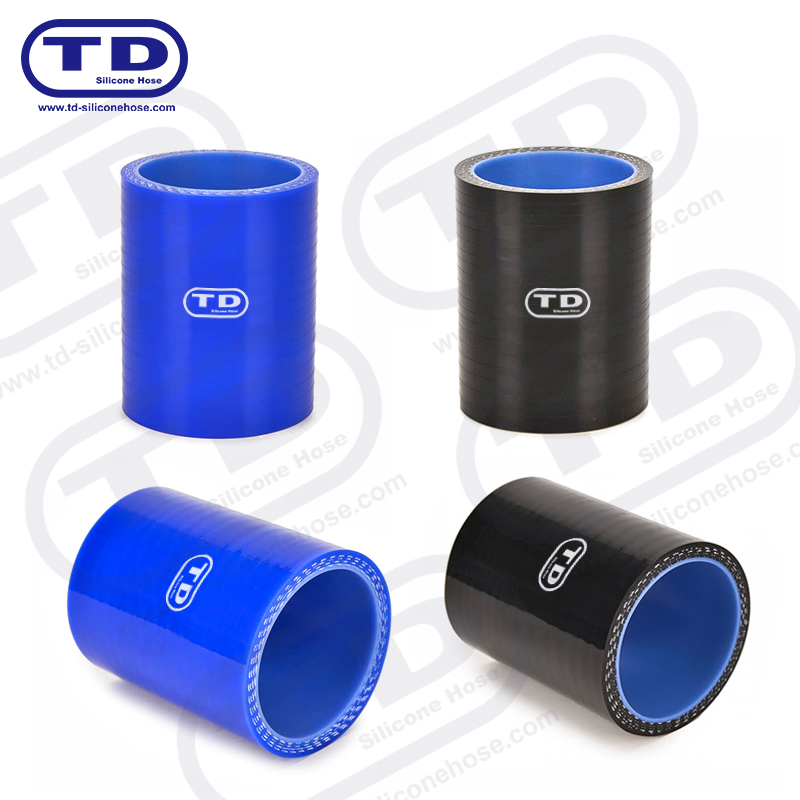
Routing also matters. Some heater hoses are straight enough to replace with bulk hose cut to length, while others use molded bends to clear tight engine-bay components. If your original has a molded curve, a straight silicone hose combined with a 90-degree elbow or reducer section can often work just as well.
How to Confirm the Count on Your Own Vehicle
- Make sure the engine is completely cool; the cooling system is under pressure when warm.
- Open the hood and look at the firewall between the engine and the cabin.
- Find the pair of hoses passing through the firewall, usually on the passenger side.
- Follow each hose to its connection at the engine or thermostat housing.
- Check under the car if rear heating is installed; a rear core means an extra pair.
- Look for cracks, soft spots, or dried coolant, which signal that replacement is due.
If you are not sure, an online parts diagram for your exact make, model, and engine confirms the heater circuit layout. Rear climate control changes the count, so a base model and a top-trim version of the same car may not have the same number of heater hoses.
What Material Are Your Heater Hoses Made Of?
Once you know the count, the next question is material. Factory heater hoses are usually reinforced EPDM rubber, which can last a long time. But rubber eventually hardens with heat, gets attacked by oil and coolant, and can collapse from the inside even when the outside still looks fine. Less flow means weak cabin heat.
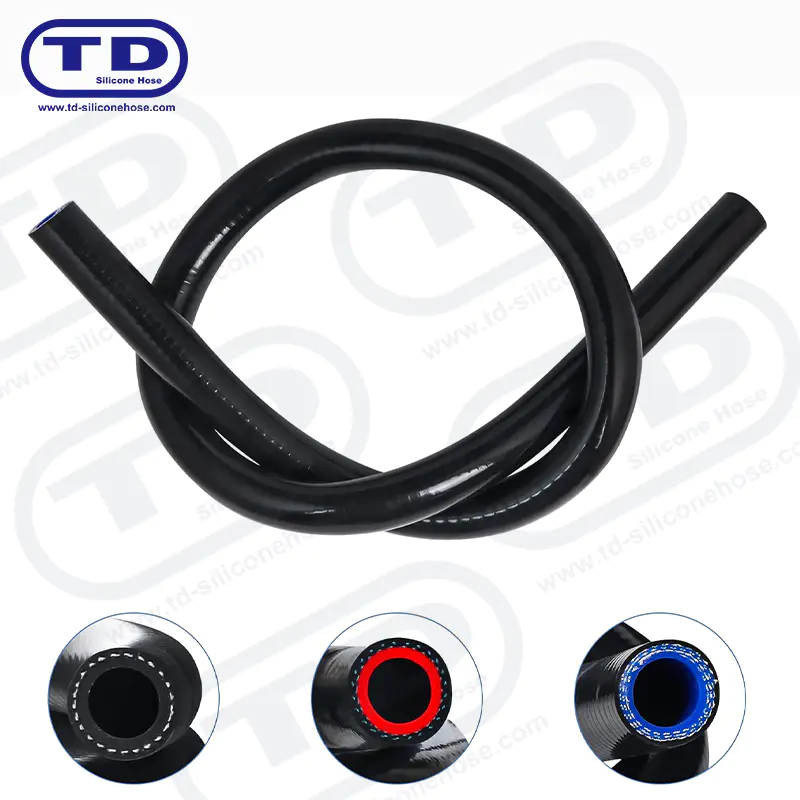
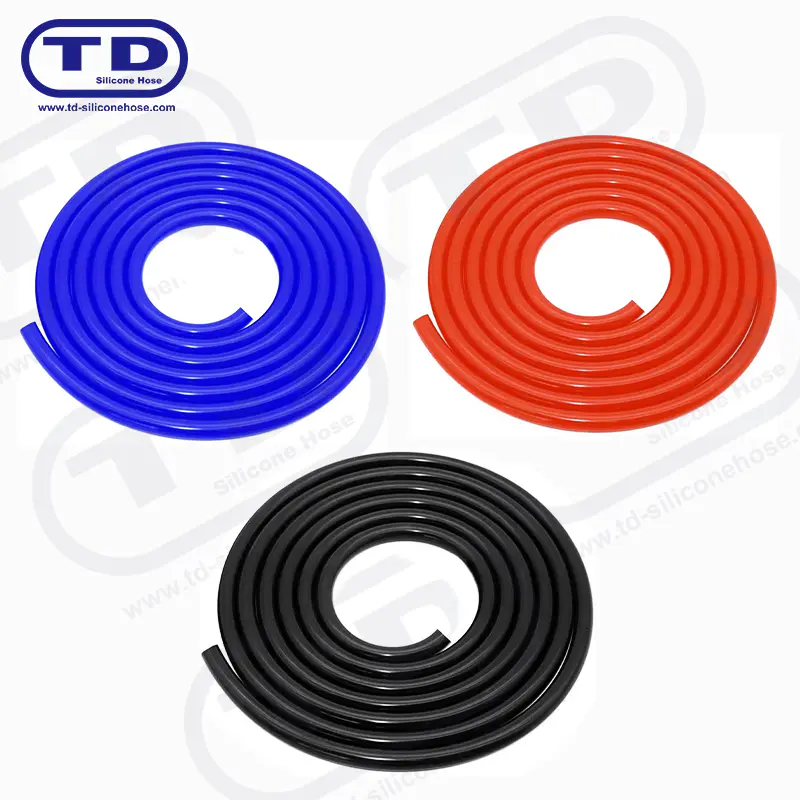
Silicone handles high under-hood temperatures without hardening as quickly, resists coolant and oil better, and holds its shape under vacuum and pressure. That is why enthusiasts and professional shops often switch to silicone hoses during a cooling-system refresh. If you are replacing heater hoses as part of a larger overhaul, a complete silicone hose kit can cover the entire cooling and heating circuit in one order.
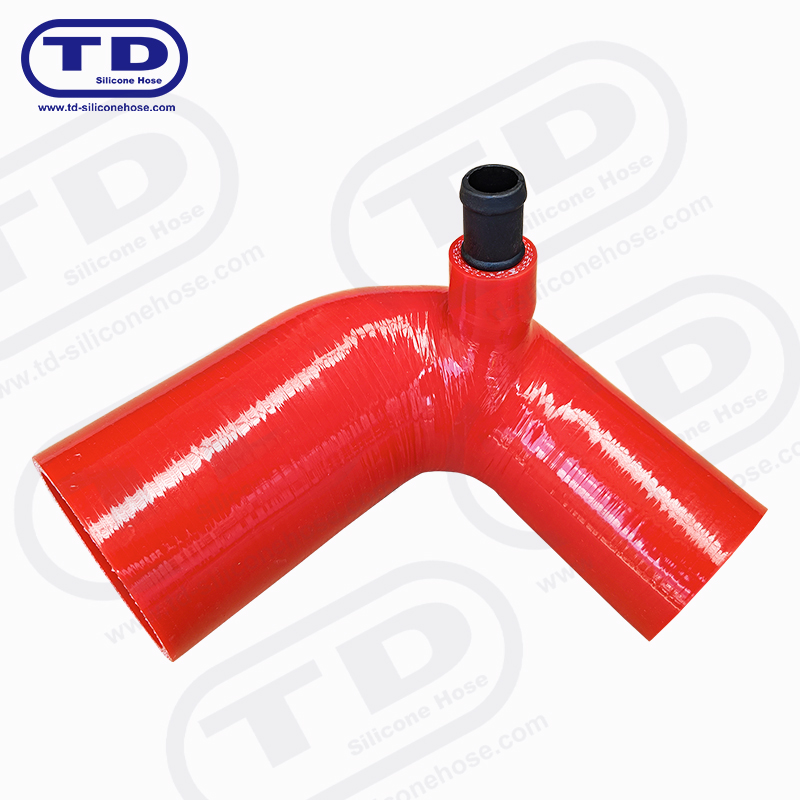 Complete Silicone Hose Kits for Full Cooling System OverhaulsThese application-matched kits cover the entire cooling and heating circuit in one order, using reinforced silicone that resists heat and coolant better than factory rubber.View Product →
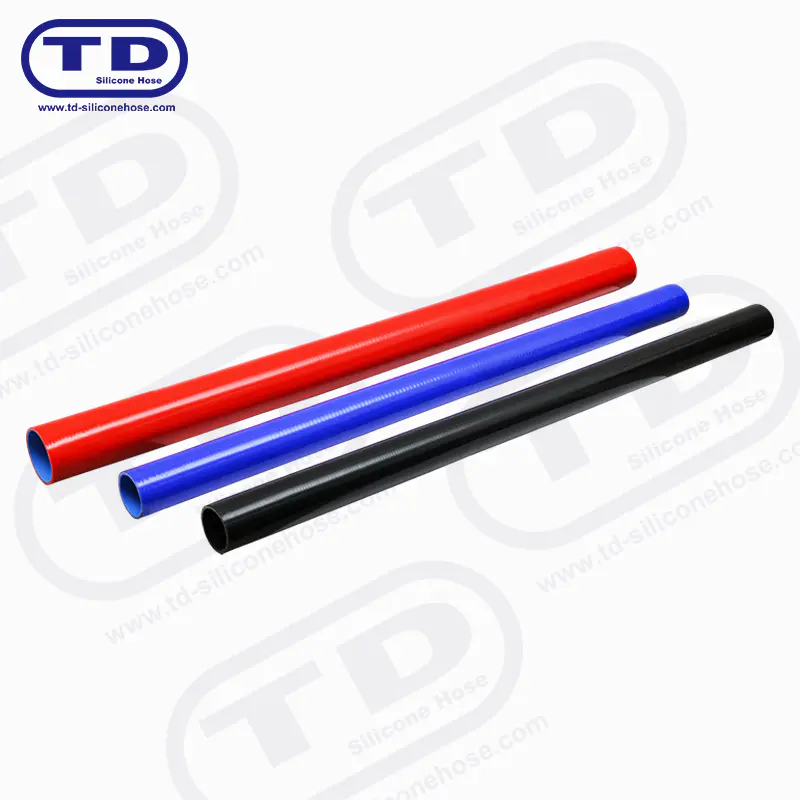
For a single damaged hose, a length of silicone straight hose can be trimmed to match the original routing as long as the inner diameter matches the fitting. This is a common approach on older cars where one heater hose has failed but the rest of the system is healthy.
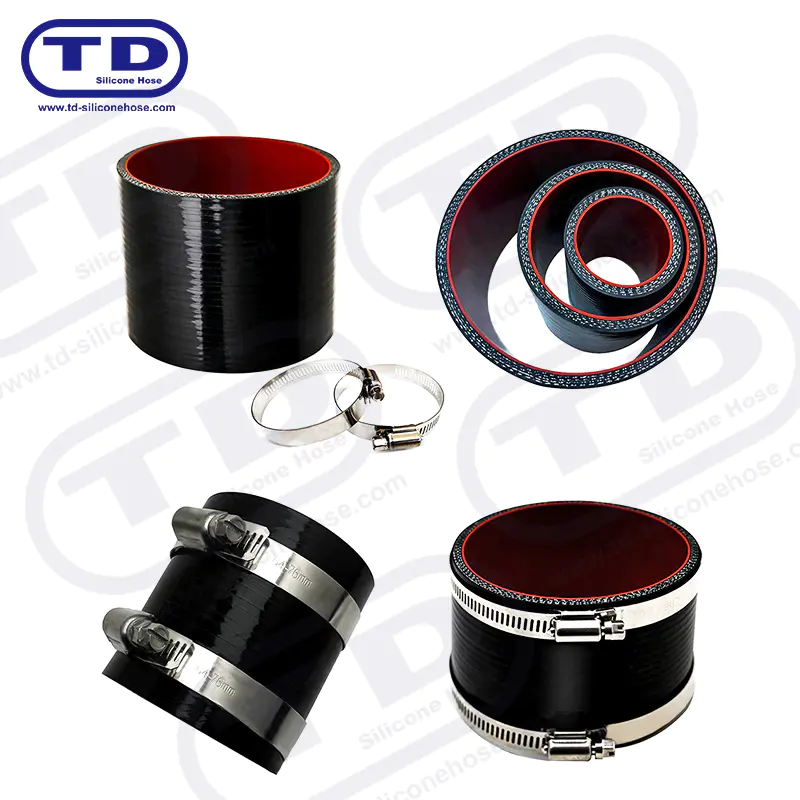
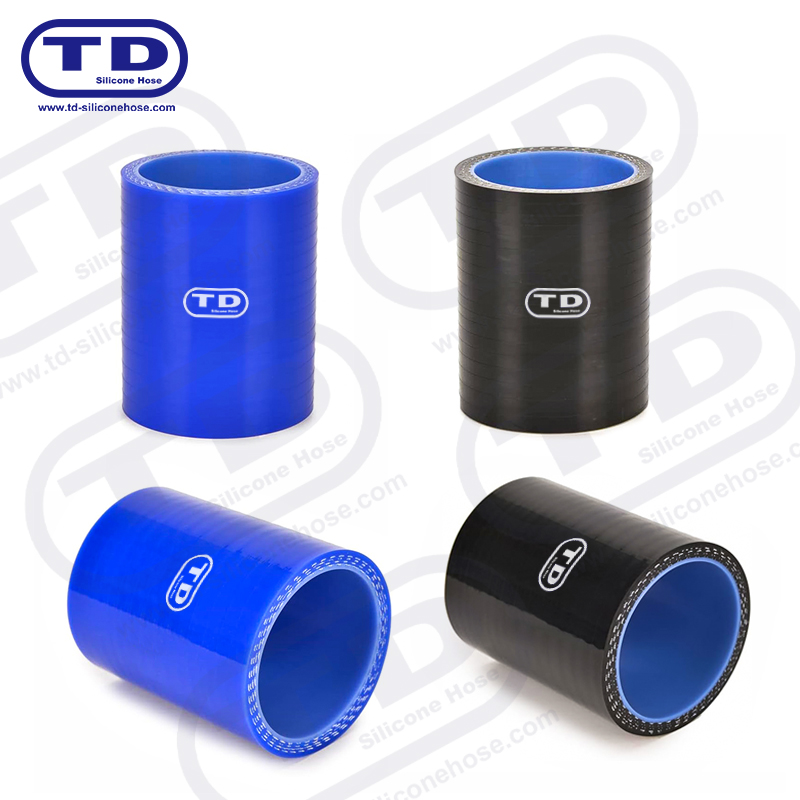 Universal Silicone Straight Hose for Custom Length ReplacementThis category offers straight silicone hose in various diameters and ply options, ideal for trimming to fit when only a single heater hose needs replacement.View Product →
Don't Forget the Clamps and Fittings
A new heater hose is only as good as the connection at each end. Factory spring clamps lose tension over time, and worm-gear clamps can be overtightened, cutting into soft silicone or rubber. Constant-tension clamps, including T-bolt styles, keep a reliable seal through hot-and-cold cycles. If you are replacing the hoses, it is worth replacing the clamps too.
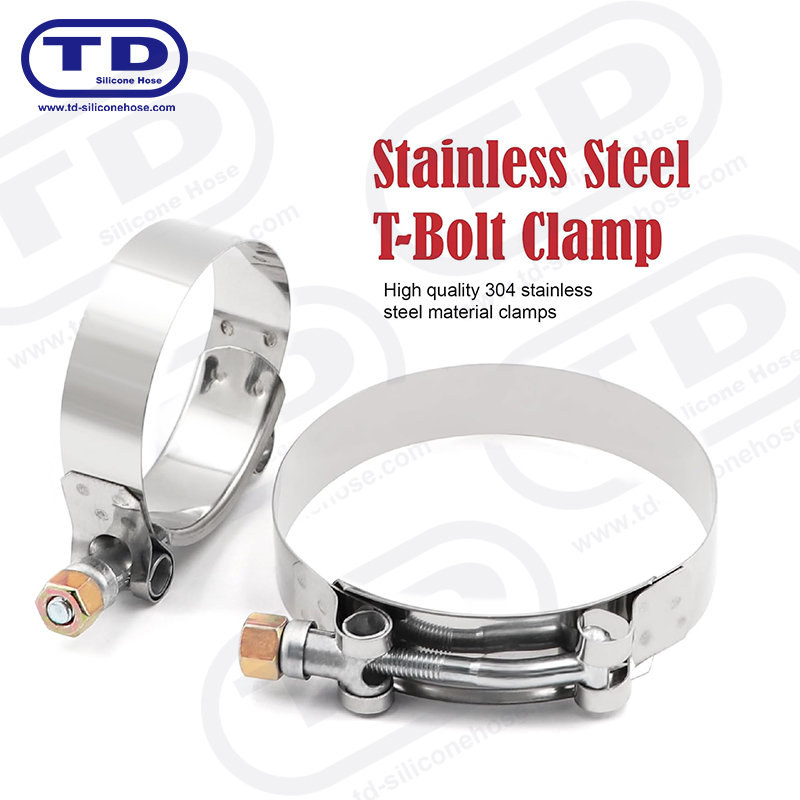 Heavy-Duty T-Bolt Clamps for Reliable Leak-Free SealingMade of SUS 304 stainless steel with a 360° tight fit, these constant-tension clamps maintain a secure seal through temperature cycles and vibration.View Product →
Heater core nipples are commonly brass, aluminum, or nylon, and some become brittle with age. A clean, burr-free fitting is essential for a leak-free connection. If the nipple is damaged, no clamp will make the hose seal properly.
Counting Hoses Is Only the First Step
The answer to "how many heater hoses are in a car" is usually two, occasionally four, and sometimes more on commercial vehicles. The more useful habit is to inspect what you have. Look for cracks near the clamps, soft spots along the length, and dried coolant residue; those are the clues that tell you when replacement is due.
When the time comes to refresh the system, choose materials and clamps that will last. As a silicone hose manufacturer, we build hoses for daily drivers, modified cars, trucks, and buses. If you are curious about the options for your project, explore our vehicle silicone hose range or reach out with your vehicle details and we will point you in the right direction.
Our Product //
Ningbo Tiandai Auto Parts Co., Ltd. All Rights Reserved. ALL RESERVED.
Wholesale Automotive Silicone Hose Manufacturers
