

 English
 中文简体
中文简体 русский
 Español
 عربى
عربى
Submit feedback
How to Cut Water Hose: Tips for Clean Cuts on Garden and Silicone Hoses
Industry news-Content
Few tasks look easier on paper than cutting a water hose. You grab a knife, slice through the rubber, and done. But anyone who has fitted a new connector onto a garden hose, or replaced a cracked silicone coolant line, knows that a careless cut can turn a five-minute job into a frustrating afternoon. A crooked edge, a crushed wall, or a frayed reinforcement layer can compromise the seal, restrict water flow, and eventually force you to redo the entire connection. In this guide, we will walk through the best tools, step-by-step techniques, and common pitfalls for cutting water hoses, from everyday garden hose to high-performance silicone hose, so you get clean, square, leak-free cuts every time.
Why Clean Cuts Matter
A water hose looks like a simple tube, but the quality of your cut determines whether the connection holds or drips. A square, even cut lets the hose seat fully onto a barbed fitting. If the cut is angled, one side of the hose may appear seated while the other side barely grips. Ragged edges create tiny channels where water can escape under pressure, and loose fibers can contaminate the system downstream.
For silicone hoses used in automotive cooling and heating systems, a clean cut is even more critical. These hoses operate under pressure and at high temperatures, so an uneven edge concentrates stress on one point and can eventually lead to cracking. When you cut a silicone radiator hose, you want the clamp to apply perfectly uniform pressure around the circumference. That only happens with a square, burr-free end.
At our plant in Ningbo, we manufacture silicone hoses for modified cars, racing cars, trucks, buses, and motorcycles. Take our car silicone radiator hose, for example: it is engineered for continuous coolant flow in demanding thermal conditions, but a clean, square cut is what allows it to seal properly on the radiator or thermostat housing.
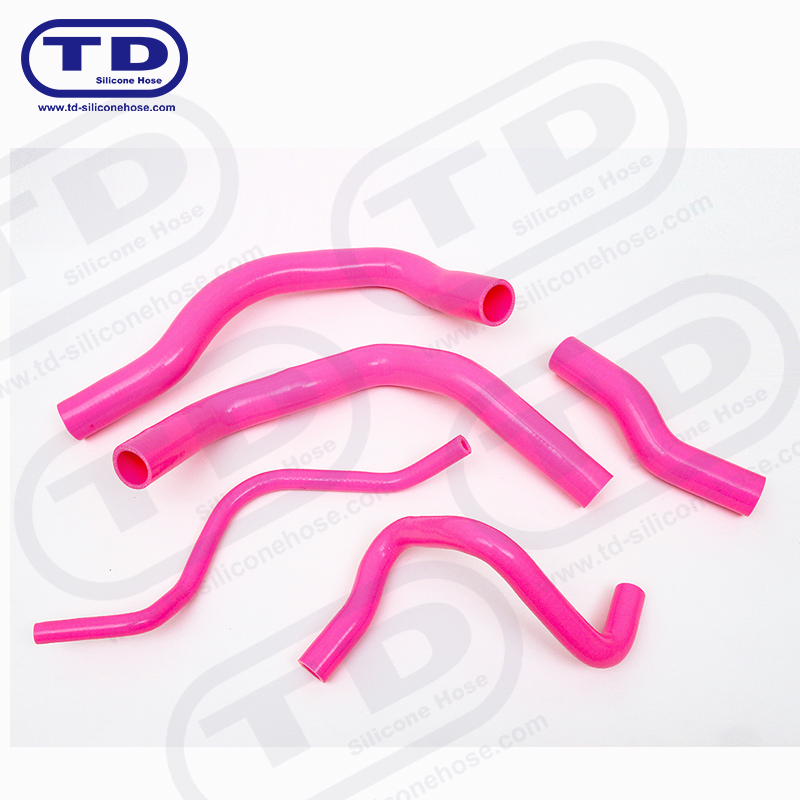 Wholesale Car Silicone Radiator Hose Kit Supplier with Multiple FitmentsThis supplier offers silicone radiator hose kits for a wide range of Japanese, European, American, and Korean cars, with reinforced layers and temperature tolerance, ideal for cooling system upgrades.View Product →
Choosing the Right Cutting Tool
The best tool depends on the hose material, diameter, and whether you can cut on a workbench or need to work in place. Here is a quick comparison of the options most people reach for:
| Tool | Best For | Key Advantages | Watch Out For |
|---|---|---|---|
| Utility knife | Most hoses, including silicone | Thin blade, precise control, inexpensive | Dull blades crush instead of cut |
| Sharp scissors or shears | Soft garden hose, small-diameter silicone | Fast, clean cut in one pass | Not ideal for thick or reinforced walls |
| Hose cutter | Rubber garden hose | Designed for square cuts, replaceable blade | Bulky for tight engine-bay spaces |
| Pruning shears | Quick garden hose repairs | Large cutting force, one-handed use | Can crush soft hoses if squeezed too fast |
| Hack saw | Wire-reinforced hose | Cuts through reinforcement layers | Leaves debris, requires deburring |
Whatever tool you choose, the golden rule stays the same: use a sharp blade, and support the hose so it does not deform while you cut.
How to Cut a Water Hose: Step by Step
Follow these steps for a clean, square cut on any water hose:
- Measure and mark. Wrap a piece of masking tape around the hose at the exact cutting point. The tape gives you a straight guide and keeps the blade from wandering.
- Position the hose. Lay it on a stable work surface. If you are cutting in place near an installed fitting, support the hose with one hand so it does not bend or roll.
- Score around the circumference. With a sharp utility knife, lightly score the tape line all the way around. This first pass creates a clean path and prevents the blade from skidding.
- Rotate and deepen. Turn the hose slightly and cut deeper along the scored line, repeating until you cut through the wall. For soft garden hose, one or two passes usually suffice; for reinforced silicone hose, several passes may be needed.
- Inspect the end. The cut end should be square and smooth. Trim any frayed fibers or loose material with a fresh blade.
- Deburr if needed. For hoses with fabric or wire reinforcement, clean the inner edge so no loose debris enters the system.
When you are cutting a silicone radiator hose in the engine bay, the same steps apply, but take extra care not to nick surrounding components. Measure the new hose against the old one, transfer the length, and cut on a flat section of the fender or on a workbench if you have enough slack.
Cutting Silicone Hoses: What Is Different
Silicone hoses behave differently from standard rubber garden hoses. The material is more elastic and more slippery, which makes a neat cut a bit more demanding. Yet the same principles apply, with three extra precautions.
First, always use an extremely sharp blade. A dull blade stretches silicone rather than cutting it, leaving a rough, wavy edge. Second, cut in one continuous motion with steady pressure, rotating the hose instead of forcing the blade straight through. Third, avoid squeezing the hose flat while you cut, because the two walls will shift and the cut will come out uneven. Inserting a short piece of rigid pipe inside the hose keeps it round and gives you a solid cutting surface.
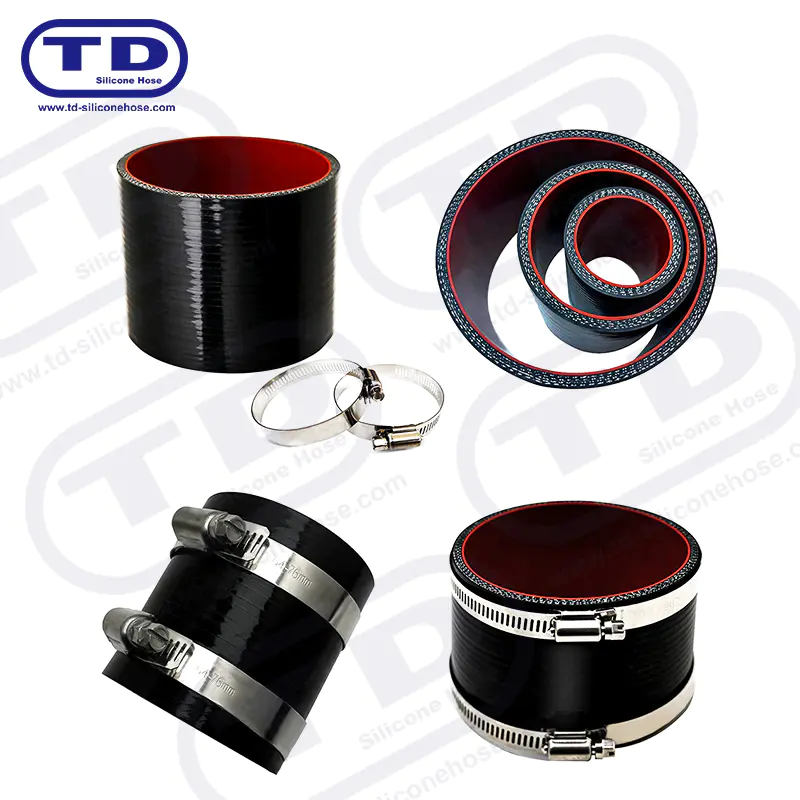
For silicone hoses used in automotive cooling systems, the quality of the cut matters even more because these hoses carry pressurized coolant at high temperatures. A clean cut on our silicone straight hose, for example, ensures that a standard worm-drive or t-bolt clamp can seat evenly and hold the hose firmly on the fitting. For more detail on the tools and techniques specific to silicone, see our guide on cutting silicone hoses.
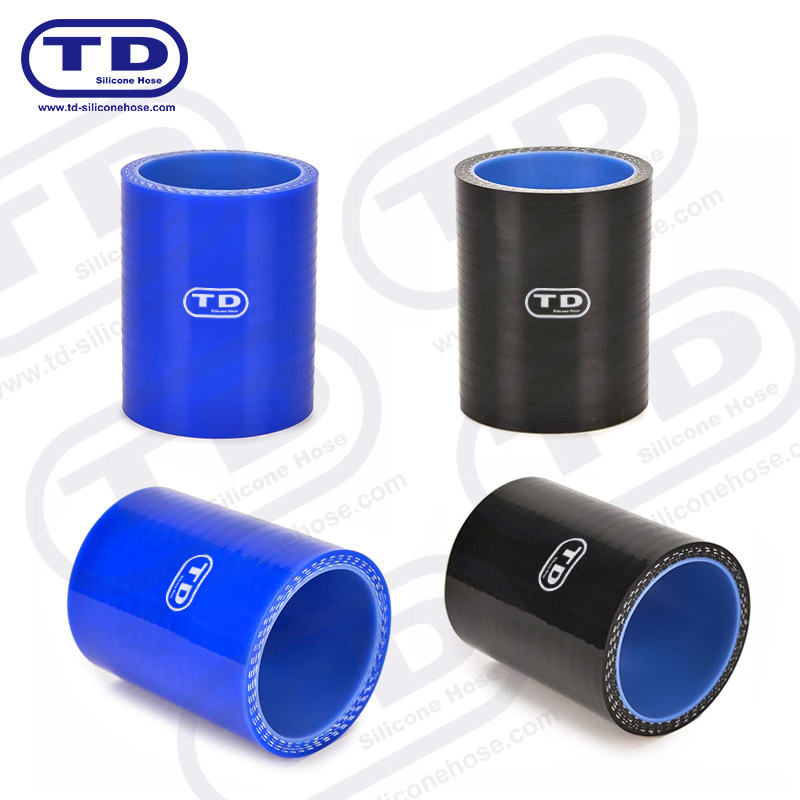 Wholesale Reinforced Silicone Straight Hose with High-Temperature ToleranceA versatile straight silicone hose coupler with multi-ply reinforcement and precision size tolerance, suited for turbo, intercooler, or intake piping where clean cuts ensure reliable clamping.View Product →
Common Cutting Mistakes to Avoid
Even experienced mechanics make these mistakes. Avoid them and you will save time, money, and frustration.
- Using a dull blade. A dull blade crushes instead of cutting. This is the number one cause of ragged hose ends.
- Cutting on an uneven surface. If the hose is not supported, it rolls or flattens as you cut, producing a lopsided end.
- Forcing the cut in one pass. Pushing hard through a thick hose tears the material. Use the rotating scoring technique instead.
- Cutting at an angle. An angled blade creates an elliptical opening that fits poorly on barbed fittings. Keep the blade perpendicular to the hose.
- Forgetting to deburr. Loose fibers and rubber shavings can block flow or damage sensitive components. Always clean the inner edge after cutting.
After the Cut: Reconnection and Sealing
A clean cut is only half the job. Once the hose is cut to length, you need to seat it on the fitting and secure it properly. For a garden hose, slide the connector onto the hose, then hand-tighten the nut and use a wrench for a snug final turn. For automotive silicone hoses, the process is slightly different.
Lubricate the inside of the hose and the outside of the fitting with soapy water or a silicone-based lubricant. This prevents the hose from binding on the barb. Push the hose onto the fitting until it bottoms out, then position the clamp so it sits between the barb and the end of the hose. Tighten evenly; over-tightening a worm-drive clamp on silicone can cut into the material.
Choosing the right clamp is just as important as making a clean cut. A narrow clamp digs into soft silicone, while a wide, smooth-band clamp distributes pressure evenly. For high-performance cooling systems, our t-bolt silicone hose clamps are a popular choice because they provide even clamping force over a wide surface and hold firmly under high pressure and temperature cycling. If you are new to installing clamps, our step-by-step hose clamp installation guide walks through the complete process.
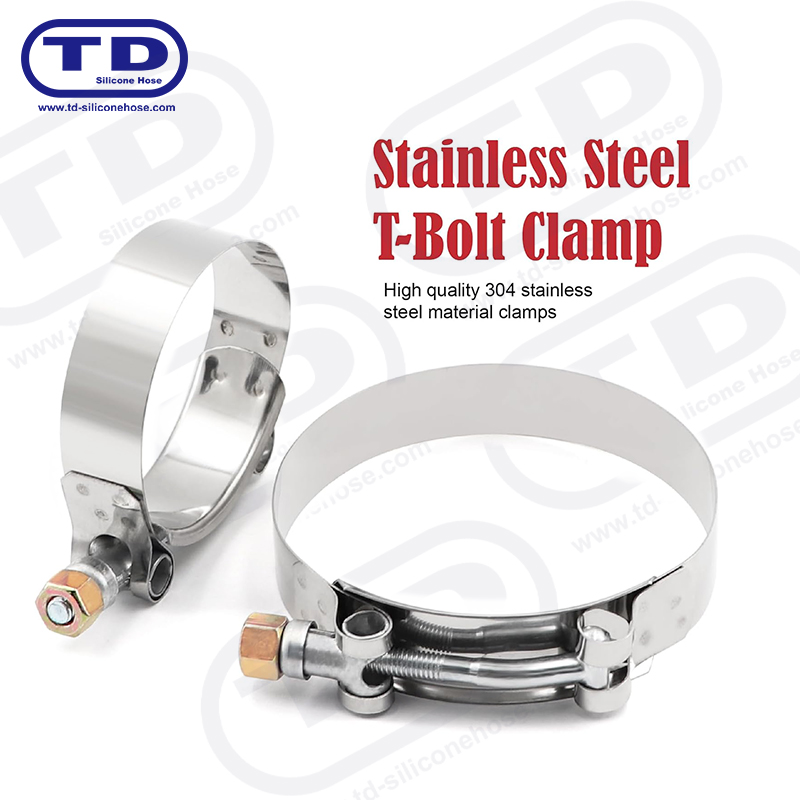 Heavy Duty T-Bolt Silicone Hose Clamp in Stainless SteelConstructed from SUS 304 stainless steel with a wide band for even pressure, this T-bolt clamp maintains grip under high pressure and temperature cycling, ideal for performance cooling systems.View Product →
Cutting a water hose well is not difficult, but it does require the right tool, a sharp blade, and a methodical approach. Whether you are repairing a garden hose, shortening a coolant line, or replacing a silicone radiator hose in your project car, a clean, square cut is the foundation of a leak-free connection. Measure carefully, support the hose, score and rotate, and inspect the end before you install the fitting. Your future self, and your cooling system, will thank you.
Our Product //
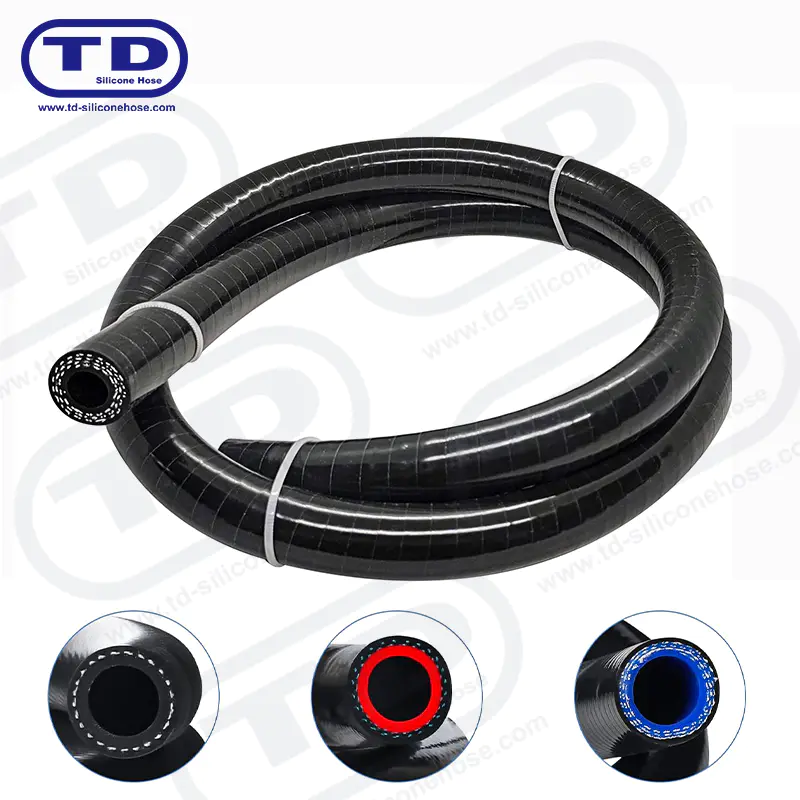
Ningbo Tiandai Auto Parts Co., Ltd. All Rights Reserved. ALL RESERVED.
Wholesale Automotive Silicone Hose Manufacturers
