

 English
 中文简体
中文简体 русский
 Español
 عربى
عربى
Submit feedback
What Is Silicone Hose Used For? Applications & Advantages
Industry news-Content
- 1 Automotive Applications: The Largest Market for Silicone Hose
- 2 Food and Beverage Processing: Hygiene and Safety Compliance
- 3 Medical and Pharmaceutical Uses: Biocompatibility Is Critical
- 4 Industrial Applications: Performance Under Demanding Conditions
- 5 Key Properties That Make Silicone Hose the Right Choice
- 6 Types of Silicone Hose Configurations
- 7 When Not to Use Silicone Hose
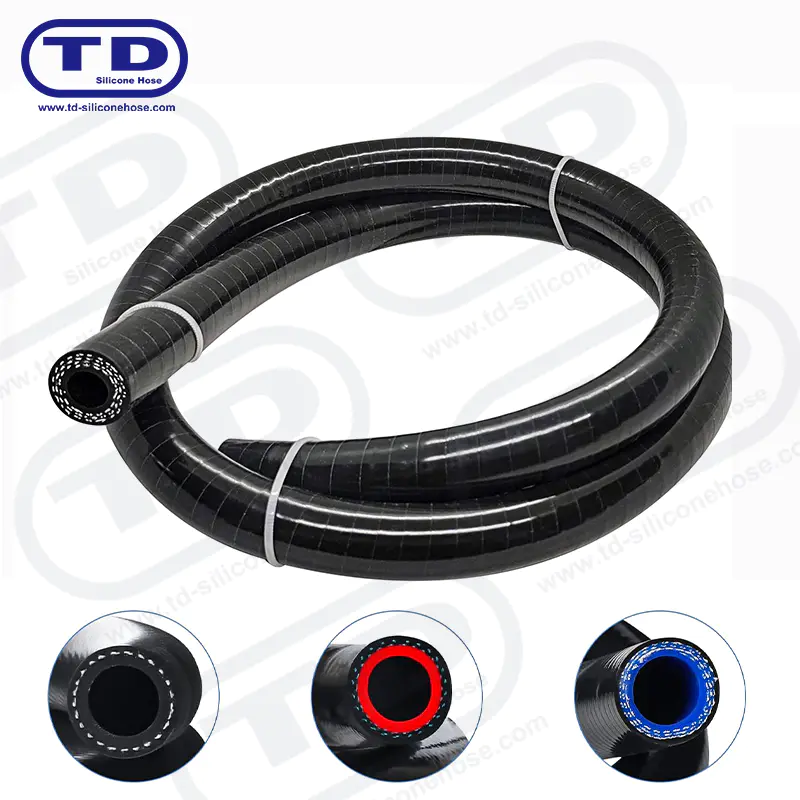
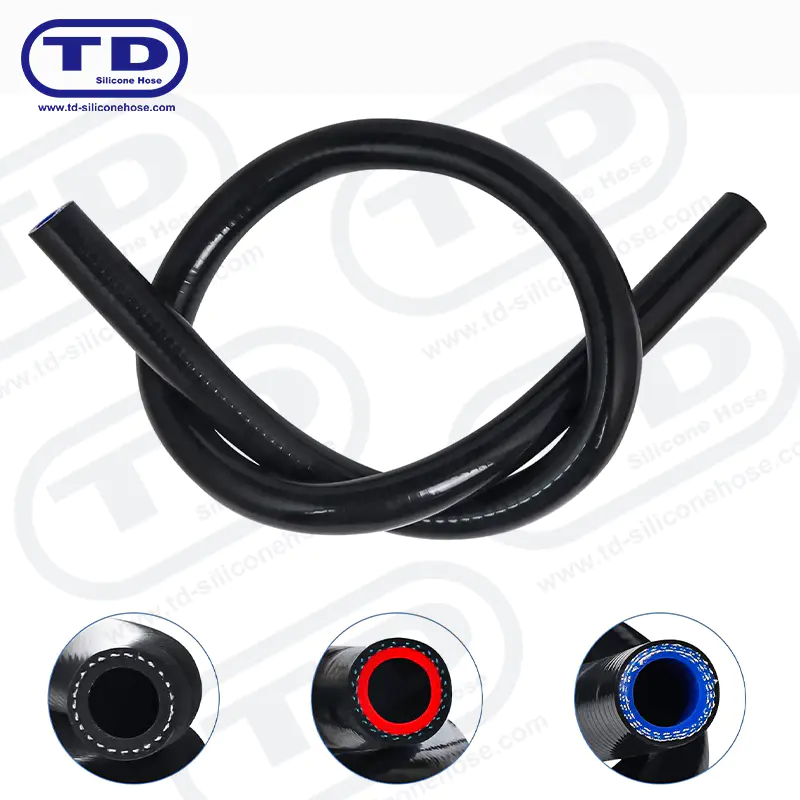
Silicone hose is used to transfer fluids, gases, and air in applications where extreme temperatures, chemical exposure, flexibility, and long service life are required—most commonly in automotive cooling and intake systems, food and beverage processing, pharmaceutical manufacturing, medical devices, and industrial equipment. Unlike rubber hoses that crack, harden, or degrade over time, silicone maintains its flexibility and structural integrity across a temperature range of −60°C to +220°C (−76°F to +428°F) continuously, with short-term spikes tolerated up to 260°C. This exceptional range, combined with low toxicity and high chemical inertness, makes silicone hose the preferred choice across more industries than any other flexible hose material.
Automotive Applications: The Largest Market for Silicone Hose
The automotive sector is the single largest consumer of silicone hose. Engine bay temperatures, vibration, and the need for precise fitment make silicone the material of choice for both OEM manufacturers and aftermarket performance upgrades.
Coolant and Radiator Hoses
Engine coolant circuits operate at sustained temperatures of 80°C–105°C with pressure spikes up to 20 psi. Standard EPDM rubber radiator hoses typically last 4–6 years before hardening, cracking, or swelling. Silicone radiator hoses maintain flexibility and pressure integrity for 10 years or more under identical conditions, making them standard equipment on many performance vehicles and a popular upgrade for daily drivers. Their reinforced construction—typically 3 or 4 plies of high-tensile polyester or aramid fabric embedded in the silicone wall—allows them to handle pressure surges without ballooning or splitting.
Turbocharger and Intercooler Charge Air Hoses
Turbocharged engines route compressed hot air from the turbocharger through intercooler piping before it enters the intake manifold. Charge air temperatures can reach 150°C–200°C at the turbo outlet, and boost pressures in modified performance applications commonly reach 25–30 psi. Silicone hose handles both extremes without the hose collapsing under vacuum on the intake side or blowing off under boost pressure. The flexibility of silicone also accommodates engine movement and vibration in ways that rigid alloy piping cannot, reducing stress on end connections.
Intake and Induction Systems
Silicone intake hoses connect air filters, mass airflow sensors, and throttle bodies. Smooth bore silicone hoses reduce turbulence in the airflow path compared to corrugated rubber alternatives, and their low permeability prevents unmetered air from entering the intake downstream of the MAF sensor—a common cause of rough running and incorrect fuel mapping. Silicone's dimensional stability under heat prevents the hose from collapsing or distorting at high underhood temperatures.
Heater Hoses and Brake Vacuum Lines
Heater hoses carry coolant from the engine to the cabin heater core. Their proximity to the exhaust system makes high-temperature resistance essential. Brake booster vacuum lines also benefit from silicone's resistance to ozone and UV degradation, which are the primary causes of failure in standard rubber vacuum lines on older vehicles.
Food and Beverage Processing: Hygiene and Safety Compliance
Food-grade silicone hose is widely used in the production, transfer, and packaging of food and beverages because it is non-toxic, odorless, tasteless, and does not leach chemicals into the products it carries. It meets the most stringent regulatory standards for food contact materials, including FDA 21 CFR 177.2600, EU Regulation 10/2011, and NSF/ANSI 51.
Beverage Transfer and Filling Lines
Breweries, wineries, dairy plants, and juice manufacturers use platinum-cured silicone hose for product transfer lines. Platinum curing (as opposed to peroxide curing) produces a purer silicone with no cure by-product residues, which is critical when the hose is in direct contact with beverages. Silicone's smooth internal bore minimizes product retention and bacterial adhesion, which is essential in CIP (Clean-In-Place) systems where the hose is cleaned in situ with hot water and caustic solutions.
Steam and Hot Water Lines in Food Processing
Silicone hose withstands repeated autoclave sterilization cycles at 121°C–134°C and extended CIP cleaning with hot water at 80°C–95°C, along with caustic soda (NaOH) solutions and peracetic acid sanitizers. Standard rubber or PVC hoses degrade rapidly under these repeated sterilization cycles, making silicone the only practical choice for lines that require frequent sanitization in compliance with food safety standards.
Peristaltic Pump Tubing
Peristaltic pumps—widely used in food, pharmaceutical, and laboratory applications—transfer fluid by compressing a flexible tube. The tube must withstand millions of compression cycles without cracking or deforming. Silicone tubing's elastic memory (ability to return to its original shape after deformation) makes it significantly more durable in peristaltic pump applications than PVC or rubber alternatives. A silicone pump tube typically lasts 3–5 times longer than a comparable PVC tube in continuous peristaltic service.
Medical and Pharmaceutical Uses: Biocompatibility Is Critical
Medical-grade silicone tubing is a cornerstone material in healthcare because it is biocompatible, non-pyrogenic, sterilizable by all standard methods, and does not react with body fluids or pharmaceutical compounds. It meets ISO 10993 biocompatibility standards and USP Class VI requirements, the most stringent classifications for implantable and body-contact materials.
- IV and fluid delivery tubing: Silicone tubing in IV sets, infusion pumps, and enteral feeding systems ensures that drug compounds are not absorbed into the tube wall or contaminated by extractables from the hose material.
- Peristaltic pump lines in dialysis: Kidney dialysis machines use silicone tubing in their blood-side circuits, where biocompatibility and resistance to repeated compression are simultaneously required.
- Respiratory equipment: Silicone breathing circuits, CPAP hoses, and ventilator tubing benefit from silicone's flexibility at body temperature, resistance to condensation buildup, and compatibility with alcohol and hydrogen peroxide disinfection protocols.
- Pharmaceutical manufacturing: Transfer lines in sterile drug manufacturing use silicone hose for its compliance with GMP standards, ability to withstand steam sterilization, and resistance to chemical attack from solvents and cleaning agents used in pharmaceutical production.
Industrial Applications: Performance Under Demanding Conditions
In industrial environments, silicone hose is used wherever conventional rubber, PVC, or PTFE alternatives fail due to temperature extremes, chemical exposure, flexing fatigue, or ozone and UV degradation.
HVAC and Air Handling Systems
Silicone ducting is used in industrial HVAC systems, aerospace environmental control systems, and clean room air handling where flexible connections must perform at temperatures from sub-zero to above 200°C. Silicone's resistance to ozone makes it ideal for environments near electrical discharge equipment, where standard rubber ducting would degrade rapidly.
Chemical Processing (Limited Applications)
Silicone hose resists dilute acids, alkalis, and oxidizing agents well but is not recommended for concentrated solvents, fuels, oils, or steam above 180°C in continuous service. Where these limitations are not a constraint, silicone is preferred over EPDM or neoprene for its broader temperature range and longer service life.
Semiconductor and Electronics Manufacturing
Ultra-pure silicone hose is used in semiconductor fabrication for transferring ultrapure water (UPW) and process chemicals. The material's very low extractable content is critical to prevent contamination of wafers and sensitive electronic components. Silicone's resistance to the wide range of cleaning chemicals used in chip fabrication—including dilute HF, hydrogen peroxide, and ammonia solutions—makes it suitable for many transfer line applications in these facilities.
Aerospace and Defense
Aircraft and military vehicles use silicone hose for air, coolant, and fuel vent applications because silicone remains flexible and functional across the extreme temperature ranges encountered in flight operations—from −54°C at high altitude to over 200°C in proximity to engines and exhaust systems. Silicone also passes flammability requirements under FAR 25.853 when formulated with appropriate flame-retardant additives.
Key Properties That Make Silicone Hose the Right Choice
The widespread adoption of silicone hose across so many industries is driven by a specific combination of properties that no other single hose material fully replicates.
| Property | Silicone Hose | EPDM Rubber | PVC Hose | PTFE Hose |
|---|---|---|---|---|
| Continuous Temp Range | −60°C to +220°C | −40°C to +150°C | −10°C to +60°C | −200°C to +260°C |
| Flexibility at Low Temp | Excellent | Good | Poor (stiffens) | Moderate |
| Food/Medical Grade | Yes (platinum cure) | Limited | Limited (plasticizers) | Yes |
| UV / Ozone Resistance | Excellent | Good | Poor | Excellent |
| Compression Set Resistance | Excellent | Good | Poor | Moderate |
| Chemical Resistance (oils/fuels) | Poor | Poor | Moderate | Excellent |
| Relative Cost | Moderate–High | Low | Lowest | Highest |
Types of Silicone Hose Configurations
Silicone hose is manufactured in a range of configurations to meet different routing, fitment, and application requirements.
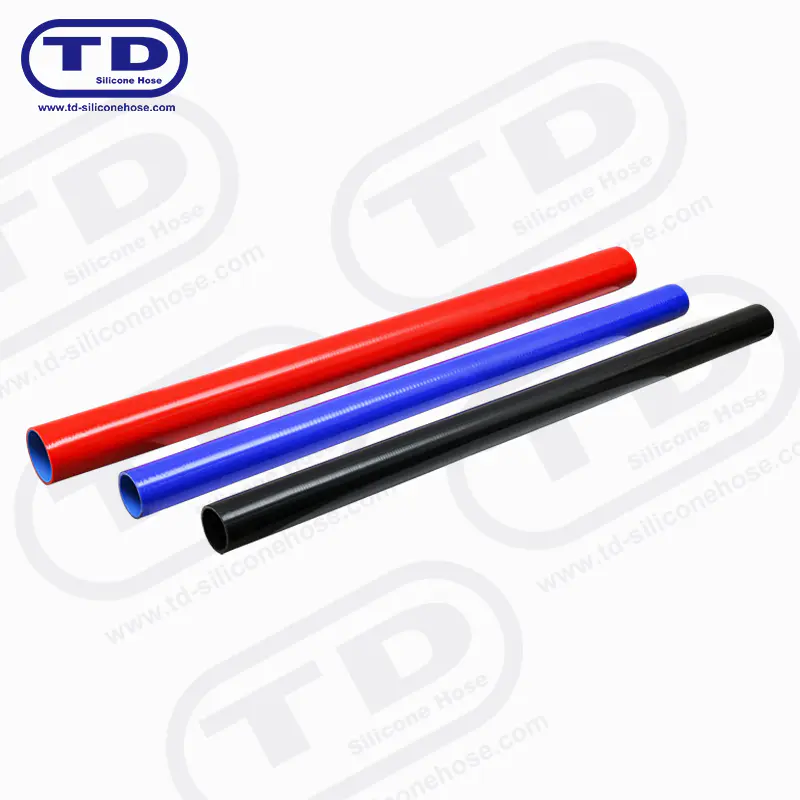
- Straight hose: The most basic form, used for direct connections between two ports on the same axis. Available in lengths from 50mm to 1,000mm and internal diameters from 3mm to 200mm.
- Elbow hoses (45°, 90°, 135°, 180°): Pre-formed bends for routing around obstructions without the flow restriction that would result from crimping a straight hose. 90° elbows are the most common in automotive coolant systems.
- Reducer hoses: Tapered hose joining two ports of different diameters. Used in intake systems and coolant circuits where pipe sizes change between components.
- Corrugated / bellows hose: A flexible, accordion-walled silicone hose for applications requiring high flexibility or axial compression—commonly used in turbo intake systems, industrial ducting, and exhaust connections.
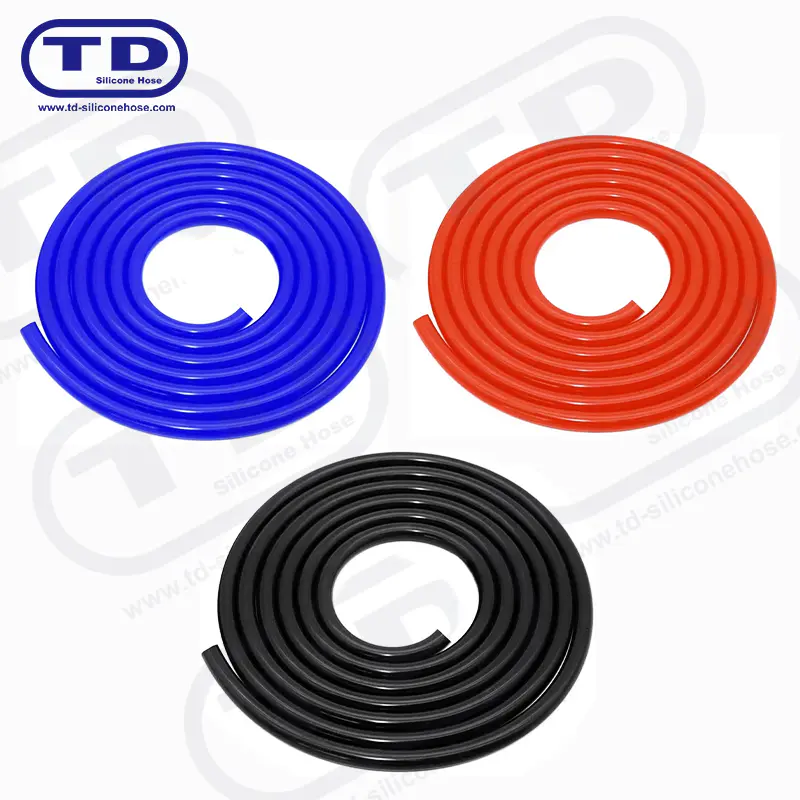
- Reinforced vs. non-reinforced: Pressure-carrying applications require polyester or aramid fabric-reinforced wall construction (rated to 150–250 psi depending on diameter and ply count). Non-reinforced silicone tubing is used for low-pressure medical, laboratory, and peristaltic pump applications.
When Not to Use Silicone Hose
Despite its broad performance profile, silicone hose has specific limitations that make it unsuitable for certain applications. Understanding these prevents misapplication and premature failure.
- Fuel and oil transfer: Silicone swells and degrades when exposed to petroleum-based fuels, mineral oils, and most hydrocarbons. For fuel lines, fluorosilicone or fluoropolymer hose must be used instead.
- Concentrated solvents: Ketones (acetone, MEK), aromatic solvents (toluene, xylene), and halogenated solvents cause significant silicone swelling and property loss. PTFE-lined hose is the correct choice for these media.
- High-pressure hydraulic lines: Standard silicone hose is not rated for the 1,500–5,000 psi pressures used in hydraulic systems. Steel-reinforced hydraulic hose (SAE 100R-series) must be used for hydraulic circuits.
- Steam above 180°C continuous service: While silicone tolerates steam sterilization cycles at 121°C–134°C, continuous exposure to high-pressure steam above 180°C causes accelerated degradation. PTFE or stainless braided hose is preferred for continuous high-pressure steam service.
Our Product //
Ningbo Tiandai Auto Parts Co., Ltd. All Rights Reserved. ALL RESERVED.
Wholesale Automotive Silicone Hose Manufacturers
